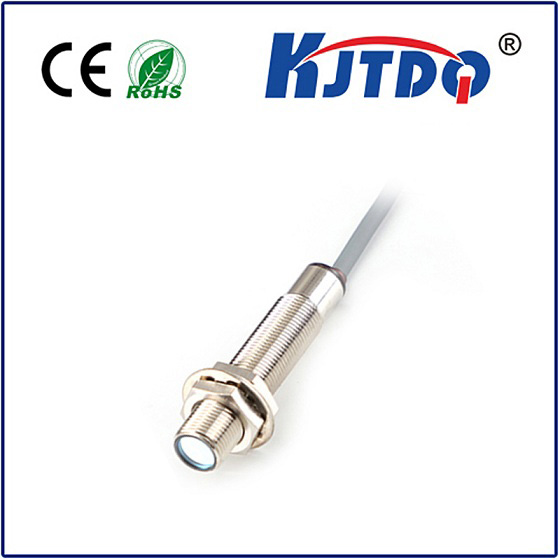
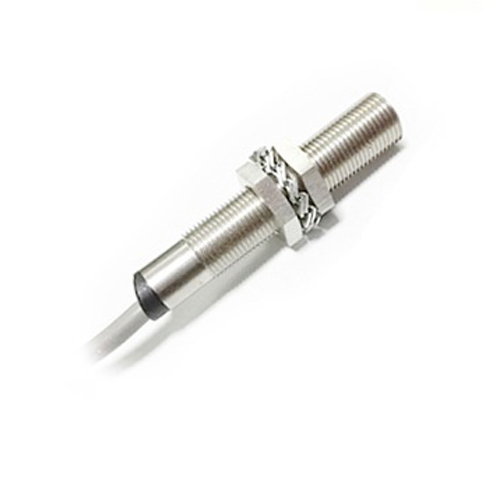
In the complex and often unforgiving world of industrial automation, the reliability of every single component is paramount. System failures can lead to catastrophic downtime, safety hazards, and significant financial loss. At the heart of many critical control and monitoring systems lies a component whose performance is non-negotiable: the proximity sensor. When operating under extreme conditions, particularly where high pressure is a constant factor, a standard sensor simply will not suffice. This is where specialized engineering makes the difference. The BES 516-300-S289-BO-D-PU-05 High Pressure Proximity Sensor stands as a prime example of this specialized engineering, designed to deliver unwavering performance where others fail.
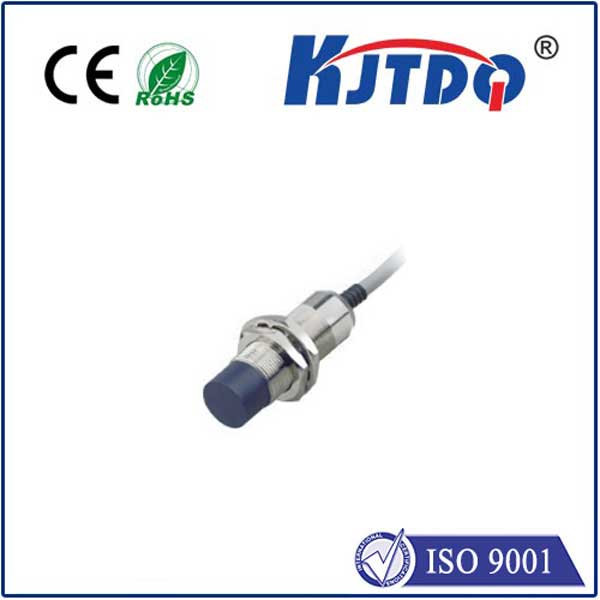
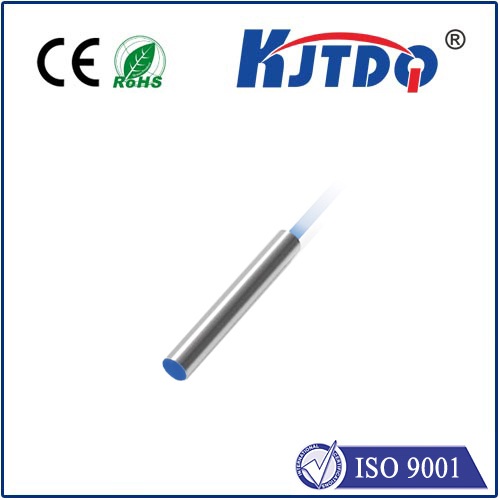
The defining challenge in high-pressure environments, such as those found in hydraulic systems, heavy-duty press applications, offshore platforms, or deep-sea equipment, is the immense stress exerted on sensor housings and sensing faces. Standard inductive proximity sensors can suffer from housing deformation, seal failure, or even implosion under such forces. The BES 516-300-S289-BO-D-PU-05 is engineered from the ground up to withstand these pressures. Its robust stainless-steel housing is not merely durable; it is specifically rated and tested to maintain its structural integrity and sealing performance under continuous high-pressure exposure. This ensures that the internal electronics, the heart of the sensing mechanism, remain completely isolated from the external environment, guaranteeing long-term functionality and preventing fluid ingress that could lead to short circuits or corrosion.
Beyond its formidable pressure resistance, the model's specifications reveal a device built for precision and integration. The "BO" designation typically indicates a Normally Open (NO) switching function, a common and versatile configuration for control logic. The "D" often refers to a DC (Direct Current) operating voltage, compatible with most modern industrial control systems (PLCs). The "PU" is a critical feature, signifying a PNP output type. A PNP sensor, often described as "sourcing," switches the positive voltage to the load, which is the preferred and most widely used output type in many global markets and PLC architectures. This simplifies wiring, reduces compatibility issues, and streamlines the design of control cabinets.
The "05" in the part number frequently correlates with a specific sensing distance, in this case, 5mm. This short-range, precise detection is ideal for applications requiring accurate positioning or detection of small objects in tight spaces under high pressure, such as verifying the end position of a hydraulic piston rod or confirming the presence of a valve actuator. The sensor's immunity to environmental factors like oil, coolants, and metallic dust—a hallmark of quality inductive sensing technology—is further enhanced by its high-pressure design, making it a reliable choice for dirty, wet, and forceful applications.
Installation and maintenance are also key considerations. The device's design likely incorporates standard mounting threads, allowing for easy integration into existing machine frames or hydraulic manifolds. Its longevity under stress translates directly into reduced maintenance intervals and lower total cost of ownership. Operators can have confidence in its continuous operation, minimizing the need for disruptive and costly sensor replacements in hard-to-reach or system-critical locations.
In practical terms, envision this sensor on a massive hydraulic forging press. It is tasked with confirming that the press ram has fully retracted before the automated system feeds the next metal billet. The environment is hot, filled with vibration, and the hydraulic lines operate at several hundred bar. A standard sensor might last weeks; a failure could cause a collision, damaging the press and the feed mechanism. The BES 516-300-S289-BO-D-PU-05, with its high-pressure rating and robust construction, operates cycle after cycle, month after month, providing the essential and reliable signal that keeps the process safe and efficient.
Selecting the correct sensor is not just a matter of functionality; it is a strategic decision impacting safety, productivity, and operational cost. For engineers and system integrators facing the challenges of high-pressure applications, the BES 516-300-S289-BO-D-PU-05 High Pressure Proximity Sensor represents a targeted solution. It embodies the principle that in extreme conditions, specialized equipment is not an luxury but a necessity. By providing a dependable detection signal against a backdrop of immense physical force, this sensor helps build more resilient, reliable, and high-performing industrial automation systems.