In the world of industrial automation and process control, the ability to detect objects or monitor conditions in high-pressure environments is not just a convenience—it's a critical necessity for safety, efficiency, and operational continuity. This is where specialized components like the NW1815AE65N1 High Pressure Proximity Sensor come into play, offering a robust solution engineered to perform where standard sensors would fail. This guide delves into the core features, applications, and technical advantages of this specific sensor model, providing essential insights for engineers and procurement specialists.
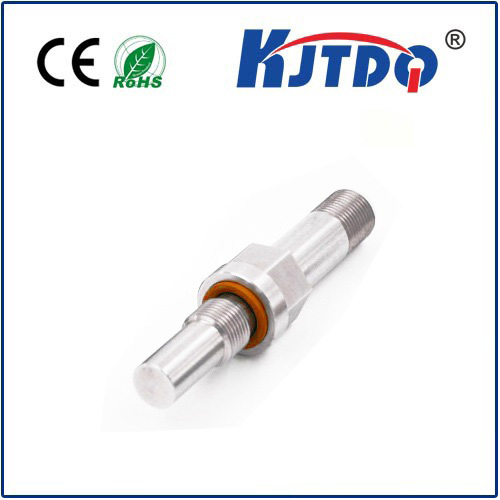
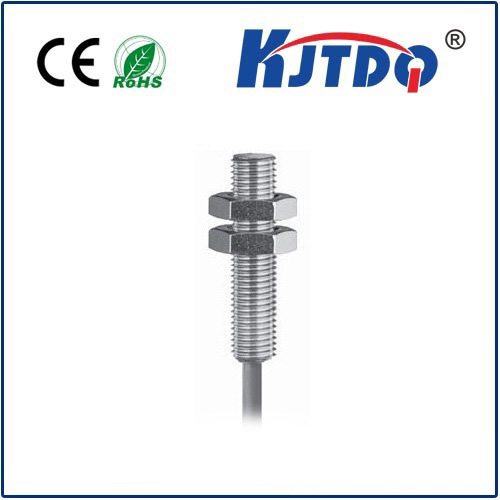
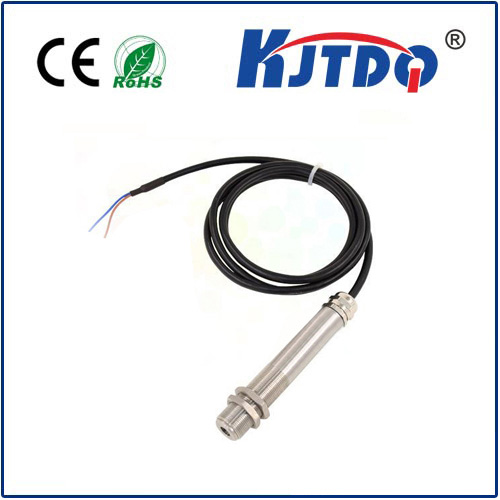
The NW1815AE65N1 is fundamentally an inductive proximity sensor designed to withstand exceptionally high external pressure. Unlike conventional sensors that might deform or malfunction under intense compressive forces, this model is built with a reinforced housing and internal structure. The primary mechanism involves generating an electromagnetic field. When a metallic target object enters this field, eddy currents are induced, causing a change in the sensor's internal oscillation. This change is detected and converted into a clean, switch-like output signal. The "High Pressure" designation specifically refers to its capability to operate reliably when subjected to significant ambient pressure from hydraulic systems, deep-sea applications, or high-pressure vessel monitoring, without compromising its sensing performance or structural integrity.
Key technical specifications define its suitability for harsh duties. Typically, these sensors feature a high IP (Ingress Protection) rating, such as IP67 or IP69K, ensuring complete resistance to dust ingress and high-pressure water jets. The sensing range is precise and stable, often optimized for short distances with high repeat accuracy. The housing is frequently constructed from corrosion-resistant materials like stainless steel (e.g., V4A/AISI 316L) to endure aggressive media. Electrical outputs are commonly available in PNP or NPN configurations, compatible with standard programmable logic controllers (PLCs). The standout parameter is its rated pressure resistance, which can often reach several hundred bar, making it a specialist component for extreme conditions.
The application spectrum for the NW1815AE65N1 is vast and critical. In hydraulic and pneumatic systems, it is deployed to monitor piston positions in cylinders, detect the presence of tools or parts within presses, or confirm valve states, all within oil-filled, high-pressure environments. The offshore and marine industry utilizes these sensors for subsea equipment, remotely operated vehicle (ROV) functions, and drilling rig instrumentation where deep-water pressure is a constant factor. Furthermore, they are indispensable in heavy machinery, such as injection molding machines and die-casting equipment, where they provide reliable feedback despite exposure to high mechanical forces and thermal fluctuations. Their reliability directly impacts preventive maintenance schedules and helps avoid costly unplanned downtime.
Selecting the right high-pressure sensor involves several considerations beyond just the pressure rating. Engineers must evaluate the required sensing distance, the target material (ferrous or non-ferrous metals), the operating temperature range, and the electrical interface needed for their control system. The installation environment is paramount; factors like potential chemical exposure, vibration levels, and required cable or connector type must be assessed. The NW1815AE65N1 model is designed to meet these rigorous demands, offering a blend of durability and precision. Its design often includes features like potted electronics to resist shock and vibration, and high-quality seals to maintain integrity under pressure cycling.
When compared to standard inductive proximity sensors or alternative technologies like capacitive or ultrasonic sensors, the NW1815AE65N1's value proposition is clear. While standard sensors offer cost-effectiveness for benign environments, they are not suited for high-pressure scenarios. Ultrasonic sensors might be non-contact for various materials but can be affected by temperature and pressure changes in the medium. The high-pressure inductive sensor provides a reliable, contactless switching solution specifically hardened against physical pressure, ensuring long-term stability and signal consistency in applications where failure is not an option. Its deployment enhances system safety by providing accurate data for control loops and safety interlocks.
For maintenance and optimal performance, proper installation is crucial. The sensor should be mounted securely to minimize stress on the housing. It is vital to ensure that the pressure rating is not exceeded and that any pressure surges in the system are within the sensor's specified tolerance. Regular checks for physical damage, seal integrity, and signal stability are recommended as part of a routine maintenance protocol. By following the manufacturer's guidelines for installation and operation, the service life of the sensor is maximized, protecting the investment and ensuring continuous operational reliability.
In conclusion, the NW1815AE65N1 High Pressure Proximity Sensor represents a focused engineering solution for challenging industrial applications. Its ability to deliver precise, non-contact detection under extreme pressure conditions makes it a cornerstone technology for advanced automation systems in demanding sectors. For projects requiring unwavering reliability where pressure is a defining environmental factor, specifying a purpose-built sensor like this is a decisive step toward building a resilient and efficient operation.