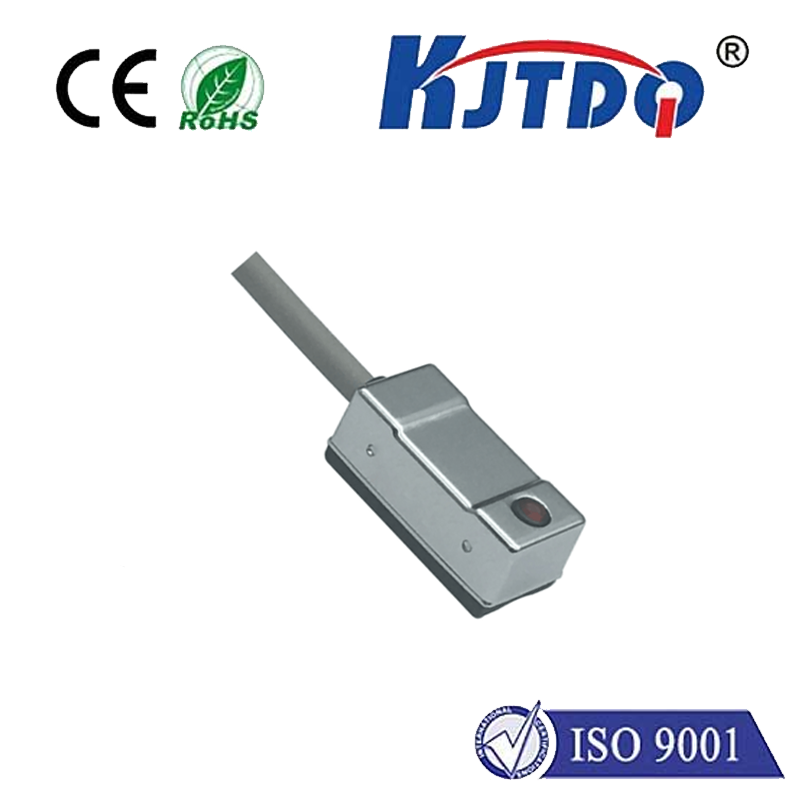
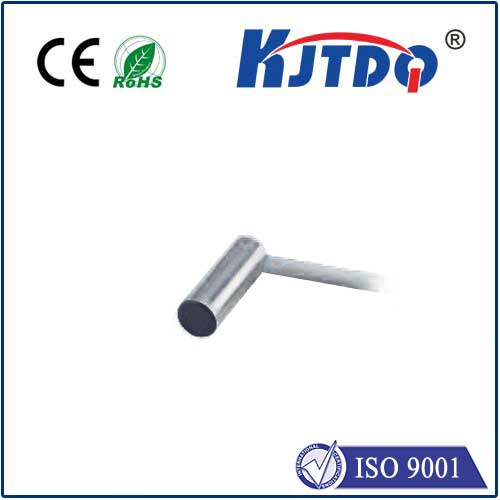
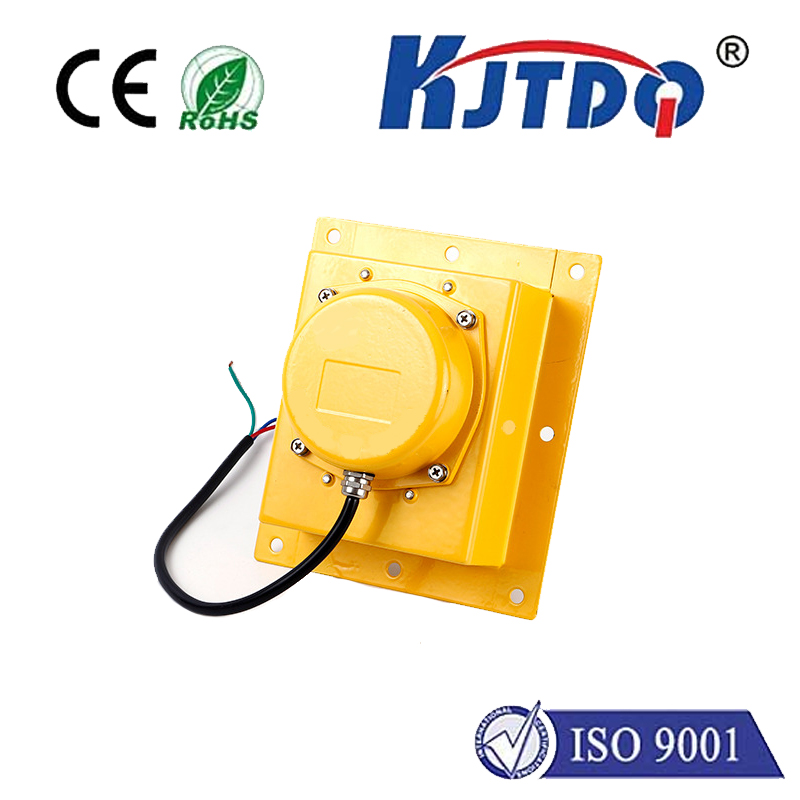
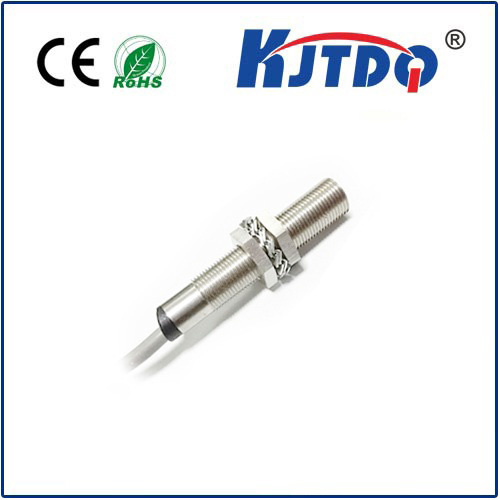
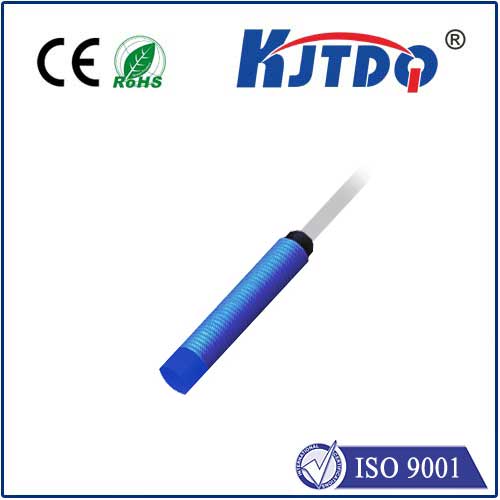
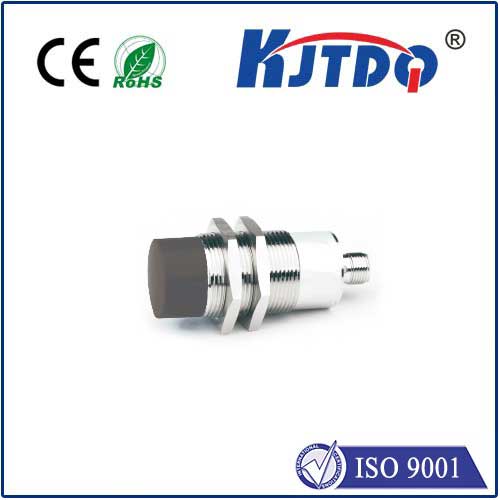
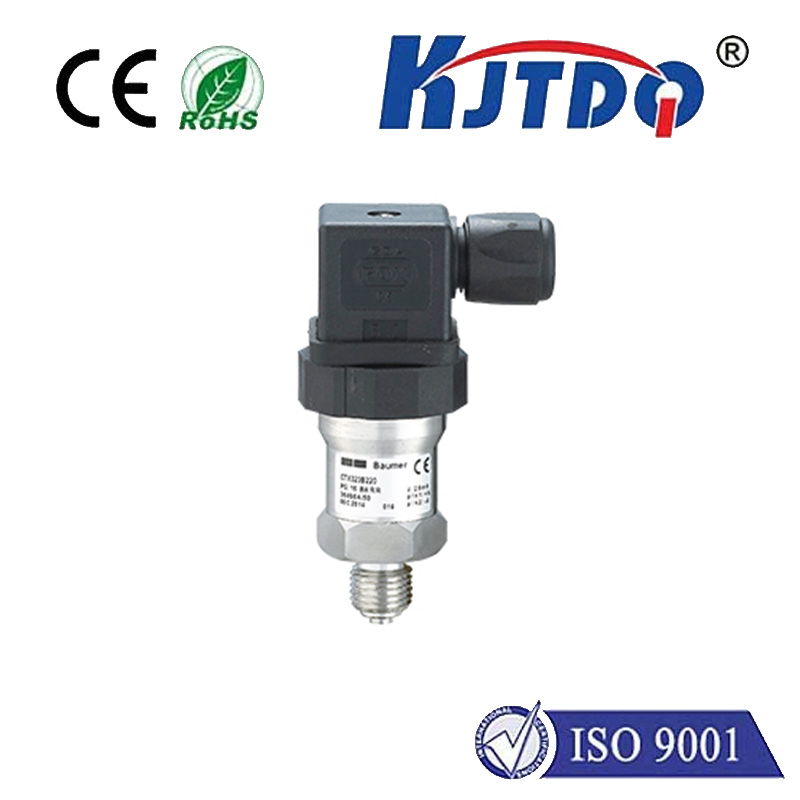
In the demanding world of industrial automation and heavy machinery, the reliability of every component is paramount. Among the critical elements ensuring seamless operation and safety are proximity sensors, especially those designed to withstand extreme environments. The DW-AD-503-P12-625 High Pressure proximity sensor stands out as a robust solution engineered for precision and durability under high-pressure conditions. This guide delves into its core features, operational principles, and the significant advantages it brings to complex industrial setups.
At its heart, the DW-AD-503-P12-625 is a non-contact sensing device. It detects the presence or absence of metallic objects without any physical interaction, a principle crucial for minimizing wear and tear. Utilizing a high-frequency oscillation circuit, the sensor generates an electromagnetic field. When a metallic target enters this predefined sensing range, it induces eddy currents, causing a change in the oscillation amplitude. This change is meticulously detected by the sensor's circuitry, triggering a solid-state output signal. This entire process occurs with remarkable speed and consistency, making it ideal for high-cycle applications.
What truly sets the DW-AD-503-P12-625 apart is its specialized construction for high-pressure environments. The designation "P12-625" often correlates with specific pressure ratings and thread specifications, indicating its capability to perform reliably in hydraulic systems, die-casting machines, or within pressurized vessel monitoring. The housing is typically crafted from high-grade stainless steel, offering exceptional resistance to corrosion, mechanical stress, and fluid ingress. This robust build ensures the sensor's integrity is maintained even when exposed to oils, coolants, and intense vibrations common in manufacturing plants.
The operational benefits of integrating this sensor are substantial. First and foremost is enhanced system reliability. By providing accurate, real-time detection of piston position, valve status, or component presence in pressurized lines, it prevents machine jams, misalignments, and potential safety hazards. This accuracy directly translates to reduced downtime and lower maintenance costs. Furthermore, its non-contact nature eliminates problems associated with mechanical limit switches, such as physical degradation and false triggers. The long operational life and stable performance under fluctuating pressures contribute to a significant return on investment.
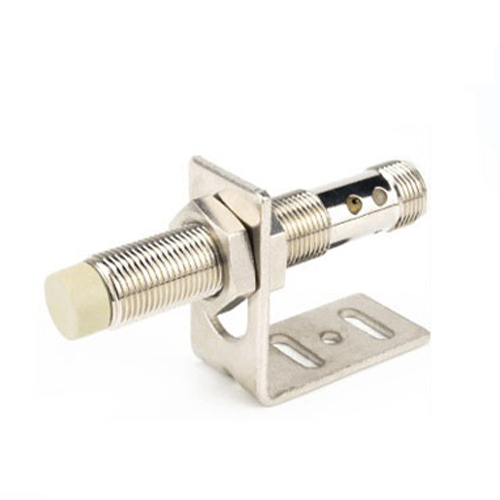
Installation and integration of the DW-AD-503-P12-625 are designed with the technician in mind. Its compact, cylindrical form factor and standard P12 thread allow for straightforward mounting into existing ports or fixtures. Many models feature LED status indicators for easy diagnostics and offer various output configurations (like NPN or PNP) to seamlessly interface with Programmable Logic Controllers (PLCs) and other control systems. Proper installation involves ensuring the correct sensing distance, aligning the sensor face appropriately, and verifying the electrical connections are secure and shielded from interference.
When selecting a sensor for high-pressure applications, the DW-AD-503-P12-625 addresses key considerations. Its rated pressure tolerance aligns with stringent industrial requirements, ensuring signal stability is not compromised. The temperature range is suitable for both hot and cold operational environments. Compatibility with various hydraulic fluids and industrial lubricants is a critical factor, and this sensor's materials are chosen to meet these challenges. For engineers and procurement specialists, specifying this model means opting for a component that reduces system vulnerability and enhances overall operational predictability.
In conclusion, the DW-AD-503-P12-625 High Pressure proximity sensor represents a fusion of precision engineering and rugged design. It is more than just a switch; it is a vital sentinel in systems where pressure is a constant factor. By delivering unwavering detection performance, it safeguards equipment, optimizes production processes, and supports the relentless pace of modern industry. For applications ranging from plastic injection molding and metal stamping to offshore equipment and automated assembly lines, this sensor provides the dependable performance that engineers trust to keep their operations running smoothly and efficiently.