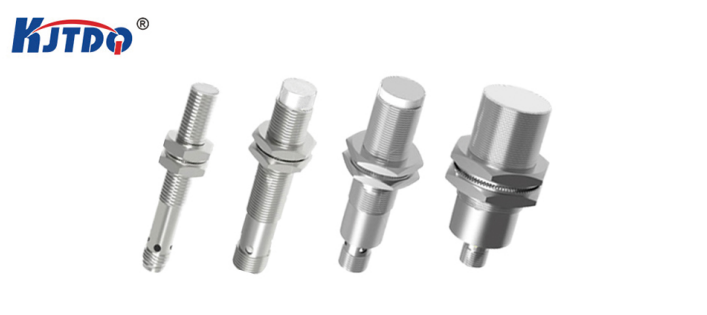
In the demanding world of industrial automation and process control, the margin for error is razor-thin. Equipment failure or inaccurate readings can lead to catastrophic downtime, safety hazards, and significant financial loss. This is where the precision and robustness of high-pressure proximity sensors become non-negotiable. Among the leading solutions engineered to meet these extreme demands are the BHS001F, 002J, and 004P series of high-pressure proximity sensors. These devices represent a pinnacle of sensing technology, designed to deliver unwavering reliability in environments where pressure, temperature, and contamination are constant challenges.
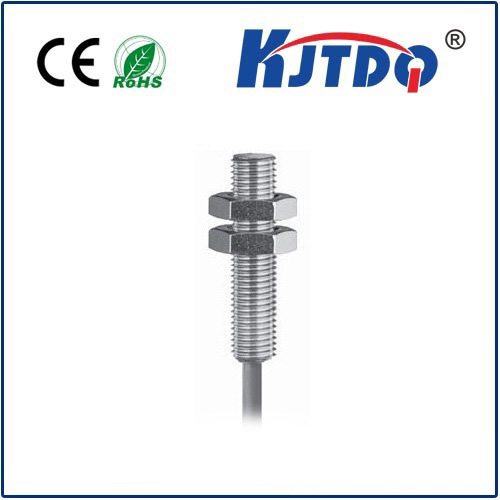
Unlike standard inductive or capacitive sensors, the BHS001F, 002J, and 004P series are specifically built to operate flawlessly in high-pressure hydraulic and pneumatic systems. Imagine a hydraulic press, a heavy-duty injection molding machine, or deep-sea drilling equipment. These environments subject components to immense forces and fluctuating pressures that would compromise ordinary sensors. The core technology within these sensors involves a hermetically sealed sensing element and a ruggedized housing, often constructed from high-grade stainless steel like 316L. This construction ensures that the internal electronics are completely isolated from the external high-pressure medium, whether it's oil, water, or compressed air. The result is a sensor that provides accurate, repeatable detection of metallic target presence without its performance being affected by the surrounding pressure, which can range from hundreds to thousands of PSI.
Each model in the series is tailored for specific application nuances. The BHS001F is renowned for its all-around performance in dynamic hydraulic systems, offering excellent resistance to pressure peaks and fluid-borne contaminants. The 002J variant often features enhanced temperature stability, making it ideal for processes involving thermal cycles, such as in die-casting or engine test stands. The 004P model is frequently designed with a particularly compact form factor or specialized electrical connection for space-constrained installations within complex machinery manifolds. Despite their differences, they share common critical features: high switching frequency for fast-moving components, exceptional repeat accuracy for quality control processes, and robust ingress protection ratings (typically IP67, IP69K) that guarantee functionality despite exposure to washdowns, dust, and vibrations.
The practical benefits of integrating these high-pressure proximity sensors into an industrial setup are profound. First and foremost is predictive maintenance. By reliably monitoring the position of pistons, valves, or actuators within high-pressure systems, these sensors provide vital data that can signal wear or impending failure before it occurs, preventing unplanned stoppages. Secondly, they enhance system safety. Accurate detection of cylinder end positions or valve states is crucial for interlock and safety circuit functionality, protecting both machinery and personnel. Finally, they contribute directly to product quality and process efficiency. Consistent and precise sensing ensures that machine cycles are completed correctly every time, reducing waste and optimizing throughput.
Selecting the right sensor from the BHS001F, 002J, or 004P lineup requires careful consideration of your specific operating parameters. Key factors include the maximum operating pressure of your system, the required sensing distance, the type of metal for the target, the ambient temperature range, and the necessary electrical output (e.g., PNP/NPN, analog, or IO-Link). Consulting with a technical specialist or thoroughly reviewing the manufacturer's datasheets is essential to match the sensor's specifications with the application's harsh realities. Proper installation is equally critical; ensuring correct mounting, secure electrical connections, and protection from mechanical damage will maximize the sensor's operational lifespan, which can extend for millions of reliable cycles.
In conclusion, for engineers and maintenance professionals tasked with maintaining uptime in high-pressure industrial environments, sensors like the BHS001F, 002J, and 004P are not merely components but foundational pillars of reliability. They transform unpredictable, harsh conditions into controlled, measurable, and efficient processes. By investing in such specialized high-pressure proximity sensing technology, industries from manufacturing and oil & gas to marine and heavy machinery can achieve new levels of operational resilience, safety, and productivity, securing a significant return on investment through uninterrupted performance.