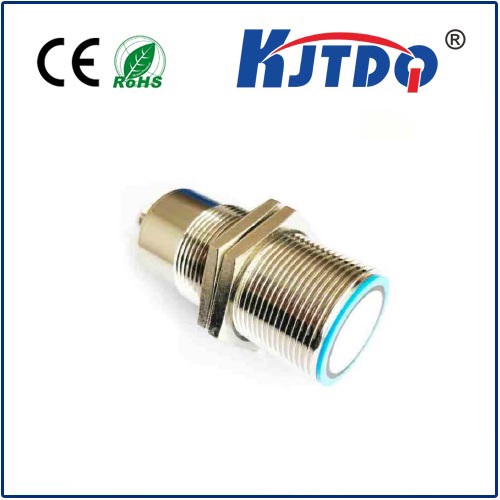
In the world of industrial automation and process control, reliability is not a luxury—it's a necessity. Equipment must perform flawlessly under extreme conditions, from high temperatures and corrosive environments to intense vibration and, critically, elevated pressure. This is where specialized components like the BES 516-300-S240-D-PU-05 (also known by the identifier BHS002J) come into play. This high-pressure proximity sensor is engineered to deliver precise, non-contact detection in scenarios where standard sensors would fail.
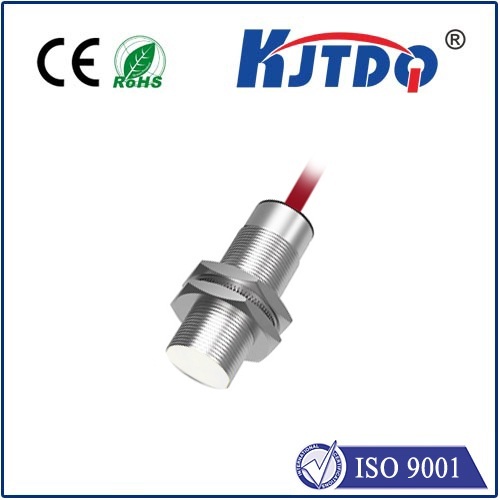
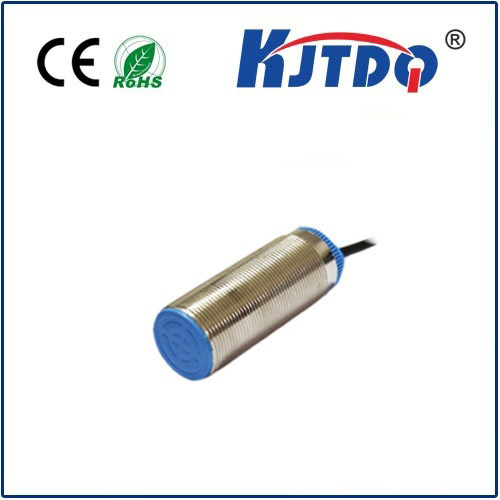
The core function of the BES 516-300-S240-D-PU-05 is to detect the presence or absence of a metallic target without any physical contact. Utilizing an inductive sensing principle, it generates an electromagnetic field. When a ferrous or non-ferrous metal object enters this field, it causes a change that the sensor's electronics detect, triggering a switching signal. What sets this particular model apart is its robust design specifically hardened for high-pressure environments. The "-PU-" in its part number signifies a polyurethane cable, known for its excellent resistance to oils, chemicals, and mechanical stress, while the housing and sensing face are constructed to withstand significant external pressure without compromising integrity or performance.
Typical applications for this sensor are found in heavy industries. Imagine hydraulic press monitoring, where fluid pressures can reach hundreds of bars. A standard sensor's housing might deform or leak, leading to catastrophic failure. The BES 516-300-S240-D-PU-05 is built to resist this. It is equally vital in offshore oil and gas equipment, subsea systems, high-pressure die-casting machines, and valve position feedback in high-pressure piping. In these settings, the sensor provides critical data for machine control, safety interlocks, and process verification, ensuring that operations continue smoothly and safely.
Installation and integration are straightforward due to its standardized M30 housing. The 300mm pre-wired cable with polyurethane jacket offers flexibility for routing in tight control cabinets and harsh environments. Its DC 3-wire design (NPN or PNP output versions are typically available) ensures compatibility with most programmable logic controllers (PLCs) and industrial control systems. Maintenance is minimal, a key advantage of non-contact technology. There are no moving parts to wear out, and the sealed design protects the internal electronics from dust, moisture, and spray, contributing to a long service life even in the most challenging conditions.
Selecting the right sensor for a high-pressure application involves several considerations. The BES 516-300-S240-D-PU-05 addresses these directly. First is the pressure rating, which should exceed the maximum operating pressure of the system with a safety margin. Second is the sensing distance; this model offers a precise switching point, ensuring reliable detection even if mounting positions vary slightly. Third is material compatibility; the stainless-steel sensing face and polyurethane cable are selected for corrosion resistance. Finally, temperature range is crucial, as high-pressure processes often involve elevated temperatures. This sensor is specified to operate reliably across a broad industrial temperature spectrum.
For engineers and maintenance professionals, the value proposition is clear: reduced downtime. Sensor failure in a critical high-pressure loop can halt an entire production line, leading to significant financial loss. By deploying a purpose-built sensor like the BES 516-300-S240-D-PU-05, facilities invest in predictability and resilience. It eliminates a common point of failure, enhances system safety by providing dependable feedback, and ultimately protects both capital equipment and personnel. When specifying components for systems operating under duress, choosing a sensor designed for the environment is not just a technical detail—it's a fundamental decision for operational excellence.