Проверка
Проверка
Проверка
Проверка
Проверка
Проверка
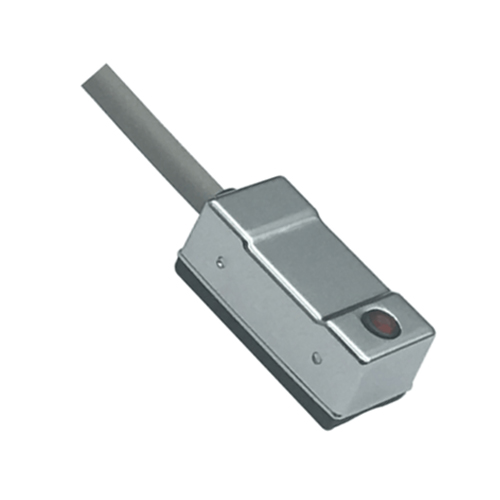
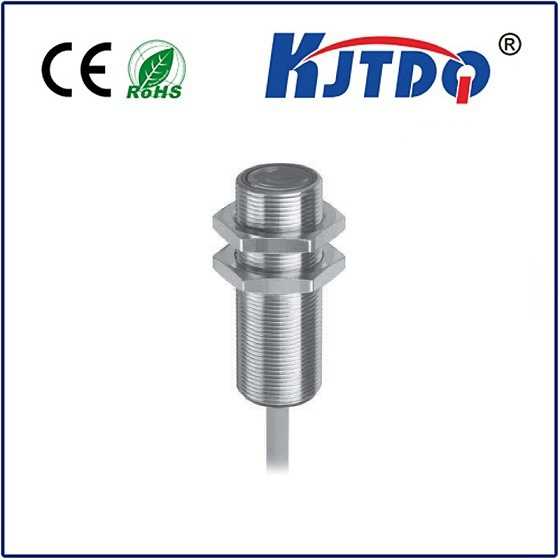
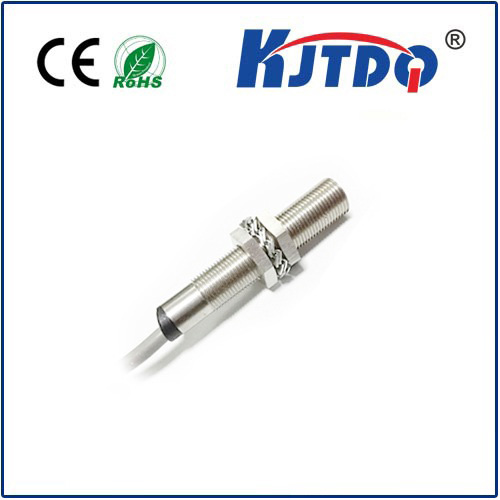
In the demanding world of industrial automation, reliability is not just a feature—it's a necessity. The IR5037 High Pressure Proximity Sensor stands as a testament to engineering excellence, designed to deliver unparalleled performance in the most challenging environments. This sensor is not merely a component; it is a critical asset for systems requiring precise, non-contact detection under extreme pressure conditions.
Traditional sensing solutions often falter when subjected to high-pressure washdowns, hydraulic system surges, or the intense conditions found in heavy machinery, oil and gas exploration, and high-pressure manufacturing processes. The IR5037 is engineered from the ground up to conquer these challenges. Its robust housing is constructed from high-grade stainless steel, providing exceptional resistance to corrosion and mechanical stress. This durability ensures long-term operational integrity, significantly reducing downtime and maintenance costs associated with sensor failure.
The core technology of the IR5037 utilizes an advanced inductive sensing principle, optimized for high-pressure immunity. Unlike standard sensors whose sensing fields can be distorted or whose electronics can be compromised by pressure fluctuations, the IR5037 maintains a stable and accurate switching point. This consistency is crucial for applications such as monitoring piston position in hydraulic cylinders, detecting metal targets in pressurized molding equipment, or ensuring safety interlocks on high-pressure vessel doors. The sensor's design effectively shields its internal circuitry from electromagnetic interference (EMI) commonly present in industrial settings, further enhancing its reliability.
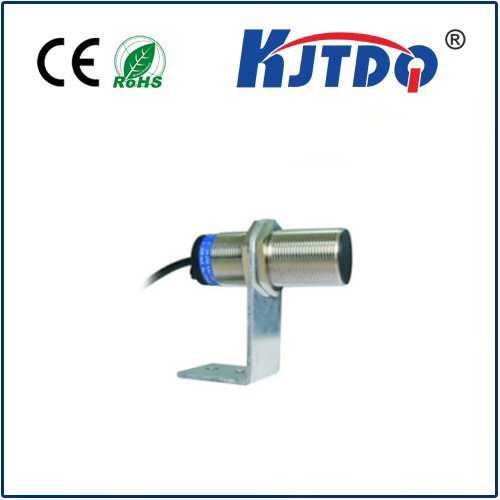
A key advantage of the IR5037 is its versatile output configuration. Available in both PNP (sourcing) and NPN (sinking) versions, it seamlessly integrates with a wide array of Programmable Logic Controllers (PLCs) and control systems from major manufacturers worldwide. The choice between short-circuit, overload, and reverse polarity protection models allows engineers to select the exact specification needed for their application's safety and electrical requirements. Installation is streamlined with standard M12 or M18 threaded barrels, and various cable or connector options offer flexibility for different cabinet and machine layouts.
Beyond its technical specifications, the real-world benefits of deploying the IR5037 are substantial. In food and beverage processing, where high-pressure, high-temperature cleaning is routine, this sensor ensures continuous line operation without sensitivity loss. In metal stamping and forging, it provides reliable detection despite the presence of conductive contaminants like scale and coolant under pressure. For mobile hydraulic equipment in construction and agriculture, its ability to withstand pressure spikes and vibration translates to fewer false signals and improved system control.
Selecting the right sensor involves considering several factors: the specific pressure range, the target material (ferrous or non-ferrous metals), the required sensing distance, and the environmental class (IP rating). The IR5037 series offers a range of models to meet these diverse needs, with sensing distances optimized for high-pressure scenarios. Consulting with a technical specialist is recommended to match the sensor's capabilities precisely to the application's demands, ensuring optimal performance and longevity.
Ultimately, the IR5037 High Pressure Proximity Sensor represents a strategic investment in operational resilience. It moves beyond basic functionality to provide a layer of assurance that critical automated processes will run smoothly, safely, and efficiently. By eliminating a common point of failure in harsh industrial loops, it empowers engineers and plant managers to focus on productivity and innovation, confident that their sensing technology is built to endure. This sensor is the definitive choice for industries where pressure is a constant, and failure is not an option.