Проверка
Проверка
Проверка
Проверка
Проверка
Проверка
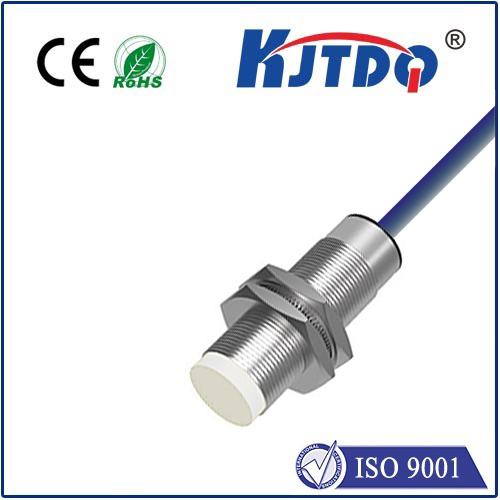
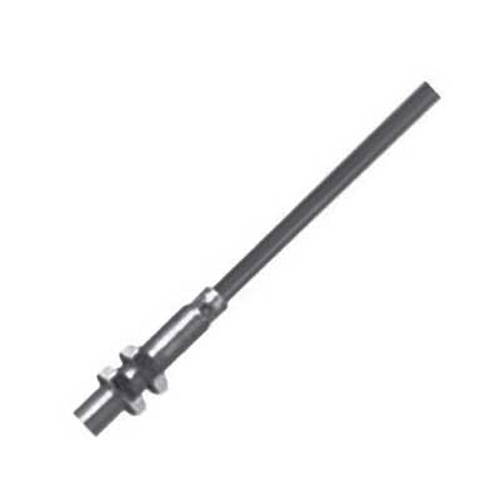
In the world of industrial automation and process control, the reliability of individual components directly impacts overall system uptime, safety, and efficiency. Among these critical components, proximity sensors play a pivotal role in non-contact detection and position monitoring. For environments where high pressure is a constant factor, a standard sensor simply won't suffice. This is where specialized solutions like the IFFM 08P17A6/LS High Pressure Proximity Sensor come into play, engineered to deliver unwavering performance under extreme conditions.
The IFFM 08P17A6/LS is designed specifically for applications involving high-pressure media, such as hydraulic systems, injection molding machines, die-casting equipment, and heavy-duty press lines. Its robust construction is the first line of defense. The sensor housing is typically crafted from high-grade stainless steel, providing exceptional resistance to mechanical stress, vibration, and corrosion. This durability ensures a long operational lifespan even in harsh workshop or factory environments where exposure to coolants, oils, and metallic particles is common.
A key feature of this sensor is its ability to maintain accurate detection despite the presence of high pressure on its sensing face. Standard inductive proximity sensors can experience signal drift or even physical damage when subjected to significant pressure from fluids or compressed media. The IFFM 08P17A6/LS model incorporates a reinforced and pressure-balanced design that isolates the sensitive electronic components from these forces. This design guarantees stable switching points and reliable output signals, whether the target is present or absent, preventing false triggers that could lead to machine malfunctions or production errors.
The "LS" designation often refers to a particular sealing standard or housing style, indicating enhanced leak-proof integrity. This is achieved through advanced sealing technologies and thread designs that prevent the ingress of high-pressure media into the sensor's internal chamber. Such protection is crucial not only for the sensor's functionality but also for maintaining the cleanliness and safety of the entire system, preventing contamination of hydraulic fluid or other process media.
Installation and integration of the IFFM 08P17A6/LS are streamlined for industrial use. It commonly features a standard M8 or M12 threaded barrel, allowing for easy mounting in standard fixture holes. The electrical connection is typically via a pre-wired cable or a quick-disconnect connector, facilitating straightforward wiring and maintenance. Compatibility with common PLC (Programmable Logic Controller) input modules is standard, supporting both PNP (sourcing) or NPN (sinking) output configurations to fit various control system architectures.
Operational performance metrics are impressive. The sensor offers a precise sensing range tailored for its high-pressure role, with high repeat accuracy to ensure consistent detection cycle after cycle. It boasts a high switching frequency, enabling it to keep pace with fast-moving machinery. Furthermore, it is designed to be immune to electromagnetic interference (EMI) commonly generated by surrounding motors and drives, ensuring signal integrity is never compromised.
From a maintenance perspective, the IFFM 08P17A6/LS sensor reduces total cost of ownership. Its rugged build minimizes failures and the need for frequent replacements. The consistent performance leads to fewer unplanned production stoppages, higher product quality through precise positioning, and enhanced safety by reliably confirming the position of machine parts under high load. For engineers and plant managers, selecting this sensor translates into greater process reliability and reduced downtime.
In conclusion, the IFFM 08P17A6/LS High Pressure Proximity Sensor is not just another component; it is a specialized tool for a challenging job. It addresses the specific pain points encountered in high-pressure industrial applications by combining robust construction, pressure-resistant design, and reliable sensing technology. For industries where pressure is a defining parameter of the process, investing in such purpose-built sensors is a strategic decision that safeguards productivity, ensures safety, and protects valuable capital equipment.