Проверка
Проверка
Проверка
Проверка
Проверка
Проверка
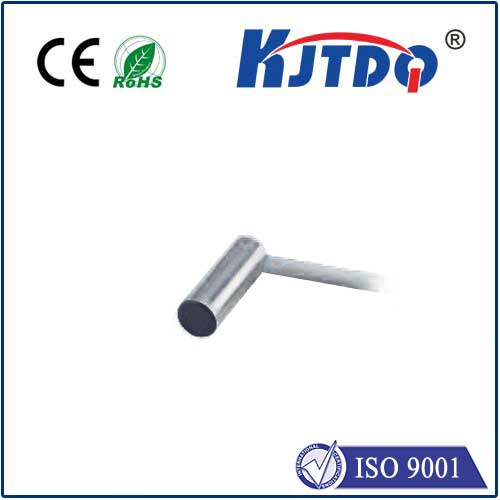
In the world of industrial automation and process control, the margin for error is razor-thin. Equipment must perform flawlessly under extreme pressure, both literally and figuratively. This is where specialized components like the DW-AD-501-P12 High Pressure Proximity Sensor step into the spotlight, offering a critical solution for applications where standard sensors would falter. This guide delves into the core features, operational principles, and ideal use cases for this robust sensing device, providing a clear understanding of its role in modern industry.
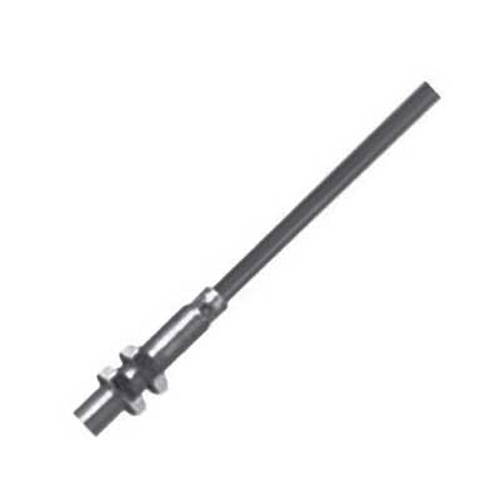
At its heart, the DW-AD-501-P12 is an inductive proximity sensor engineered to withstand exceptionally high-pressure environments. Unlike conventional sensors that might deform or fail under such stress, this model is built with a reinforced housing and a specially designed sensing face. The "P12" designation typically indicates its capability to operate reliably under pressures that would compromise lesser units, often in the range of several hundred bar. This intrinsic durability is non-negotiable in sectors like hydraulic systems, high-pressure die-casting, oil and gas exploration, and heavy-duty press machinery. The sensor's primary function remains precise, non-contact detection of metallic objects, but it executes this task where ambient pressure is a dominant, challenging factor.
The operational principle leverages electromagnetic induction. The sensor generates an oscillating electromagnetic field from its active face. When a metallic target enters this field, eddy currents are induced within the target, causing a change in the oscillation amplitude within the sensor. An internal circuit detects this change and triggers a solid-state switching signal. The brilliance of the DW-AD-501-P12 lies in its design integrity, which ensures this process remains stable and accurate even when the surrounding medium—be it oil, coolant, or air—is under immense pressure. This consistent performance prevents false triggers and missed detections, which are common failure points in harsh conditions.
Key technical specifications make this sensor a preferred choice for engineers. It typically features a defined sensing range, optimized for close-proximity detection in cramped, high-pressure zones. The housing is constructed from high-grade stainless steel or similarly robust materials, offering excellent resistance to corrosion, mechanical impact, and pressure-induced stress. Electrical output is usually in a standard format like PNP or NPN, ensuring easy integration into existing programmable logic controller (PLC) systems. Furthermore, many variants come with ingress protection ratings like IP67 or IP69K, safeguarding against dust and high-pressure water jets, making them suitable for wash-down environments in food and beverage or chemical processing.
The practical applications of the DW-AD-501-P12 are vast and critical. In hydraulic power units, it monitors piston position within cylinders operating at extreme pressures, providing essential feedback for control loops. Within injection molding and die-casting machines, it detects the position of molds or platens, ensuring precise cycle control while being exposed to high clamping forces and potential fluid leaks. In subsea equipment or offshore platforms, similar high-pressure-rated sensors provide vital data on valve positions and equipment status. Their reliability translates directly into enhanced safety, reduced unplanned downtime, and protection of valuable machinery from catastrophic failure due to faulty positional feedback.
Selecting and installing this sensor requires attention to detail. It is crucial to verify the maximum pressure rating against the application's peak operating pressure, including any potential pressure spikes. The sensor must be mounted securely using appropriate fittings to withstand vibration and force. Ensuring the target material (ferrous or non-ferrous metals) and size are within the sensor's specifications is vital for optimal sensing distance and repeatability. Proper electrical connection, with attention to voltage requirements and load, completes a reliable installation. Regular maintenance checks for physical damage, seal integrity, and signal stability are recommended to ensure long-term performance.
In conclusion, the DW-AD-501-P12 High Pressure Proximity Sensor represents a specialized tier of industrial sensing technology. It is not a general-purpose component but a precision tool designed for a specific, demanding set of conditions. By providing unwavering detection capabilities where pressure is a constant threat, it forms a foundational element in systems that demand the highest levels of reliability and safety. For engineers designing or maintaining equipment in heavy industry, fluid power, or extreme environments, understanding and utilizing such robust sensors is key to achieving operational excellence and mitigating risk in the most challenging applications.