In the intricate world of industrial automation, where precision and reliability are non-negotiable, the choice of sensing components can dictate the efficiency and safety of an entire production line. Among the myriad of options available, the ZL51-3032NK photoelectric switch stands out as a robust and versatile solution designed to meet the rigorous demands of modern manufacturing and material handling environments. This device exemplifies the critical role that advanced photoelectric sensing plays in creating seamless, intelligent, and error-free operations.
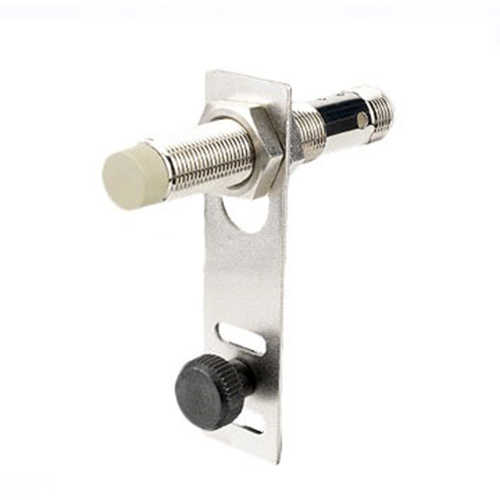
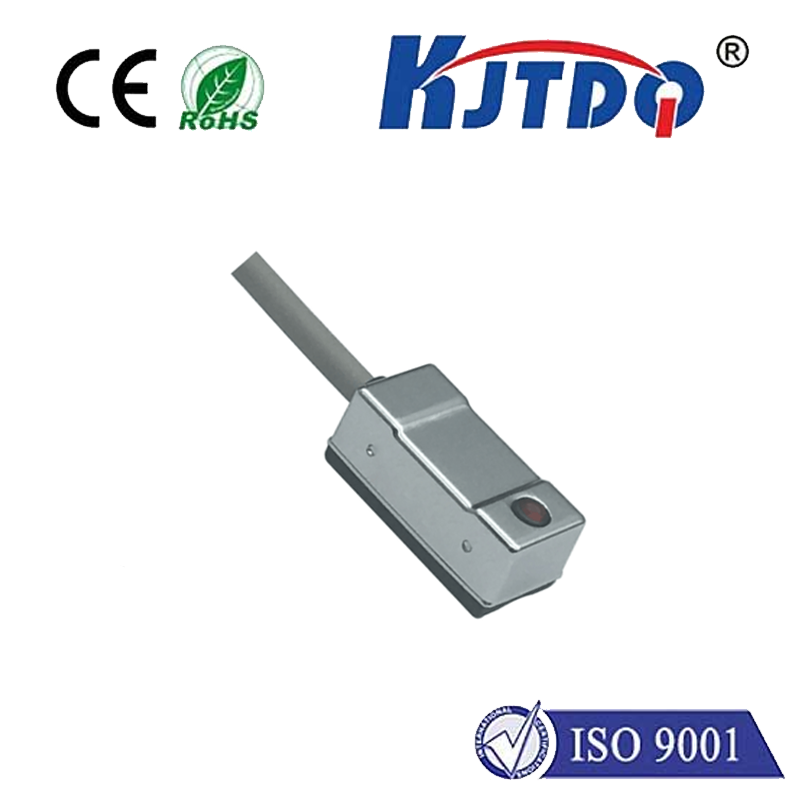
The ZL51-3032NK is a diffuse reflective photoelectric sensor, a type known for its simplicity and effectiveness in object detection. Unlike through-beam sensors that require separate emitter and receiver units, this model integrates both components into a single, compact housing. It operates by emitting a beam of modulated infrared light. When an object enters its detection range, the light reflects off the object's surface and returns to the built-in receiver, triggering a switching signal. This design eliminates the need for precise alignment with a separate receiver, significantly simplifying installation and reducing setup time. The "NK" suffix often denotes specific housing material or connector type variations, typically indicating a ruggedized design suitable for challenging conditions.
Key to its performance is its operational specifications. The ZL51-3032NK typically offers a stable sensing range, which can vary from a few centimeters to several meters depending on the object's reflectivity. It features a fast response time, enabling the detection of rapidly moving objects on high-speed conveyor belts without missing a beat. The output is usually in the form of a solid-state NPN or PNP transistor, providing a clean, bounce-free signal compatible with Programmable Logic Controllers (PLCs), frequency inverters, and other industrial control systems. Many models come equipped with a visible red or green LED beam, allowing for easy alignment and status indication during commissioning and troubleshooting.
The true value of the ZL51-3032NK photoelectric switch is realized in its diverse application scenarios. It is indispensable in packaging lines for detecting the presence of boxes, bottles, or cans, ensuring proper filling, capping, and labeling. In assembly operations, it verifies the correct positioning of components before a robotic arm performs its task. Within automated storage and retrieval systems (AS/RS), these sensors count items, control sorting gates, and confirm bin occupancy. Their ability to detect objects regardless of material—be it metal, plastic, wood, or glass—makes them far more versatile than inductive proximity sensors, which are limited to metallic targets.
Durability is a cornerstone of its design. Housed in a robust casing often made from nickel-plated brass or high-grade plastic, the ZL51-3032NK is built to withstand the industrial milieu. It commonly boasts high ingress protection ratings like IP67, meaning it is dust-tight and can withstand temporary immersion in water. This makes it resilient against common hazards such as oil splashes, coolant mists, and dust particles prevalent in machining, food processing, and automotive plants. Furthermore, it is engineered to resist electrical noise from motors and frequency drives, ensuring stable operation without false triggering.
For engineers and maintenance personnel, features like a potentiometer for sensitivity adjustment are invaluable. This allows the sensor to be fine-tuned to ignore background objects or detect low-reflectivity materials, enhancing application flexibility. The incorporation of advanced technologies, such as background suppression or constant light intensity control in some variants, further improves performance by minimizing the effects of object color, texture, or environmental light interference.
Implementing the ZL51-3032NK into a system is straightforward. Its compact size allows for installation in tight spaces. Standard mounting brackets facilitate easy integration. When wiring, attention must be paid to the voltage requirements (commonly 10-30V DC) and the correct connection of the output load to avoid damage. Regular maintenance is minimal but should include periodic lens cleaning to prevent the accumulation of dirt or grime that could attenuate the light beam and reduce the effective sensing range.
In conclusion, the ZL51-3032NK photoelectric switch is more than just a component; it is a fundamental enabler of automation intelligence. Its blend of reliable detection, environmental robustness, and application adaptability makes it a trusted choice for system integrators and plant managers aiming to optimize productivity, ensure quality control, and enhance operational safety. As industries continue to evolve towards greater connectivity and smart manufacturing under the umbrella of Industry 4.0, dependable sensors like the ZL51-3032NK will remain the essential eyes of the automated factory floor, providing the critical data needed for informed decision-making and uninterrupted workflow.