Проверка
Проверка
Проверка
Проверка
Проверка
Проверка
In the dynamic landscape of industrial automation, precision and reliability are non-negotiable. The E3FA-RN12 photoelectric switch stands as a cornerstone component for countless sensing applications, offering a blend of durability and performance that engineers and system integrators have come to trust. This comprehensive guide delves into the core features, operational principles, and practical applications of this versatile sensor, providing essential insights for optimizing your production line.
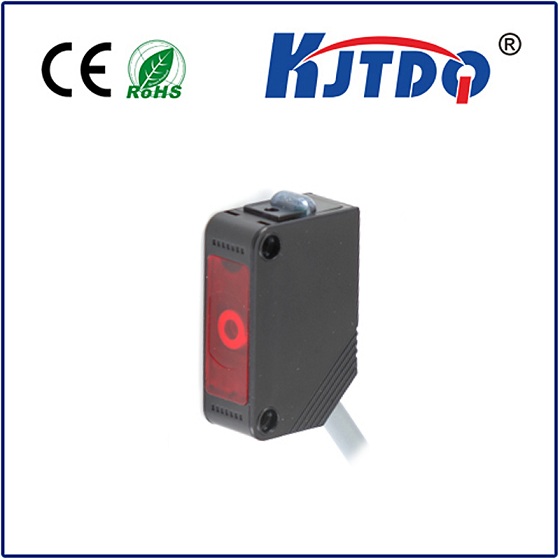
At its heart, the E3FA-RN12 is a diffuse-reflective photoelectric sensor. It operates by emitting a beam of modulated light from its built-in LED. When this light strikes an object within its sensing range, a portion of the light is reflected back to the sensor's receiver. The internal circuitry detects this reflected light and triggers an output signal. The "RN12" designation typically refers to a specific housing style and sensing range, often around 100mm to 200mm, making it suitable for detecting medium-range objects without the need for a separate reflector. This self-contained operation simplifies installation and reduces setup complexity compared to through-beam sensors.
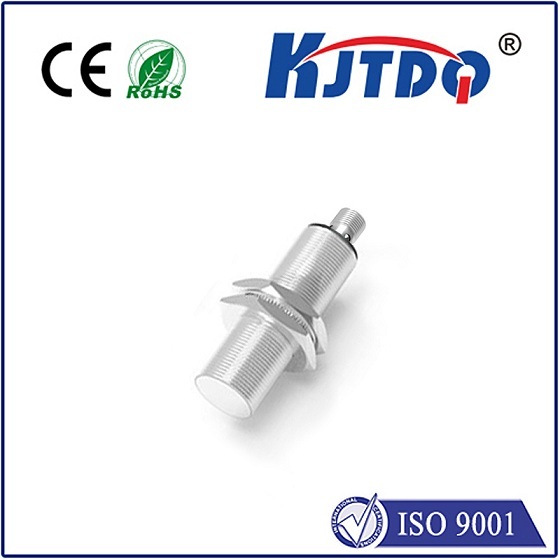
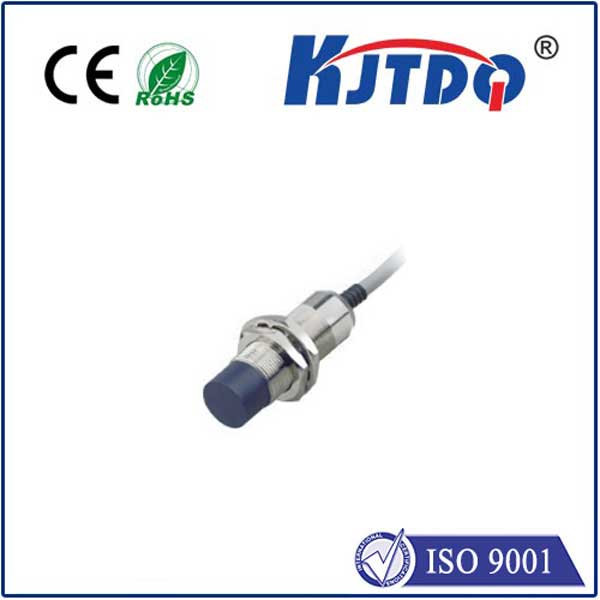
The construction of the E3FA-RN12 is designed for harsh industrial environments. It commonly features a rugged, cylindrical stainless-steel housing that provides excellent resistance to physical impact, oils, and coolants. Many models are built to meet IP67 or higher ingress protection ratings, meaning they are dust-tight and can withstand temporary immersion in water. This robustness ensures consistent operation in demanding settings such as packaging machinery, material handling systems, automotive assembly lines, and woodworking equipment. The sensor's reliability directly translates to reduced downtime and maintenance costs.
One of the key advantages of the E3FA-RN12 is its versatility in object detection. It can reliably sense a wide variety of materials, including metals, plastics, woods, and even transparent or translucent objects like glass or bottles, depending on the specific model and its adjustable sensitivity. This is achieved through a potentiometer or teach-in function that allows technicians to fine-tune the sensing threshold, ignoring background objects or varying surface colors. This adjustability is crucial for applications where product size, color, or position may vary.
Electrical integration is straightforward. The E3FA-RN12 typically operates on a standard DC voltage range (e.g., 12-24V DC) and provides either a digital PNP (sourcing) or NPN (sinking) output. This compatibility with standard programmable logic controllers (PLCs) and industrial control systems allows for seamless integration into existing networks. The output is often in the form of a solid-state switch, providing a fast response time that is critical for high-speed counting, positioning, and sorting tasks. An LED status indicator provides clear visual confirmation of power and output state, aiding in quick diagnostics and setup.
When deploying the E3FA-RN12, several best practices ensure optimal performance. First, proper mounting is essential. Ensure the sensor is securely fixed and aligned correctly with the expected path of the target object. Environmental factors must be considered; while the sensor is robust, excessive ambient light (like direct sunlight or welding arcs) can interfere with operation. Using sensors with modulated light helps mitigate this, but positioning away from strong light sources is recommended. For detecting highly reflective or dark objects, careful sensitivity adjustment is necessary to achieve a stable sensing window without false triggers.
Regular maintenance, though minimal, prolongs the sensor's life. Periodically clean the lens with a soft cloth to remove dust, grime, or oil buildup that could attenuate the light beam. Check the mounting hardware for loosening due to vibration. Verifying the electrical connections for corrosion or wear also helps prevent unexpected failures. By following these simple steps, the E3FA-RN12 can deliver years of uninterrupted service.
In conclusion, the E3FA-RN12 photoelectric switch embodies the essential qualities needed for modern industrial sensing: robustness, accuracy, and adaptability. Its diffuse-reflective design simplifies installation, while its rugged build withstands challenging conditions. For engineers seeking a dependable solution for object detection, presence sensing, or counting, the E3FA-RN12 offers a proven and reliable choice that enhances automation efficiency and system reliability. Understanding its capabilities and proper application is key to unlocking its full potential on the factory floor.