Проверка
Проверка
Проверка
Проверка
Проверка
Проверка
In the complex world of industrial automation, the reliability of every component is paramount. Among these, the photoelectric switch stands as a silent sentinel, enabling countless processes to function with precision and safety. The MV100-6757/103 photoelectric switch represents a pinnacle of this technology, offering a robust solution for diverse and demanding applications. This guide delves into the core features, operational principles, and practical benefits of this specific model, explaining why it is a preferred choice for engineers and system integrators globally.
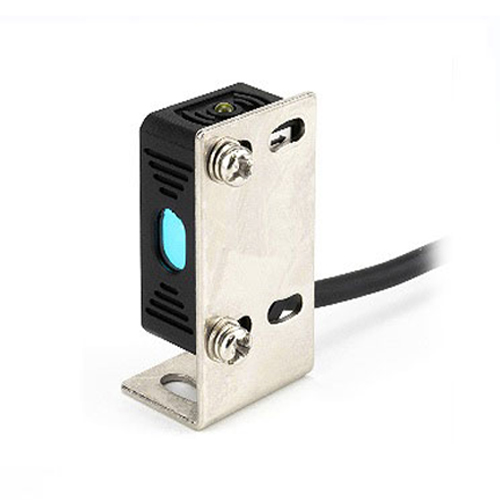
At its heart, the MV100-6757/103 is a through-beam photoelectric sensor. This design involves two separate units: a transmitter and a receiver. The transmitter emits a focused beam of light, typically infrared or laser, which is then captured by the receiver positioned directly opposite. The core function is elegantly simple: when an object interrupts this light beam, the sensor's output state changes, sending a signal to the control system. This method is renowned for its long sensing range, high accuracy, and exceptional reliability, as it is less susceptible to environmental factors like object color, reflectivity, or surface texture compared to reflective models. The "103" suffix often denotes specific electrical characteristics, such as output configuration (e.g., NPN or PNP) and voltage range, making it crucial to verify datasheet specifications for integration.
The MV100-6757/103 is engineered for durability. Housed in a rugged casing, it is designed to withstand the harsh conditions typical of industrial environments, including dust, moisture, vibration, and temperature fluctuations. This resilience ensures consistent performance in settings ranging from packaging lines and material handling systems to automotive assembly and warehouse logistics. Its key advantage lies in its ability to detect objects at a considerable distance with a high degree of positional accuracy. This makes it ideal for tasks such as object counting on high-speed conveyors, precise positioning in robotic arms, detecting breakages in material webs, or ensuring safety in access control points by monitoring light curtains.
Installation and alignment of the MV100-6757/103 pair are straightforward but critical. Proper mounting ensures the beam is perfectly aligned, maximizing operational efficiency. Many models feature alignment indicators, such as LED lights on both the transmitter and receiver, which signal optimal beam reception. This user-friendly design minimizes setup time and reduces errors. Maintenance requirements are generally low, primarily involving periodic lens cleaning to prevent dust or grime from attenuating the light signal, thereby preserving long-term sensing integrity.
When selecting a photoelectric switch, comparing the through-beam type with alternatives like retro-reflective or diffuse sensors is essential. While diffuse sensors detect objects by reflecting light off the target itself, and retro-reflective models use a reflector, the through-beam design of the MV100-6757/103 offers the highest performance in terms of range and reliability for clear-path applications. It is the go-to solution when absolute detection certainty is required, unaffected by the object's properties. For instance, in a bottling plant, it can reliably detect clear glass bottles, which might challenge other sensor types.
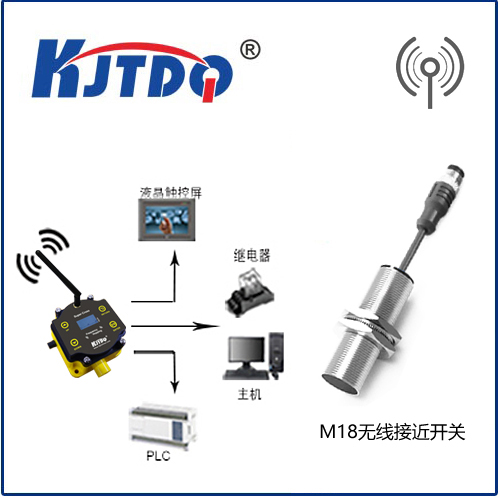
Integrating the MV100-6757/103 into a control system is facilitated by its standardized output. It typically interfaces seamlessly with Programmable Logic Controllers (PLCs), relays, or other industrial controllers. Understanding the wiring diagram—connecting the correct wires for power supply, output signal, and ground—is vital for safe and effective operation. Adhering to the manufacturer's guidelines for voltage, current load, and environmental ratings guarantees both sensor longevity and overall system safety.
In conclusion, the MV100-6757/103 photoelectric switch is more than just a component; it is a foundational element for building reliable, efficient, and safe automated systems. Its through-beam technology, combined with rugged construction and precise detection capabilities, addresses the core needs of modern industry. For professionals seeking a proven and dependable sensing solution for long-range, high-accuracy object detection, specifying the MV100-6757/103 model is a decision that supports operational excellence and minimizes downtime. Always consult the official technical documentation for the most accurate and application-specific information before finalizing any design or purchase.