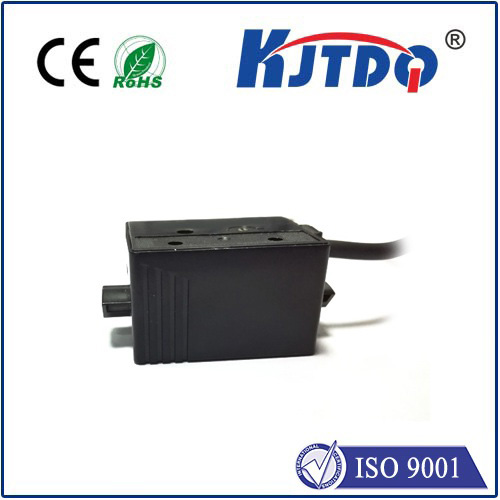
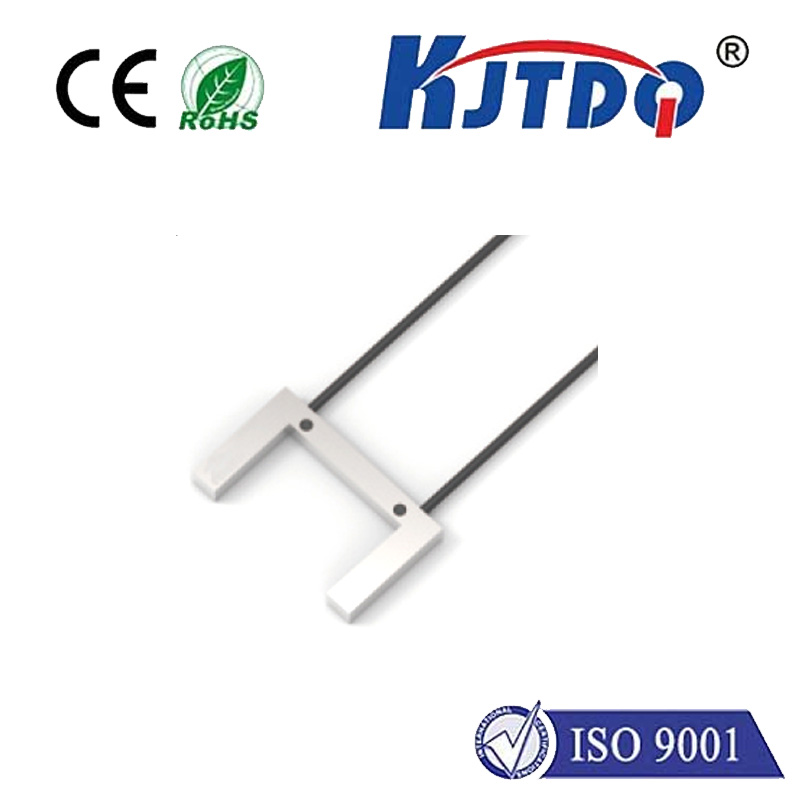
Photoelectric switches have revolutionized industrial automation, offering non-contact detection capabilities that mechanical switches simply cannot match. Among the most reliable and widely used series are the KS9, KSE9, 59, 103, and 115 models. These devices form the backbone of countless sensing applications, from packaging lines to material handling systems. Understanding their specifications, advantages, and ideal use cases is crucial for engineers and system integrators aiming to build robust and efficient automated processes.
The core principle behind these switches is straightforward: they use a light beam, typically infrared or laser, to detect the presence, absence, or distance of an object. A transmitter emits the light, and a receiver detects it. When an object interrupts or reflects this beam (depending on the sensing mode), the switch's output state changes, sending a signal to a controller like a PLC. This non-contact method eliminates mechanical wear and tear, ensuring a long operational life even in high-cycle applications. The KS9 and KSE9 series, for instance, are renowned for their compact design and high environmental resistance, often featuring IP67 ratings that make them suitable for dusty or wet environments common in manufacturing and food processing.
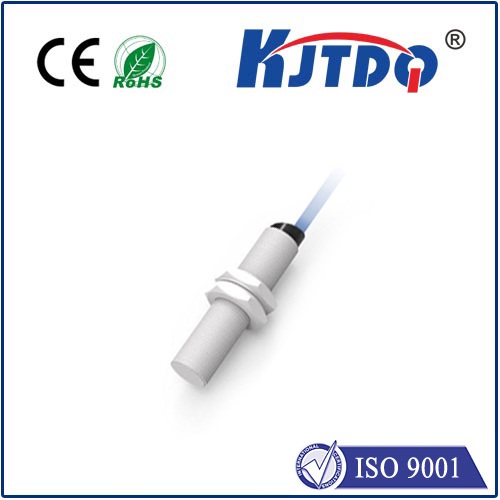
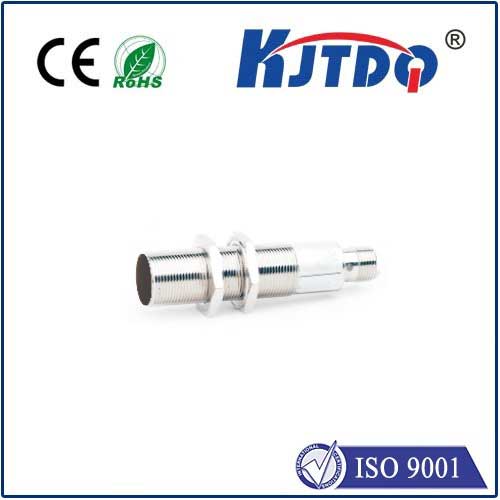
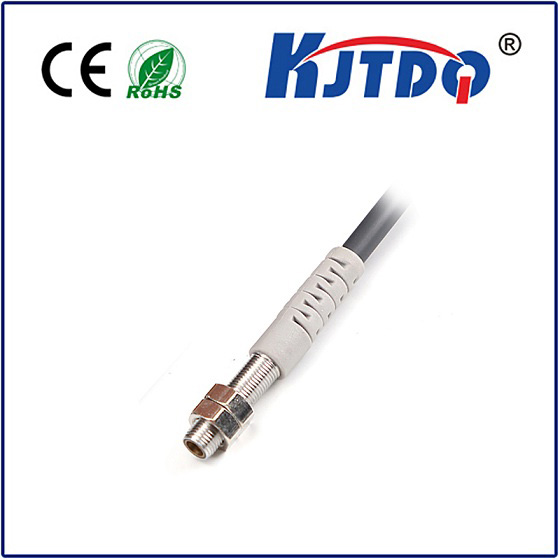
Delving into specific models, the 59 series often refers to a family of tubular, threaded photoelectric sensors known for their versatility and ease of installation. They are frequently used for precise detection tasks where space is limited. The 103 and 115 designations typically relate to specific form factors, sensing ranges, or output configurations. For example, a model might be optimized for long-range detection (103) or offer a specialized background suppression feature (115) that allows it to detect an object at a precise distance while ignoring objects beyond that point. This is invaluable in applications like detecting objects on a conveyor belt while ignoring the belt itself or the machine framework behind it.
Selecting the right photoelectric switch involves several key considerations. First, determine the sensing mode: through-beam, retro-reflective, or diffuse. Through-beam models offer the longest range and highest reliability, as the transmitter and receiver are separate units. Retro-reflective switches use a reflector to bounce the beam back, simplifying wiring. Diffuse or proximity sensors detect light reflected directly from the target, making them simpler to install but with shorter ranges. The KS9 series excels in diffuse and retro-reflective modes for general-purpose detection. Second, consider the sensing range, environmental conditions (requiring specific IP ratings), light source (infrared for stability, visible red for easy alignment), and output type (PNP/NPN transistor, relay, or analog).
The application areas for these photoelectric switches are vast. In material handling, they count boxes, control conveyor speeds, and detect jams. In packaging machinery, they ensure precise positioning of labels and products. The KSE9 models, with their enhanced sealing, are perfect for washdown areas in beverage or pharmaceutical plants. Automotive assembly lines rely on them for part verification and robot guidance. Their reliability directly impacts production uptime and product quality. A failure in a simple object detection sensor can halt an entire production line, leading to significant financial loss.
Installation and maintenance are relatively simple but require attention to detail. Ensure the sensor is securely mounted and aligned correctly. For through-beam types, alignment is critical. Keep lenses clean from dust, oil, or debris, which can attenuate the light beam and cause false triggers. Modern switches like those in the 115 series often feature built-in LED indicators for power, output, and stability, providing visual diagnostics. When troubleshooting, checking these indicators, verifying the power supply, and inspecting for optical obstructions are the first steps. Understanding the load compatibility of the output with your PLC input module is also essential to prevent damage.
In conclusion, the KS9, KSE9, 59, 103, and 115 photoelectric switch families represent mature, proven technology essential for modern industrial automation. Their differences in housing, range, and special features like background suppression or high-speed response cater to a broad spectrum of applications. By carefully matching the sensor's specifications to the task's requirements—considering range, environment, sensing mode, and required output—engineers can ensure reliable, maintenance-free operation. As automation evolves towards Industry 4.0, these fundamental sensing components remain irreplaceable, providing the critical data points that drive intelligent, efficient, and safe industrial operations.