Проверка
Проверка
Проверка
Проверка
Проверка
Проверка
In the intricate world of industrial automation, the reliability of a single component can dictate the efficiency of an entire production line. Among the myriad of sensing devices available, the RL36-3023PH photoelectric switch stands out as a paragon of precision and durability. This comprehensive guide delves into the core features, operational principles, and diverse applications of this advanced sensor, providing essential insights for engineers and system integrators seeking to optimize their automated processes.
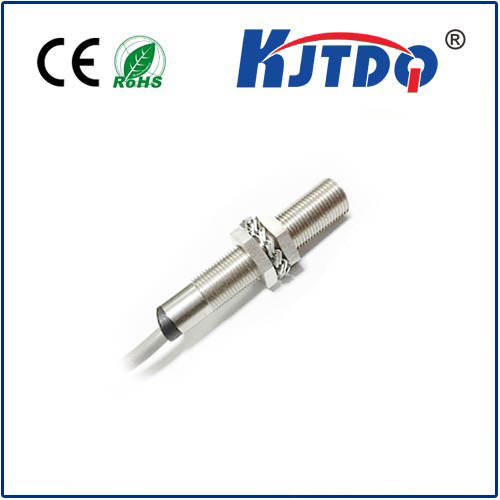
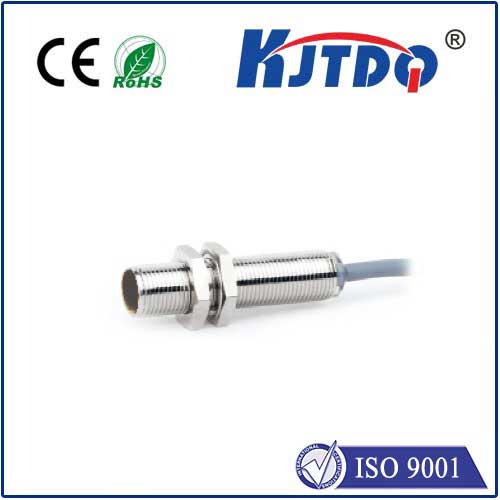
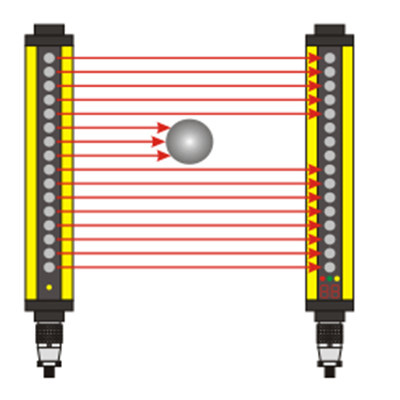
The RL36-3023PH is a robust, cylindrical photoelectric sensor designed for challenging industrial environments. Its core functionality is based on the through-beam sensing method. The device consists of two separate units: a transmitter and a receiver. The transmitter emits a focused beam of infrared or visible light, which is then captured by the receiver positioned directly opposite. An object is detected when it physically interrupts this light beam. This method is renowned for its long sensing distances and high immunity to environmental interference, such as dust, steam, or target object color and surface finish. The "PH" designation often indicates specific characteristics like a particular housing material, connector type, or output configuration, which should be verified against the manufacturer's datasheet for precise specifications.
One of the defining attributes of the RL36-3023PH is its exceptional build quality. Typically housed in a stainless steel or ruggedized polymer body, it offers high resistance to impacts, vibrations, and harsh chemicals commonly found in manufacturing plants, packaging facilities, and material handling systems. Many models feature an IP67 or higher ingress protection rating, making them dust-tight and capable of withstanding temporary immersion in water. This resilience ensures consistent performance in washdown areas or outdoor applications.
The operational advantages of utilizing a through-beam sensor like the RL36-3023PH are significant. It provides the longest possible sensing range within the photoelectric switch family, often capable of detecting objects several meters away. Its detection is extremely accurate and reliable, as it is less susceptible to false triggers from shiny or angled surfaces that can plague reflective sensors. The simple "beam broken" logic offers a straightforward and highly stable signal for counting, positioning, or safety curtain applications. For instance, on a high-speed conveyor belt, the RL36-3023PH can accurately count bottles, detect the presence of a carton for filling, or act as a safety interlock to stop machinery if a person breaches a protected zone.
Integration into existing control systems is facilitated by various output options. Common configurations include NPN (sinking) or PNP (sourcing) transistor outputs, which are compatible with standard programmable logic controllers (PLCs), relays, and counters. Some variants may also feature a teach-in function or adjustable sensitivity via a potentiometer, allowing for fine-tuning on-site to adapt to specific environmental conditions or target objects.
Practical applications for the RL36-3023PH are vast and varied. In the automotive industry, it is used for precise robot guidance and part verification on assembly lines. Within packaging machinery, it ensures correct carton erection and verifies label placement. In warehouse automation, these sensors manage inventory by monitoring pallet movement on racks and guiding automated guided vehicles (AGVs). Their robustness also makes them ideal for agricultural equipment, forestry machinery, and bulk material handling where exposure to the elements is constant.
When selecting and installing the RL36-3023PH, several best practices should be followed. First, ensure the alignment between the transmitter and receiver is precise; even a slight misalignment can drastically reduce effective range and reliability. Use mounting brackets designed for the specific model to maintain this alignment under vibration. Second, consider the power supply requirements (typically 10-30V DC) and ensure the load connected to the output does not exceed its rated capacity. Finally, regular maintenance, such as cleaning the lenses to prevent buildup of dirt or grime, is crucial for long-term, trouble-free operation. While the through-beam design is robust, its requirement for two separate units and wiring can be a consideration compared to one-piece diffuse sensors, though the performance benefits often outweigh this factor.
In conclusion, the RL36-3023PH photoelectric switch represents a critical investment in operational certainty. Its through-beam technology, coupled with industrial-grade construction, delivers unmatched detection reliability for demanding applications. By understanding its capabilities and implementing it correctly, businesses can achieve higher levels of automation efficiency, reduce downtime, and enhance overall system safety. For projects demanding unwavering accuracy over distance and in tough conditions, the RL36-3023PH is not just a component; it is a foundational pillar for intelligent automation.