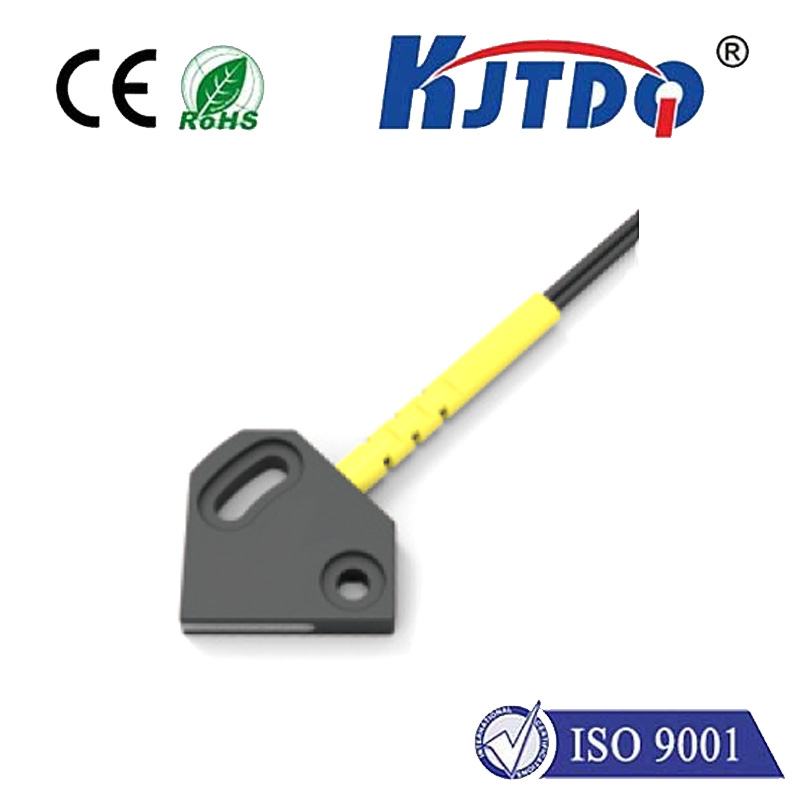
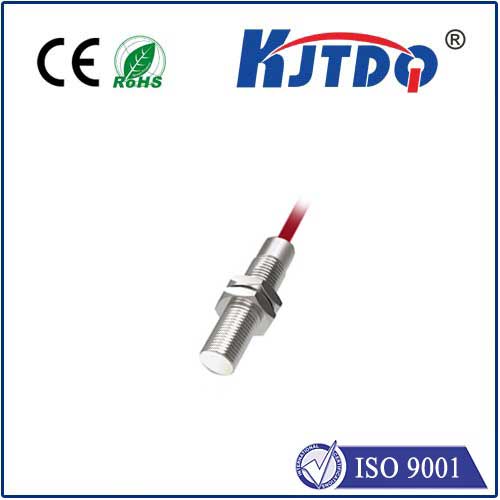
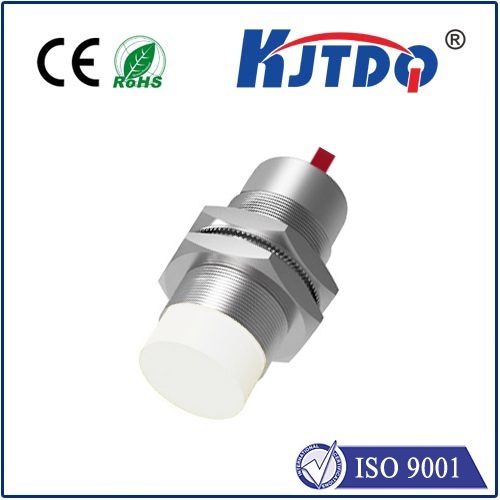
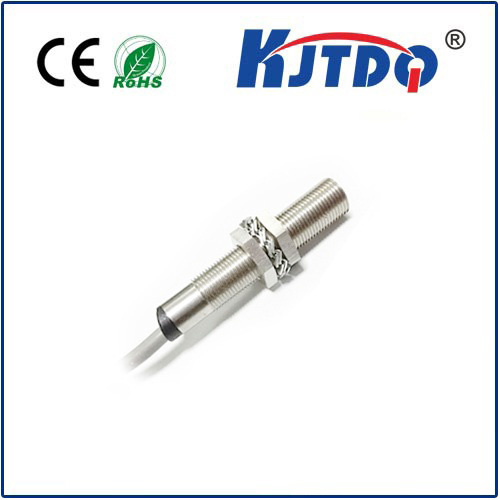
In the world of industrial automation, precision and reliability are non-negotiable. The E3JK-RP12-C photoelectric switch stands as a cornerstone component for countless sensing applications, from conveyor belt monitoring to packaging line safety. This comprehensive guide delves into the core features, operational principles, and practical applications of this versatile sensor, explaining why it remains a preferred choice for engineers and system integrators globally.
At its heart, the E3JK-RP12-C is a diffuse-reflective photoelectric sensor. It operates by emitting a beam of modulated light from its built-in LED. When this light strikes an object within its sensing range, a portion of the light is reflected back to the sensor's receiver. The internal circuitry then processes this signal to detect the object's presence. The "RP" in its model number typically denotes this reflective sensing mode, which simplifies installation as it requires only a single unit, unlike through-beam sensors that need separate emitter and receiver components. The specific design of the E3JK-RP12-C offers a stable sensing distance, optimized to minimize the effects of background interference and object color or surface texture variations.
The robustness of the E3JK-RP12-C is a key factor in its widespread adoption. Housed in a durable, compact casing, it is engineered to withstand the harsh conditions prevalent in industrial environments. This includes resistance to common challenges like dust accumulation, moisture exposure, and electrical noise. Many models in this series feature built-in surge protection and stable circuitry, ensuring consistent performance and longevity even when connected to inductive loads such as relays or solenoids. This durability translates directly into reduced maintenance costs and minimized production downtime, a critical consideration for any automated operation.
One of the most significant advantages of the E3JK-RP12-C is its straightforward setup and flexibility. It often comes with intuitive adjustment mechanisms, such as a sensitivity potentiometer, allowing technicians to fine-tune the sensing range and response to suit specific application needs. This adjustability is crucial for detecting objects of different sizes, colors, or materials. Furthermore, its output is typically a solid-state relay (SSR) or transistor output, providing a clean switching signal compatible with Programmable Logic Controllers (PLCs), counters, and other control systems. The wiring is generally simple, following a standard color-coded scheme for power, output, and ground connections.
The practical applications for the E3JK-RP12-C are vast and varied. In manufacturing, it is indispensable for tasks like object counting on production lines, detecting jams in machinery, or verifying the presence of components in an assembly fixture. In material handling, it ensures proper positioning of boxes on conveyors or controls the filling level in containers. Its reliability also makes it suitable for safety-related functions, such as ensuring a guard door is closed before a machine cycle begins. The sensor's ability to detect a wide range of materials—including plastic, metal, wood, and glass—makes it an incredibly versatile tool in an engineer's arsenal.
When integrating the E3JK-RP12-C, several best practices ensure optimal performance. Correct mounting is paramount; the sensor should be securely fixed to avoid vibration-induced false triggers. The sensing path must be kept clear of obstructions and highly reflective backgrounds that could cause erratic behavior. Regular cleaning of the lens is recommended to prevent dust or grime from attenuating the light beam. Understanding the sensor's specifications, including its nominal sensing distance, response time, and environmental ratings, is essential for selecting the right model for the job and avoiding common pitfalls like overloading the output.
In conclusion, the E3JK-RP12-C photoelectric switch exemplifies the blend of simplicity, robustness, and adaptability required for modern industrial sensing. Its proven technology provides a dependable solution for automating processes, enhancing safety, and improving overall operational efficiency. For professionals seeking a reliable detection component that delivers consistent performance day in and day out, the E3JK-RP12-C continues to be a benchmark in photoelectric sensing technology.