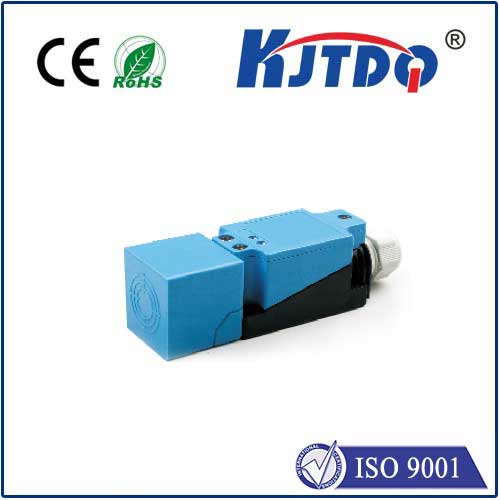
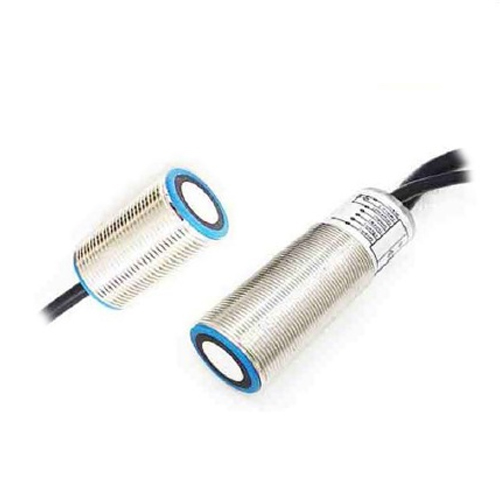
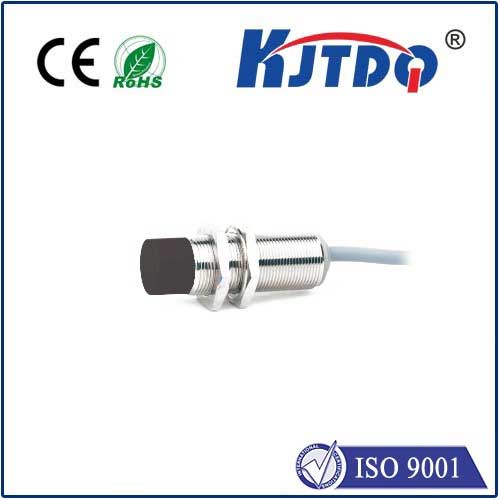
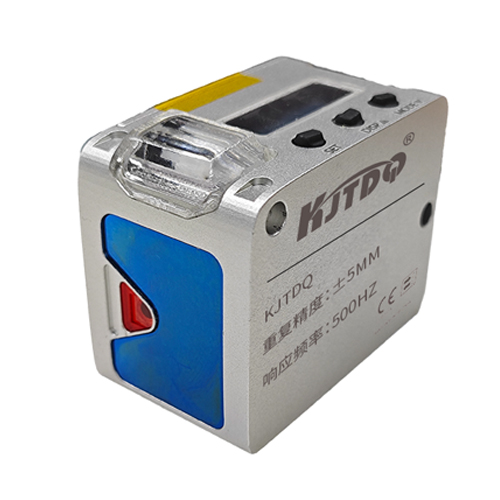
In the fast-paced world of industrial automation, precision and reliability are non-negotiable. The CL61-3033PH photoelectric switch stands as a testament to engineering excellence, offering a robust solution for countless sensing applications. This comprehensive guide delves into the features, benefits, and practical uses of this advanced sensor, explaining why it has become a preferred choice for engineers and system integrators globally.
At its core, the CL61-3033PH is a through-beam photoelectric sensor. This design involves a separate transmitter and receiver unit. The transmitter emits a focused beam of light, typically infrared or laser, which is then detected by the receiver. An object is sensed when it interrupts this beam. This method is renowned for its long sensing distances, high accuracy, and immunity to object color, surface texture, or reflectivity. Whether detecting transparent glass bottles on a high-speed packaging line or large metallic components in automotive assembly, the CL61-3033PH delivers consistent, unwavering performance.
The "PH" designation often indicates specific housing material or enhanced environmental protection. The CL61-3033PH is typically built with a rugged, industrial-grade housing, offering high resistance to dust, moisture, and mechanical impact. Many models conform to IP67 or higher ingress protection ratings, meaning they are dust-tight and can withstand temporary immersion in water. This makes them perfectly suited for harsh environments like food processing plants, outdoor logistics, or machining workshops where coolant sprays are prevalent.
Key technical specifications contribute to its reliability. It often features a sensing range of several meters, a fast response time measured in milliseconds for high-speed production lines, and stable operation across a wide temperature range. The output is typically a clean, solid-state signal (like NPN or PNP) compatible with standard PLCs (Programmable Logic Controllers) and control systems. This plug-and-play compatibility significantly reduces installation time and system integration complexity.
One of the primary advantages of the through-beam design, as exemplified by the CL61-3033PH, is its exceptional reliability. Since the receiver is only looking for the specific light signal from its paired transmitter, it is largely unaffected by ambient light interference or background reflections. This results in a very high signal-to-noise ratio and minimal false triggering—a critical factor in maintaining production line efficiency and product quality. Downtime caused by sensor errors is costly, and the CL61-3033PH is engineered to minimize such risks.
Practical applications are vast and varied. In material handling, it is used for precise pallet detection, conveyor jam prevention, and box counting. In the automotive industry, it ensures robots correctly position parts for welding or assembly. In packaging, it verifies the presence of labels, controls fill levels, and inspects for missing caps. Its robust construction also allows it to function reliably in aggressive environments like woodworking (sawdust) or agriculture (grain dust).
When selecting a photoelectric switch like the CL61-3033PH, several factors must be considered. First, assess the required sensing distance and the size of the target objects. Second, evaluate the environmental conditions: presence of dust, moisture, temperature extremes, or potential physical abuse. Third, ensure the electrical output type matches your control system's input requirements. Finally, consider mounting options and alignment needs; while through-beam sensors offer superior performance, they require precise alignment of two separate units, which can be more challenging in tight spaces compared to diffuse-reflective sensors.
Installation and maintenance are straightforward but crucial. Ensure both the transmitter and receiver are securely mounted to prevent vibration from misaligning the beam. Use the built-in alignment indicators, often LED lights that change state when the beam is properly received. Regular maintenance involves simply keeping the lenses clean from dirt, grease, or debris to maintain optimal optical performance. The durable design of the CL61-3033PH means it often operates for years without failure.
In conclusion, the CL61-3033PH photoelectric switch is more than just a component; it is a cornerstone of modern industrial sensing. Its through-beam principle, ruggedized construction, and dependable performance address the core needs of automation: accuracy, speed, and resilience. For system designers seeking a proven, low-maintenance solution to object detection challenges in demanding settings, the CL61-3033PH represents an intelligent and reliable investment, ensuring smooth operations and safeguarding productivity.