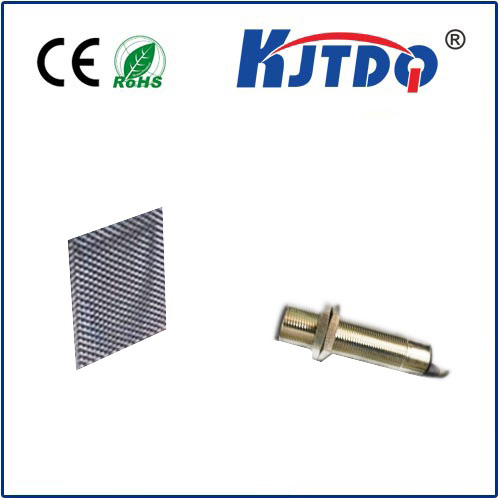
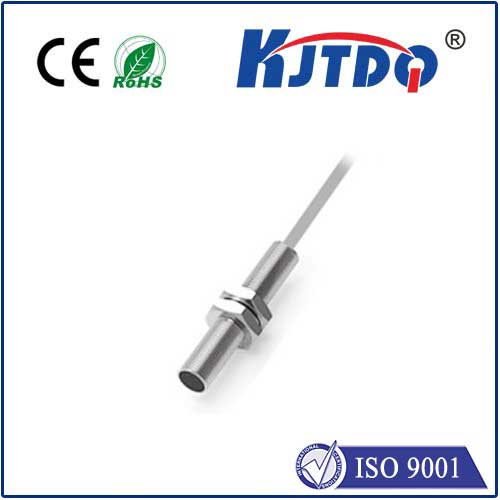
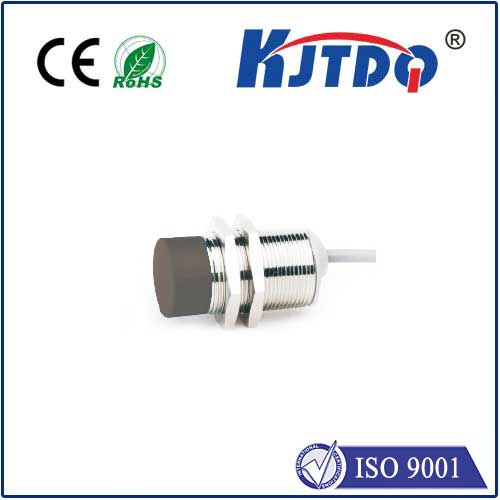
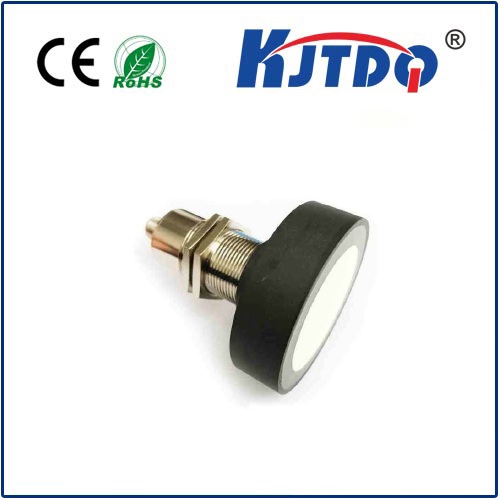
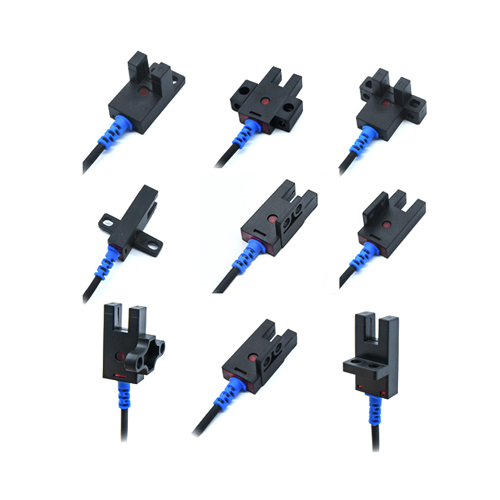
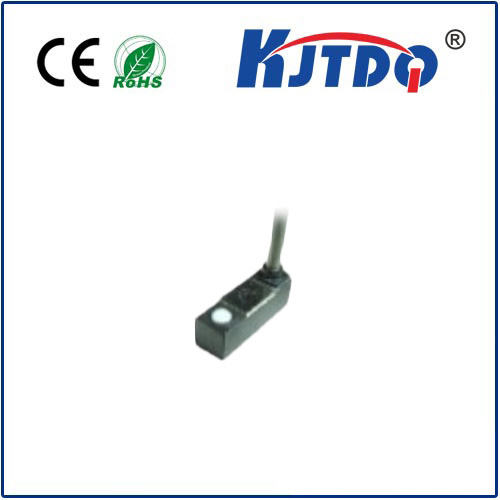
In the world of industrial automation, precision and reliability are not just desirable; they are absolute necessities. The BR100-DDT-P photoelectric switch stands as a critical component in countless systems, providing the essential "eyes" for machinery to sense, detect, and react. This diffuse reflective sensor, distinguished by its PNP output configuration, is engineered for applications demanding consistent performance in detecting objects without the need for a separate reflector. Its design focuses on simplifying installation while maintaining high accuracy in varied environmental conditions.
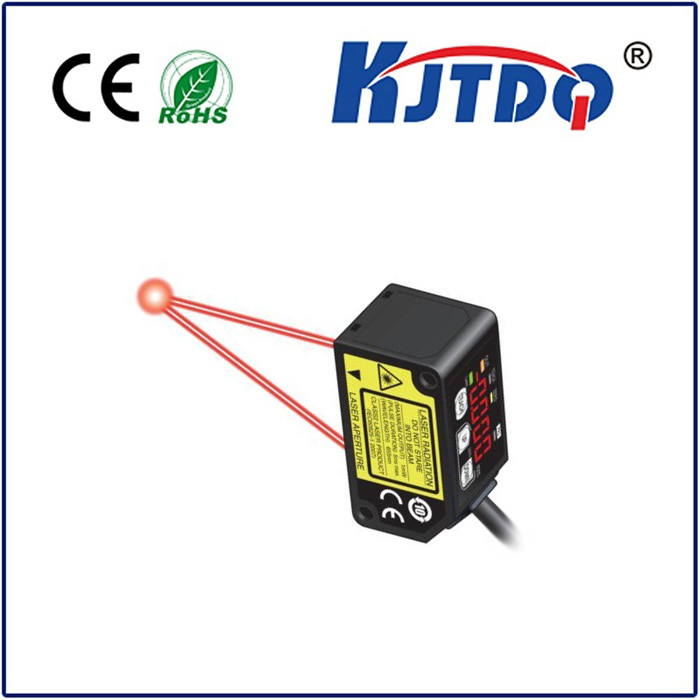
The core principle behind the BR100-DDT-P is straightforward yet highly effective. It emits a beam of light—typically infrared or visible red—from its integrated transmitter. When this light strikes an object within its sensing range, it diffusely reflects back to the sensor's receiver. The internal circuitry then processes this signal and triggers the PNP transistor output. This PNP (sourcing) output is a key feature, meaning the switch provides a positive voltage signal to the load when an object is detected, making it compatible with a wide array of programmable logic controllers (PLCs) and standard industrial control circuits. This design eliminates the complexity and alignment issues associated with through-beam or retro-reflective sensors, as it requires only a single unit to be mounted.
One of the primary advantages of the BR100-DDT-P is its versatility in handling different object characteristics. It can reliably detect objects of various colors, materials, and surface finishes, although highly reflective or very dark surfaces may require careful adjustment of the sensing distance or sensitivity potentiometer. The typical sensing range for such diffuse models is clearly defined in its datasheet, and users must account for factors like object size, color, and ambient light conditions during setup. For optimal performance, it is recommended to conduct tests with the actual object under real operating conditions to fine-tune the sensor's sensitivity.
Durability is a non-negotiable trait for industrial components. The BR100-DDT-P is commonly housed in a rugged casing, often rated at IP67 or similar, providing robust protection against dust ingress and temporary water immersion. This makes it suitable for challenging environments found in packaging lines, material handling systems, assembly stations, and woodworking machinery. Its ability to function consistently despite the presence of minor contaminants, vibration, or electrical noise is a testament to its robust construction and stable electronic design.
When integrating the BR100-DDT-P into a system, correct wiring is paramount. The standard connection involves three wires: a brown wire for the positive supply voltage (typically 10-30V DC), a blue wire for the common negative or 0V, and a black wire which is the PNP output signal. This black wire will supply voltage to the connected load (like a PLC input) when the detection condition is met. Ensuring a stable, clean power supply and proper shielding in electrically noisy environments is crucial for preventing false triggers and ensuring long-term reliability.
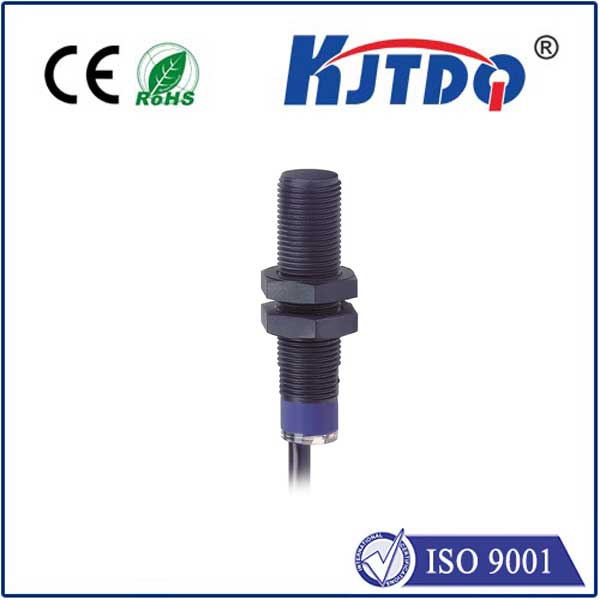
Comparing the BR100-DDT-P to other sensing technologies highlights its practical benefits. Unlike inductive proximity sensors, which only detect metals, this photoelectric switch can detect almost any solid object. Compared to through-beam sensors, it offers easier mounting with a single point of installation, though with a generally shorter sensing range. The choice of a diffuse model like this one is often the most cost-effective and simplest solution for direct object detection where mounting a reflector opposite is impractical.
Maintenance is minimal but essential. Regular cleaning of the lens surface from dust, oil, or debris ensures the light beam is not attenuated, preserving the sensor's specified range. Periodically checking the mounting bracket for tightness can prevent misalignment due to vibration. Understanding the sensor's indicator LEDs is also vital; they provide immediate feedback on power status and output activation, aiding immensely in troubleshooting.
In conclusion, the BR100-DDT-P photoelectric switch represents a perfect blend of simplicity, robustness, and functional reliability. Its diffuse reflective operation with PNP output provides a straightforward solution for a multitude of object detection tasks across diverse industries. By understanding its operating principles, correct application guidelines, and installation requirements, engineers and technicians can leverage this versatile component to enhance automation system efficiency, reduce downtime, and ensure seamless, uninterrupted production flow. Selecting the right sensor for the job is the first step toward building a resilient and intelligent automated process.