In the intricate world of industrial automation and machine control, the reliability of every component is paramount. Among these critical components, the photoelectric switch stands as a silent sentinel, enabling non-contact detection with unparalleled accuracy. The RL33-2443GH photoelectric switch emerges as a standout solution in this category, designed to meet the rigorous demands of modern manufacturing, packaging, and material handling systems. This guide delves into the core features, operational principles, and diverse applications of this advanced sensor, providing a comprehensive understanding of its value proposition.
At its heart, the RL33-2443GH is a through-beam photoelectric sensor. This design involves two separate units: a transmitter and a receiver. The transmitter emits a focused beam of light, typically from an LED source. The receiver, positioned directly opposite, is tasked with detecting this beam. When an object passes between the two units, it interrupts the light beam, triggering an immediate output signal. This fundamental principle grants the RL33-2443GH several key advantages. Its sensing range is notably long and stable, often exceeding that of other photoelectric types like diffuse or retro-reflective models. It offers high immunity to environmental factors such as object color, surface texture, or reflectivity, as it solely depends on beam interruption. This makes it exceptionally reliable for detecting transparent objects like glass or plastic films, which often challenge other sensor technologies.
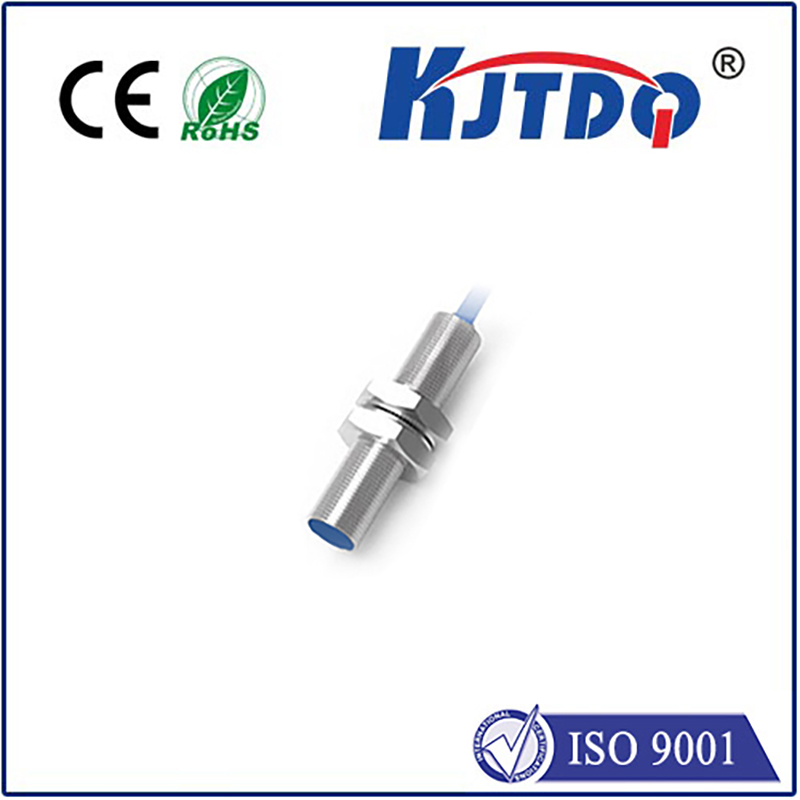
The designation "RL33-2443GH" encodes specific characteristics of its build and performance. The compact, cylindrical housing is engineered for durability, often featuring a robust metal or high-grade plastic body with an IP67 protection rating. This ingress protection ensures reliable operation even in harsh environments with exposure to dust, oil, and water jets. The device typically operates on a standard DC voltage range, such as 10-30V DC, making it compatible with a wide array of industrial control systems. Its output is commonly in the form of an NPN or PNP transistor switch, providing a clear on/off signal to programmable logic controllers (PLCs) or other control units. The "GH" suffix may indicate specific lens or housing variants optimized for certain conditions.
The practical applications of the RL33-2443GH photoelectric switch are vast and varied. In packaging lines, it is indispensable for precise object counting, ensuring each box contains the correct number of items. It performs bottle cap presence detection on high-speed filling machines, preventing defective products from proceeding down the line. Within automated storage and retrieval systems (AS/RS), these sensors provide accurate pallet positioning and height detection, guaranteeing safe and efficient handling. They are also crucial in security systems for door monitoring and intrusion detection, where beam breakage signals an unauthorized entry. The switch's ability to function reliably in environments with vibration, temperature fluctuations, and ambient light interference underscores its robustness.
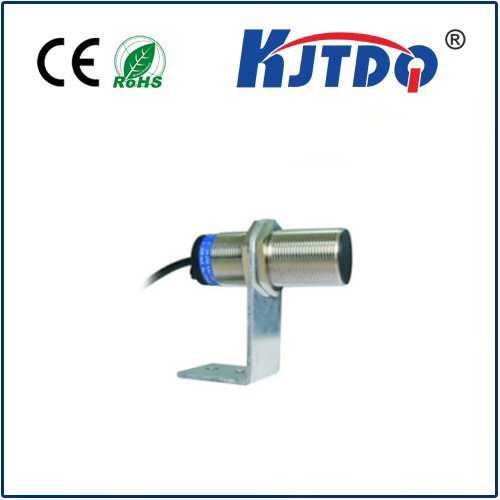
Selecting and installing the RL33-2443GH requires attention to detail. Key considerations include the required sensing distance, which must be within the sensor's specified range. Proper alignment between the transmitter and receiver is critical; even a slight misalignment can cause failure. Mounting brackets should secure the units firmly to prevent movement from vibration. Electrical wiring must follow the manufacturer's datasheet, correctly connecting the power supply, output, and, if available, diagnostic LED indicators. Many modern versions come with built-in diagnostics, such as a stability indicator LED, which simplifies alignment and troubleshooting, reducing downtime.
When compared to alternative sensing technologies like inductive proximity sensors or capacitive sensors, the RL33-2443GH's strength lies in its versatility and range. Inductive sensors only detect metals, and capacitive sensors can be affected by humidity and material composition. The through-beam photoelectric switch, however, detects virtually any material that interrupts its light path, from metal and wood to paper and clear plastic. Its main limitation is the need for two separate units and a clear line of sight, which can be a constraint in space-limited applications. For such scenarios, retro-reflective or diffuse models from the same product family might be recommended.
In conclusion, the RL33-2443GH photoelectric switch represents a fusion of precision engineering and practical design. Its through-beam operation delivers consistent, long-range detection capabilities that are essential for maintaining efficiency, safety, and quality in automated processes. By understanding its specifications, correct application, and installation best practices, engineers and technicians can leverage this powerful tool to optimize system performance. As automation continues to evolve, reliable components like the RL33-2443GH will remain foundational to building smarter, more responsive, and more productive industrial environments.