Проверка
Проверка
Проверка
Проверка
Проверка
Проверка
In the world of industrial automation and machine control, precision and reliability are non-negotiable. The SM12-30 photoelectric switch stands as a cornerstone component for countless applications, from packaging lines and material handling to security systems and assembly robots. This compact yet powerful sensor offers a blend of durability, accuracy, and versatility that makes it a preferred choice for engineers and system integrators globally. Unlike mechanical switches prone to wear and tear, the SM12-30 operates on a contactless principle, using a beam of light to detect the presence, absence, or distance of an object. This fundamental characteristic translates to a significantly longer operational lifespan and minimal maintenance requirements, ensuring consistent performance even in demanding environments.
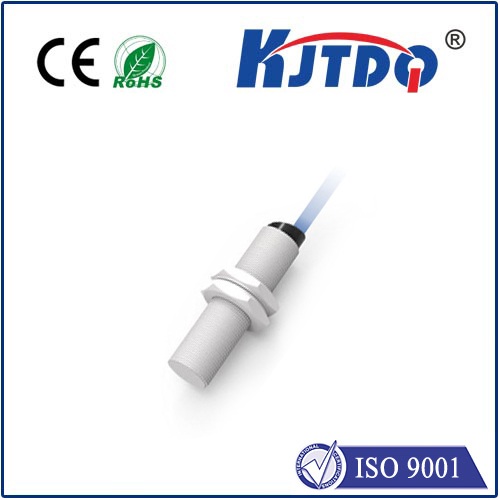
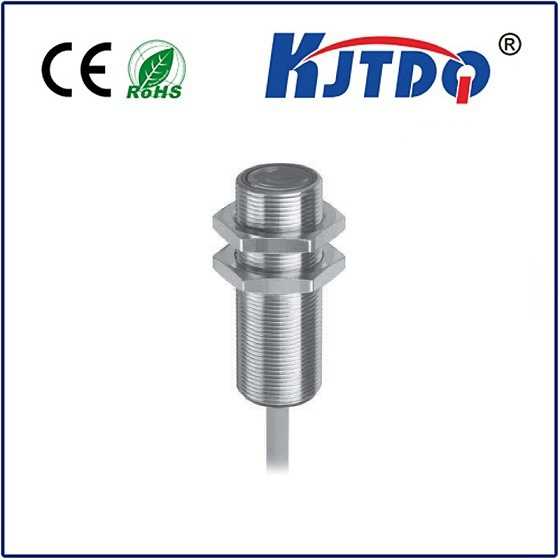
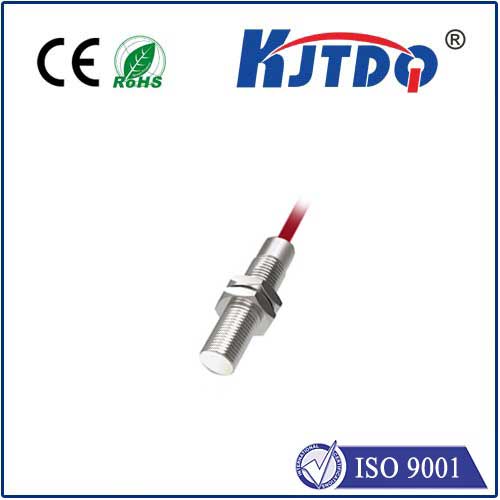
The "SM12-30" designation reveals key physical attributes: a 12mm cylindrical housing and a 30mm sensing distance. This form factor is ideal for installations where space is at a premium. The device typically features a built-in LED indicator for easy status monitoring and alignment during setup. Available in various sensing modes—such as through-beam, retro-reflective, and diffuse reflective—the SM12-30 photoelectric switch can be configured to solve a wide array of detection challenges. The through-beam type, with separate emitter and receiver units, offers the longest and most reliable sensing range, perfect for detecting opaque objects on fast-moving conveyors. The retro-reflective version, which bounces light off a dedicated reflector, provides a solid middle-ground for range and ease of installation. Meanwhile, the diffuse reflective model detects objects by measuring the light reflected directly from the target itself, making it excellent for sensing at shorter ranges or detecting objects of varying colors and surfaces.
One of the critical strengths of the SM12-30 series is its environmental robustness. Many models are designed with an IP67 protection rating, meaning they are completely protected against dust ingress and can withstand temporary immersion in water. This makes them suitable for use in washdown areas, outdoor applications, or dusty manufacturing plants. Furthermore, they are often built to resist common industrial interferences like electrical noise from motors or ambient light from factory windows. The output from these sensors is typically a clean, swift switching signal—either NPN or PNP transistor outputs—seamlessly interfacing with Programmable Logic Controllers (PLCs), counters, or other control systems. This plug-and-play compatibility drastically reduces integration time and complexity.
Selecting the right photoelectric switch involves careful consideration of the application's specific needs. For the SM12-30, key factors include the sensing mode, the material and color of the target object, the required response speed, and the electrical specifications of the control system. For instance, detecting a glossy, reflective bottle might require a polarized retro-reflective sensor to avoid false triggers, while sensing a dark, matte rubber belt would be better suited for a diffuse sensor with background suppression technology. Proper installation is equally vital; ensuring precise alignment, avoiding sensor mounting vibration, and keeping the lens clean from debris or condensation are simple yet effective practices that guarantee optimal performance and prevent downtime.
From automating a small bottling machine to ensuring safety on a large robotic cell, the SM12-30 photoelectric switch delivers unwavering reliability. Its design philosophy centers on providing a straightforward, high-quality solution for object detection. By eliminating physical contact, it removes a primary point of failure common in older systems. For businesses focused on improving efficiency, reducing maintenance costs, and enhancing system uptime, integrating components like the SM12-30 is a strategic step forward. It represents not just a part, but a commitment to smoother, more intelligent, and more resilient operations. As automation continues to evolve, the demand for such dependable, foundational sensing technology will only grow, solidifying the role of workhorses like the SM12-30 in the factories of today and tomorrow.