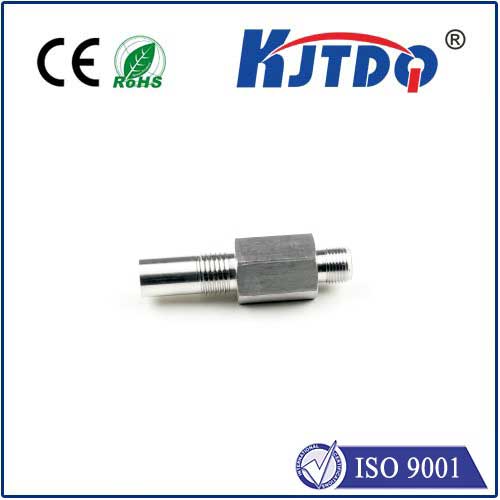
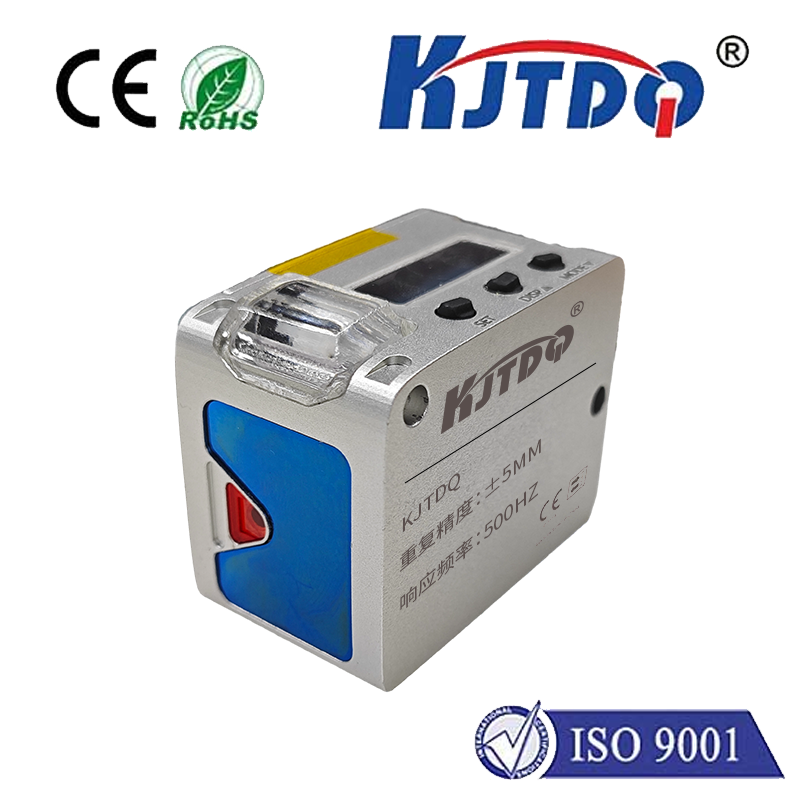
In the world of industrial automation and machinery, precision and reliability are not just preferences; they are absolute necessities. Among the myriad of components that ensure seamless operation, the photoelectric switch stands as a critical sentinel. Specifically, the E3F-DS10B2 model has carved out a significant reputation for itself. This comprehensive guide delves into the features, applications, and advantages of the E3F-DS10B2 photoelectric switch, providing essential insights for engineers, system integrators, and procurement specialists.
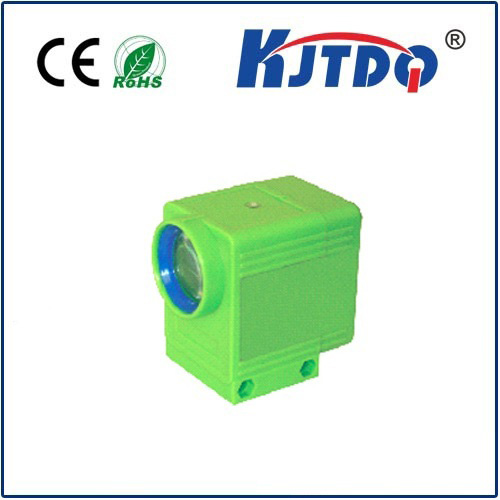
The E3F-DS10B2 is a diffuse reflective photoelectric sensor. Its operating principle is elegantly simple yet profoundly effective. The device houses both a light emitter and a receiver within a single unit. It emits a beam of light, typically infrared or visible red, towards a target. When this beam strikes an object, it diffuses and reflects back to the receiver. The sensor detects this reflected light and triggers an output signal. This diffuse reflective design eliminates the need for a separate reflector, simplifying installation and setup in countless scenarios.
One of the standout characteristics of the E3F-DS10B2 is its robust sensing distance. Engineered for versatility, it offers a reliable detection range suitable for a wide array of medium-range applications. This capability ensures consistent performance whether detecting the presence of a product on a conveyor belt, verifying the position of a machine part, or counting items as they pass by. The housing is typically constructed from durable, industrial-grade materials, offering resistance to common environmental challenges like dust, minor splashes, and mechanical impact, which is crucial for maintaining uptime in demanding factory settings.
The electrical specifications of the E3F-DS10B2 are designed for broad compatibility. It commonly operates on a DC voltage range, making it easy to integrate into standard control systems. The output is often in the form of a transistor (NPN or PNP configurations are available), providing a solid-state switch that is fast, reliable, and has a long operational life compared to mechanical relays. This output can seamlessly interface with Programmable Logic Controllers (PLCs), motor starters, and other control circuitry.
Practical applications for this sensor are virtually limitless within industrial environments. On packaging lines, it ensures cartons are correctly positioned before sealing. In material handling, it prevents overstocking by detecting when a storage chute is full. Assembly robots use such sensors to confirm a component is in place before proceeding with the next operation. The E3F-DS10B2 is also frequently employed in safety interlocks, where its non-contact nature provides a wear-free method to ensure guards are closed or personnel are clear of a hazard zone.
Selecting and installing the E3F-DS10B2 requires attention to detail for optimal performance. The sensor's performance can be influenced by the color, surface texture, and material of the target object. Light-colored, matte surfaces provide the best reflectivity, while dark or shiny objects may require adjustment or a different sensing mode. Proper alignment is less critical than with through-beam sensors but is still important. Many models feature a visible red sensing beam or a stability indicator LED, which greatly aids in alignment and troubleshooting during commissioning.
When compared to other sensing technologies like inductive proximity sensors or ultrasonic sensors, the E3F-DS10B2 photoelectric switch offers distinct benefits. It can detect virtually any material—plastic, wood, glass, metal, or liquid—as long as it is not completely transparent to the sensor's light wavelength. This universality makes it an incredibly flexible tool. Furthermore, its non-contact operation means there is no physical wear on the sensor or the target, leading to lower maintenance costs and higher long-term reliability.
In conclusion, the E3F-DS10B2 photoelectric switch represents a cornerstone of modern industrial sensing. Its blend of reliable diffuse reflective technology, durable construction, and easy integration makes it a go-to solution for engineers seeking to enhance automation efficiency and reliability. Understanding its capabilities and optimal application practices is key to unlocking its full potential, ensuring machines run smarter, production flows smoother, and operational goals are consistently met.