Проверка
Проверка
Проверка
Проверка
Проверка
Проверка
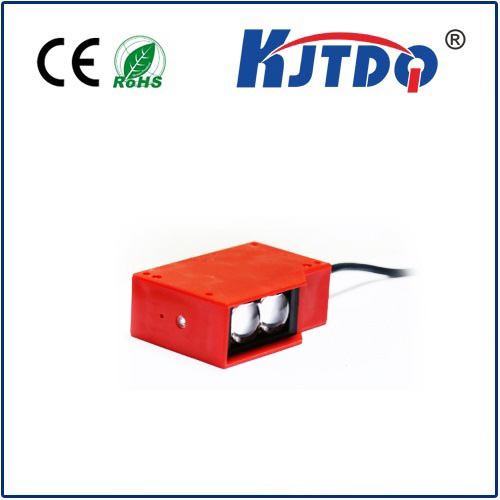
In the fast-paced world of industrial automation, reliability and precision are not just desirable traits; they are absolute necessities. Downtime caused by faulty sensors can lead to significant production losses and operational headaches. This is where the EV18-LAS/32/59/92 photoelectric switch stands out, offering a robust and dependable solution for countless detection applications. Engineered for performance, this sensor is designed to deliver consistent results in challenging environments.
The EV18-LAS/32/59/92 is a through-beam photoelectric sensor. This design features a separate emitter and receiver unit. The emitter projects a focused beam of light, which is then captured by the receiver positioned directly opposite. An object is detected when it interrupts this light beam. This principle offers distinct advantages, including very long sensing ranges and high immunity to environmental factors like dust, steam, or target surface characteristics. Whether the object is transparent, reflective, or opaque, if it breaks the beam, it is reliably detected.
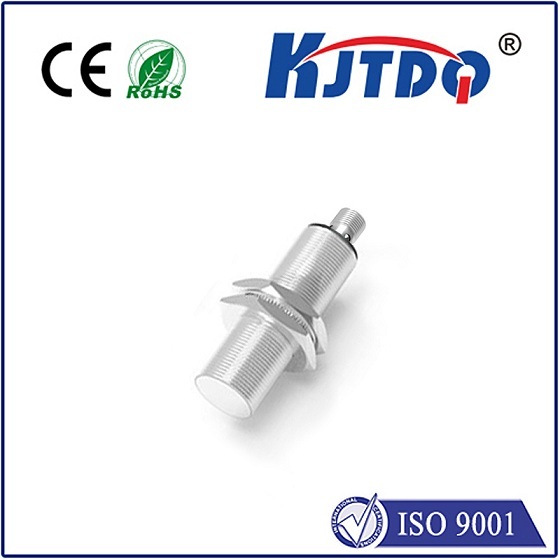
One of the core strengths of the EV18-LAS/32/59/92 model lies in its specific technical configuration. The "32" typically denotes a 3-meter range capability, providing flexibility for installations where components are spaced apart. The housing is built to withstand the rigors of industrial settings. Its compact yet durable design ensures it can handle vibrations, minor impacts, and exposure to common workshop contaminants. Many units in this series feature an IP67 rating, meaning they are completely protected against dust and can withstand temporary immersion in water, making them suitable for washdown areas or outdoor use.
Installation and integration are straightforward. The sensor often comes with pre-wired cables or quick-disconnect connectors, simplifying the wiring process and reducing maintenance time. Alignment of the through-beam components is critical, but modern designs often incorporate visual indicators like alignment LEDs. A steady light on both the emitter and receiver confirms perfect alignment, ensuring optimal performance from the moment of setup. This user-friendly approach minimizes errors during installation.
The applications for the EV18-LAS/32/59/92 are extensive. In packaging lines, it can accurately count boxes, detect missing items on a conveyor, or control the filling level of containers. In material handling, it is perfect for position sensing on automated guided vehicles (AGVs), detecting the presence of pallets, or ensuring safe door operation. Within the automotive industry, it plays a crucial role in robotic assembly, part verification, and machine guarding. Its reliability makes it a cornerstone for object detection, counting, and positioning tasks.
When selecting a photoelectric switch, considering the operating environment is key. The EV18-LAS/32/59/92 is particularly effective in situations where other sensor types might struggle. For example, in areas with high levels of ambient light or where the target object has a difficult-to-sense surface, the focused beam of a through-beam sensor provides a clear advantage. Its insensitivity to color and surface finish translates to fewer false triggers and more stable system operation.
Maintenance is minimal, contributing to a lower total cost of ownership. The solid-state design has no moving parts to wear out, and the rugged housing protects the internal electronics. Regular cleaning of the lenses to remove dust or grime is typically all that is required to maintain peak performance over many years of service. This durability ensures a strong return on investment by reducing replacement frequency and unplanned stoppages.
For system integrators and plant engineers, choosing the right component is a critical decision. The EV18-LAS/32/59/92 photoelectric switch represents a blend of proven technology and practical design. It delivers the accuracy needed for modern automation while offering the resilience demanded by industrial environments. By ensuring precise detection, it enhances overall equipment effectiveness (OEE), supports lean manufacturing goals, and contributes to a smoother, more profitable production flow. Its performance is a testament to the importance of quality sensing in building intelligent and efficient automated systems.