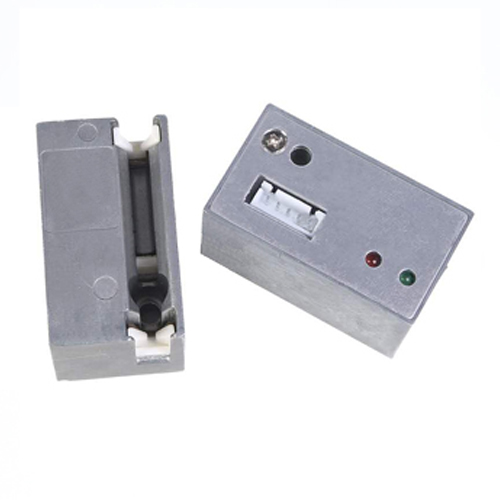
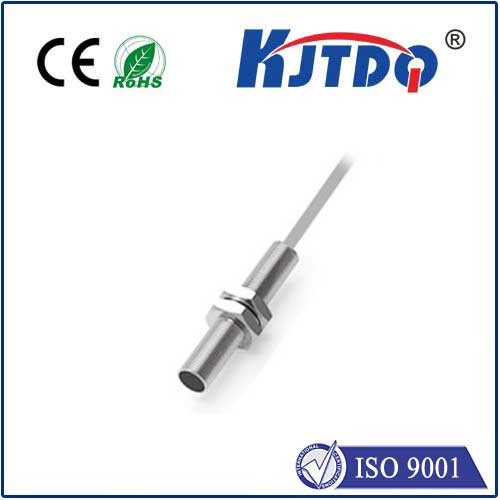
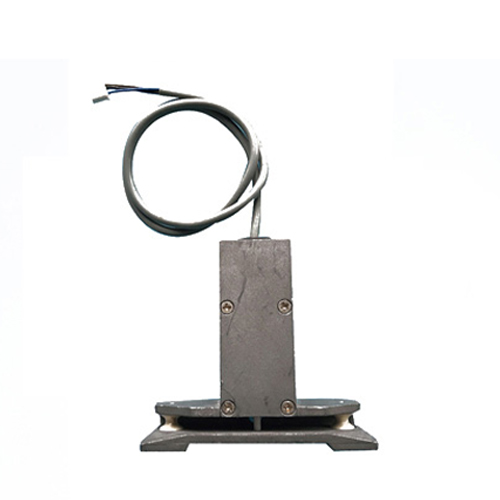
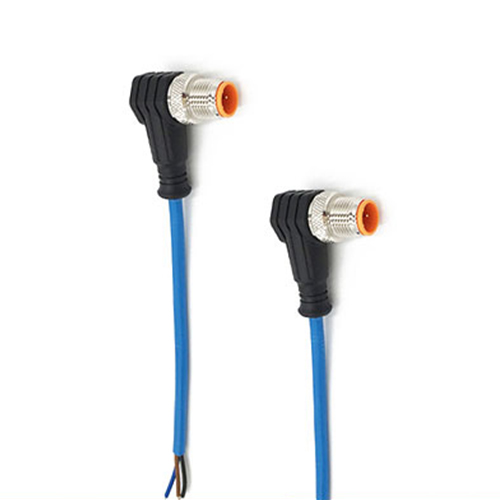
In the intricate world of industrial automation, the reliability of every single component dictates the efficiency and safety of the entire system. Among these critical components, photoelectric switches stand as silent sentinels, enabling non-contact detection of objects with precision. The 3Z-LL81 photoelectric switch emerges as a standout solution in this category, designed to meet the rigorous demands of modern manufacturing, packaging, and material handling applications. This guide delves into the core features, operational principles, and practical benefits of the 3Z-LL81, providing a comprehensive understanding of its role in enhancing operational workflows.
At its heart, the 3Z-LL81 is a through-beam photoelectric sensor. This design consists of two separate units: a transmitter and a receiver. The transmitter emits a focused beam of light, typically infrared or visible red, which is then captured by the receiver positioned directly opposite. An object is detected when it physically interrupts this light beam. This method is renowned for its long sensing distances, high accuracy, and exceptional reliability, as it is less susceptible to the color, reflectivity, or surface finish of the target object. The 3Z-LL81 leverages this principle to offer stable performance even in challenging industrial environments.
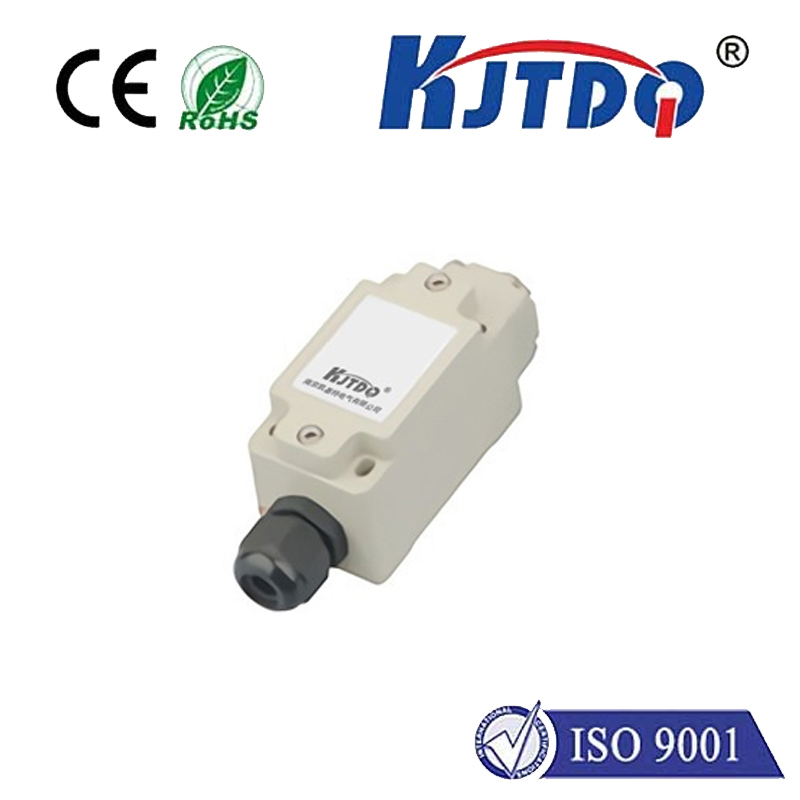
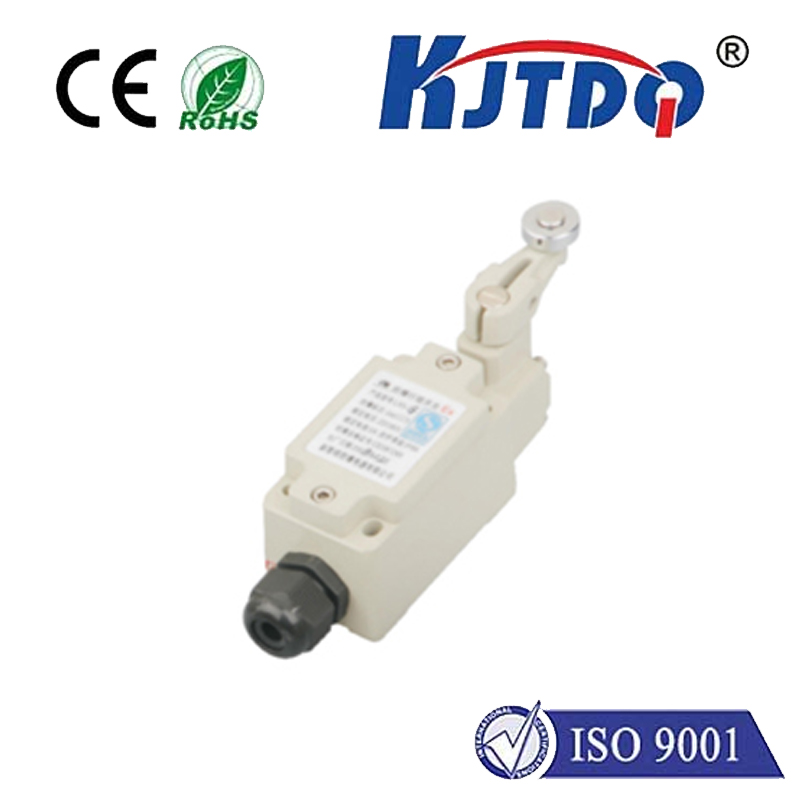
The construction of the 3Z-LL81 is a testament to its durability. Housed in a robust, often metal or high-grade plastic casing, it is built to withstand common industrial hazards such as dust, moisture, and mechanical vibrations. Many models come with an IP67 or higher ingress protection rating, meaning they are dust-tight and can withstand temporary immersion in water. This makes the 3Z-LL81 perfectly suited for washdown areas in food and beverage processing or outdoor applications where exposure to the elements is a concern.
One of the key advantages of the 3Z-LL81 photoelectric switch is its versatility in application. It is extensively used for precise object counting on high-speed conveyor belts, ensuring accurate inventory management. In automated assembly lines, it provides crucial presence detection for robotic arms, preventing collisions and ensuring parts are correctly positioned. Furthermore, it serves as a vital safety component in machinery guarding systems, where its beam can create an invisible safety curtain; if the beam is broken, the machinery halts immediately, protecting personnel from harm.
Installation and alignment of a through-beam sensor like the 3Z-LL81 are straightforward but crucial for optimal performance. The transmitter and receiver must be precisely aligned to ensure the beam is correctly received. Many units feature built-in alignment indicators, such as LED lights that change color or brightness when optimal alignment is achieved. This user-friendly design significantly reduces setup time and minimizes errors. Once installed, these sensors require minimal maintenance, offering a long service life and contributing to lower total cost of ownership.
When integrating the 3Z-LL81 into a control system, its output compatibility is a major consideration. It typically provides a digital switch signal, often in the form of a transistor (NPN or PNP) or relay output. This allows it to interface seamlessly with Programmable Logic Controllers (PLCs), motor drives, and other standard industrial control equipment. The ability to connect directly to these systems enables rapid response times, which is essential for high-speed automation tasks.
Comparing the 3Z-LL81 to other sensing technologies like proximity sensors or diffuse reflective photoelectric switches highlights its specific strengths. While capacitive or inductive proximity sensors only detect metallic objects at shorter ranges, the 3Z-LL81 can detect any opaque material—plastic, wood, glass, or metal—over much longer distances. Unlike diffuse sensors, which rely on light reflecting back from the target, the through-beam design is unaffected by the target's color or reflectivity, providing more consistent detection of varied objects.
In conclusion, the 3Z-LL81 photoelectric switch represents a blend of robust engineering, reliable performance, and practical application design. Its through-beam operation ensures high-precision detection across a wide range of materials and conditions, making it an indispensable tool for engineers and system integrators. By providing a dependable signal for control systems, it enhances productivity, ensures safety, and reduces downtime. For any operation seeking to improve the accuracy and reliability of its object detection processes, the 3Z-LL81 stands as a proven and trustworthy choice, capable of delivering consistent results day in and day out.