In the complex and demanding world of industrial automation, the reliability of every single component is paramount. Downtime is not an option, and precision is the currency of efficiency. At the heart of countless automated systems, performing the critical task of non-contact object detection, is a specific type of sensor: the photoelectric switch. Among these, the GLV18-8-400-S/115/120 model stands out as a benchmark for durability, accuracy, and versatility in challenging environments. This device is not just another sensor; it is a meticulously engineered solution designed to deliver consistent performance where it matters most.
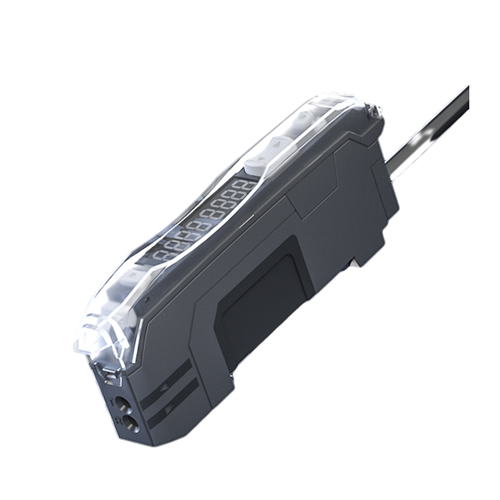
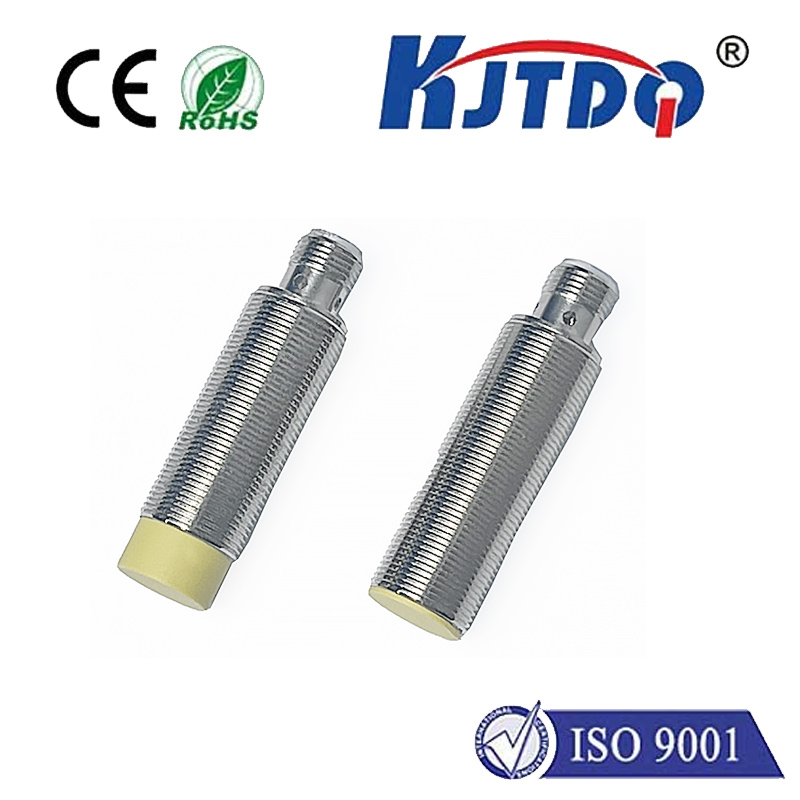
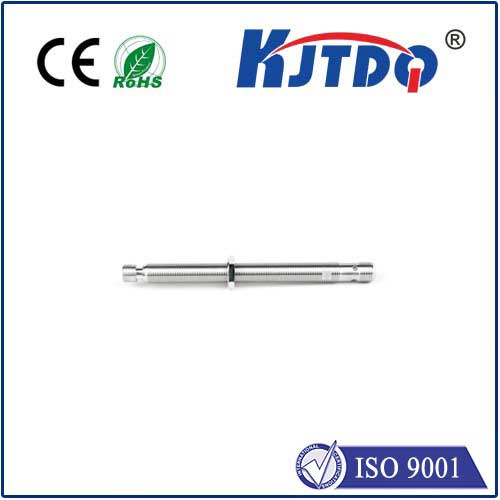
The GLV18-8-400-S/115/120 is a cylindrical, threaded-barrel photoelectric switch built to the robust 18mm diameter form factor. The "8" in its designation typically refers to a sensing distance, in this case, 8 meters for the through-beam version, offering exceptional range for long-distance detection tasks. The "400" often indicates a switching frequency or a related performance specification, suggesting a fast response time suitable for high-speed production lines. The suffix "/115/120" is crucial, denoting its operating voltage range. This model is designed to function seamlessly on both 115VAC and 120VAC power supplies, providing broad compatibility with standard industrial power systems in various regions, particularly in North America. This dual-voltage capability eliminates the need for additional converters or concerns about voltage mismatches, simplifying installation and inventory management.
What truly sets the GLV18-8-400-S/115/120 apart is its through-beam sensing principle. This method employs a separate transmitter and receiver unit. The transmitter projects a focused beam of light—often infrared for immunity to ambient light—directly to the receiver. An object is detected when it interrupts this beam. This principle offers the longest possible sensing range and the highest reliability, as it is largely unaffected by the object's color, reflectivity, or surface finish. Whether detecting clear glass bottles, dark rubber belts, or metallic components, the GLV18-8-400-S/115/120 performs with unwavering certainty. Its high environmental resistance, typically featuring an IP67 or higher rating, means it is protected against dust ingress and temporary immersion in water, making it ideal for washdown areas in food and beverage processing or dusty manufacturing floors.
The applications for this photoelectric switch are vast and varied. In packaging machinery, it ensures precise carton counting and product presence verification. On conveyor systems, it monitors material flow and triggers sorting mechanisms. In automotive assembly lines, it confirms the placement of parts before a robotic weld. In material handling, it safeguards automated guided vehicles (AGVs) by detecting obstacles. The long 8-meter range is particularly beneficial for large-scale applications like warehouse door monitoring, palletizing systems, and overhead crane positioning, where sensors need to cover significant distances reliably.
Installation and integration of the GLV18-8-400-S/115/120 are straightforward, thanks to its standard M18 threaded barrel, which allows for easy mounting in a drilled hole with a matching nut. Many models come with built-in LED indicators for power and output status, providing immediate visual feedback for setup and troubleshooting. The robust housing, often made of nickel-plated brass or stainless steel, ensures mechanical strength and corrosion resistance. When selecting this sensor, engineers appreciate its resilience to electrical noise and temperature fluctuations, common challenges in industrial settings that can cause less robust sensors to fail.
Choosing the right photoelectric switch is a critical decision that impacts overall system uptime and productivity. The GLV18-8-400-S/115/120 model represents a smart investment in operational stability. Its specification—combining long range, fast response, dual-voltage operation, and rugged construction—makes it a versatile and dependable choice for system integrators and maintenance engineers. It addresses the core need for a sensor that works consistently, day in and day out, without requiring constant adjustment or replacement. For operations seeking to minimize unplanned stops and maximize output quality, incorporating reliable components like this photoelectric switch is a fundamental strategy. It is more than a part; it is a pillar of a resilient and efficient automation architecture.