In the rapidly evolving landscape of industrial automation, precision, reliability, and durability are non-negotiable. The GD18/115 photoelectric switch stands as a testament to these core principles, offering a robust solution for object detection, positioning, and counting across diverse applications. This compact yet powerful sensor is engineered to deliver consistent performance in challenging environments, making it an indispensable component in modern manufacturing, packaging, material handling, and assembly lines.
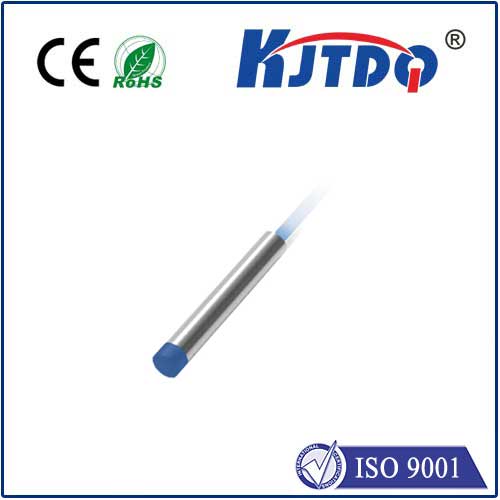
The GD18/115 photoelectric switch operates on a fundamental principle: it emits a beam of light (typically infrared, red, or laser) from its transmitter. The receiver then detects the presence or absence of this light beam. Objects are sensed when they interrupt or reflect this beam, depending on the operational mode. The "GD18/115" designation often refers to a specific housing size and thread type, with "18" likely indicating an 18mm diameter cylindrical housing, a common and versatile form factor for easy installation in standard mounting holes. This design ensures seamless integration into existing machinery and control systems.
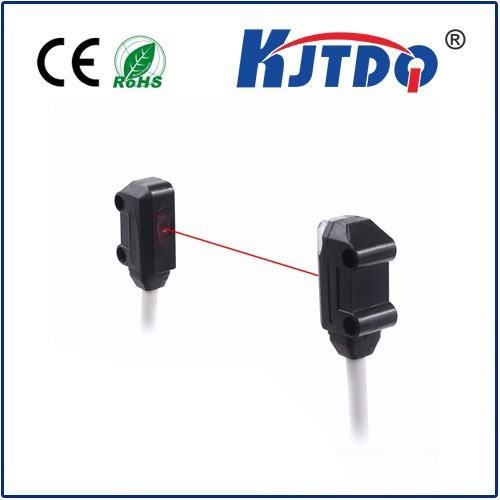
One of the primary advantages of the GD18/115 is its operational versatility. It is commonly available in three main sensing modes: through-beam, retro-reflective, and diffuse reflective. Through-beam models offer the longest sensing ranges and highest reliability, with separate emitter and receiver units. Retro-reflective types use a single unit and a reflector, providing a good balance of range and convenience. Diffuse reflective (or proximity) sensors detect objects by reflecting light directly off the target, ideal for close-range applications where mounting opposite units is impractical. This flexibility allows engineers to select the perfect configuration for specific tasks, from detecting transparent bottles on a conveyor to ensuring precise positioning in robotic arms.
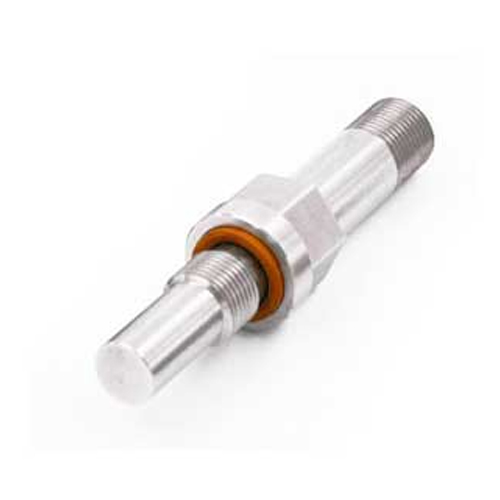
Durability is a cornerstone of the GD18/115's design. Constructed with high-grade materials such as nickel-plated brass or stainless steel housings and tempered glass lenses, these switches are built to withstand industrial rigors. They typically feature high ingress protection ratings like IP67, making them resistant to dust, water jets, and oil splashes. This resilience ensures minimal downtime and maintenance, even in harsh conditions like automotive plants, food processing facilities, or outdoor logistics hubs. The robust construction directly translates to lower total cost of ownership and increased production line uptime.
Integration into complex automated systems is straightforward. The GD18/115 photoelectric switch usually provides a digital output signal (e.g., NPN or PNP transistor output) that is directly compatible with Programmable Logic Controllers (PLCs), industrial PCs, and other control units. This plug-and-play capability accelerates system setup and modification. Many models also feature adjustable sensitivity, time delays, and light-on/dark-on operation modes, allowing for fine-tuning to detect objects of varying colors, sizes, and surface textures with exceptional accuracy. This programmability prevents false triggers and enhances overall system intelligence.
The impact of implementing reliable sensors like the GD18/115 is profound. In packaging, they ensure correct box filling and label placement. In automotive assembly, they verify the presence of components before a robotic weld. In material handling, they count items and control conveyor flow. By providing a precise, non-contact method of detection, these switches contribute to higher product quality, reduced waste, optimized throughput, and enhanced worker safety by replacing manual checks or mechanical limit switches that are prone to wear.
When selecting a photoelectric switch for a critical application, specifications matter. Key parameters to consider alongside the GD18/115 form factor include sensing distance, response time, light source type, and output configuration. It is crucial to match the sensor's capabilities to the environmental challenges, such as ambient light interference, target material, and required speed. Consulting with technical specialists or referring to detailed datasheets ensures the chosen model, whether a standard GD18/115 or a variant with specialized features, delivers optimal performance for the task.
In conclusion, the GD18/115 photoelectric switch represents more than just a component; it is a vital enabler of efficiency and precision in automated systems. Its robust design, operational flexibility, and reliable performance make it a trusted choice for engineers worldwide. As industries continue to advance towards smarter, more connected factories (Industry 4.0), the role of such dependable sensing technology becomes increasingly central. Investing in high-quality photoelectric switches like the GD18/115 is a strategic step toward building resilient, productive, and future-ready industrial operations.