Проверка
Проверка
Проверка
Проверка
Проверка
Проверка
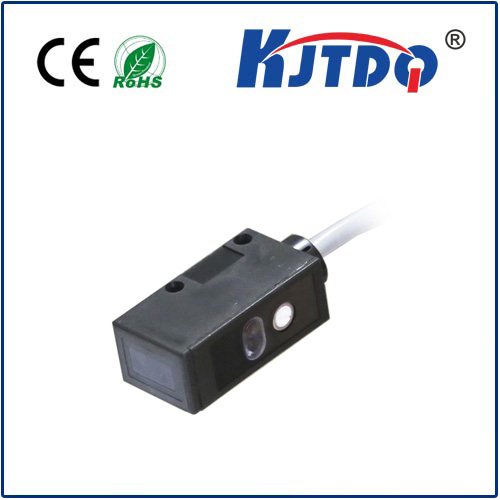
In the world of industrial automation, precision and reliability are non-negotiable. The LA28/LK28-Z-F2/31/116 photoelectric switch stands as a testament to this principle, offering a robust solution for countless sensing applications. This comprehensive guide delves into the features, applications, and benefits of this specific sensor model, explaining why it remains a preferred choice for engineers and system integrators globally.
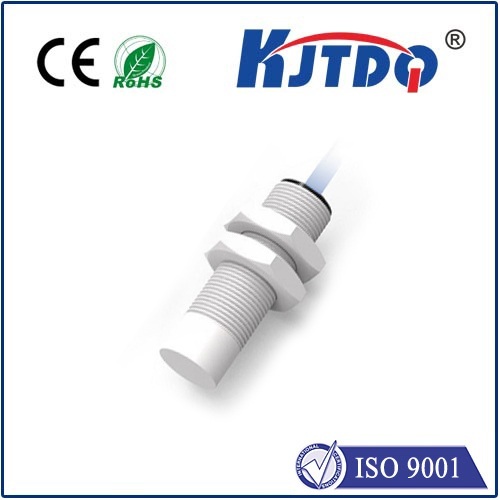
At its core, the LA28/LK28-Z-F2/31/116 is a through-beam photoelectric sensor. This model designation provides key information about its specifications. The "LA28" typically refers to the receiver unit, while "LK28" indicates the emitter. The "Z" often signifies a particular housing style or form factor, commonly a cylindrical, threaded barrel design known for easy mounting and durability. The "F2" usually denotes the light source type; in this case, it is a red light LED. The "31" frequently relates to the sensing distance, which for this model is 3 meters (or approximately 10 feet). Finally, the "116" is often a variant code indicating specific electrical characteristics, such as a normally open (NO) or normally closed (NC) contact configuration, typically a DC 3-wire NPN output.
The through-beam design is one of the most reliable sensing methods available. It consists of two separate units: an emitter that projects a focused beam of light and a receiver positioned directly opposite. An object is detected when it interrupts this light beam. This method allows for the longest sensing ranges and provides high immunity to environmental factors like target color, reflectivity, or surface finish. The 3-meter range of the LA28/LK28-Z-F2/31/116 makes it ideal for applications requiring detection across conveyors, entry/exit points, or machinery guards.
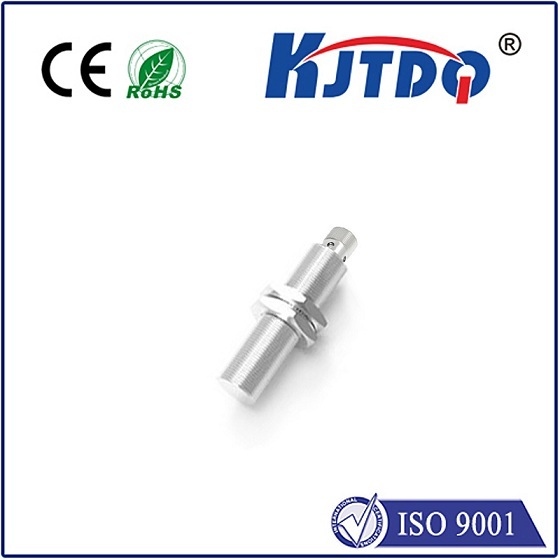
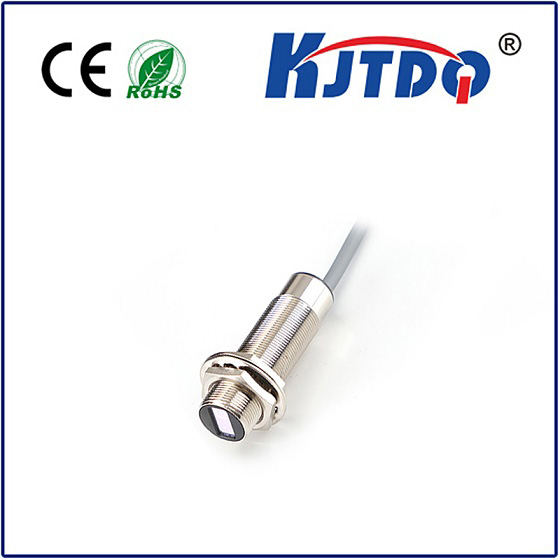
Durability is a hallmark of this sensor series. Housed in a sturdy metal or high-grade plastic barrel, it is built to withstand the rigors of industrial environments. Many models feature an IP67 protection rating, making them dust-tight and capable of withstanding temporary immersion in water. This resilience ensures consistent operation in settings with moisture, oil, coolant spray, or particulate matter. The threaded barrel allows for secure and adjustable mounting using standard locknuts, facilitating precise alignment of the emitter and receiver, which is crucial for optimal through-beam performance.
Electrical integration is straightforward. The DC 3-wire NPN output (as suggested by the "116" variant) is a standard in programmable logic controller (PLC) and automation circuitry. It provides a switching signal that is easily interpreted by control systems. The sensor typically operates on a low-voltage DC supply, commonly 10-30V DC, ensuring safe and energy-efficient operation. A status LED is almost always included, providing immediate visual feedback for power and output state, which is invaluable during installation, troubleshooting, and routine maintenance.
The applications for the LA28/LK28-Z-F2/31/116 are vast and varied across industries. In packaging and material handling, it is used for precise object counting, jam detection on conveyor lines, and verifying the presence of boxes or products. Within the automotive sector, these sensors monitor part positioning in assembly robots, confirm door or hood closure, and control automated welding processes. They are also fundamental in security systems for perimeter monitoring, in woodworking for lumber positioning, and in food and beverage production for bottle/can detection on filling lines. Their reliability in detecting transparent objects, like glass or plastic bottles, is a significant advantage over other sensor types.
Selecting and implementing this sensor requires attention to detail. Proper alignment is critical; even a slight misalignment can cause unreliable detection or complete failure. Using alignment tools or laser pointers built into some models can simplify this process. The operating environment must also be considered. While robust, extremely heavy contamination on the lenses can attenuate the light beam. Regular cleaning may be necessary in very dirty conditions. Furthermore, understanding the electrical load requirements of your control system is essential to ensure compatibility with the sensor's NPN sinking output.
When compared to other sensing technologies like inductive proximity sensors (which only detect metals) or ultrasonic sensors, the LA28/LK28-Z-F2/31/116 photoelectric switch offers a unique blend of long-range, high-speed response, and material versatility. Its through-beam principle provides the highest possible positional accuracy and consistency, which is why it remains a fundamental component in designing efficient, safe, and productive automated systems. For engineers seeking a proven, dependable solution for object detection, this model represents a balance of performance, durability, and ease of use that has been validated in real-world operations for years.