Проверка
Проверка
Проверка
Проверка
Проверка
Проверка
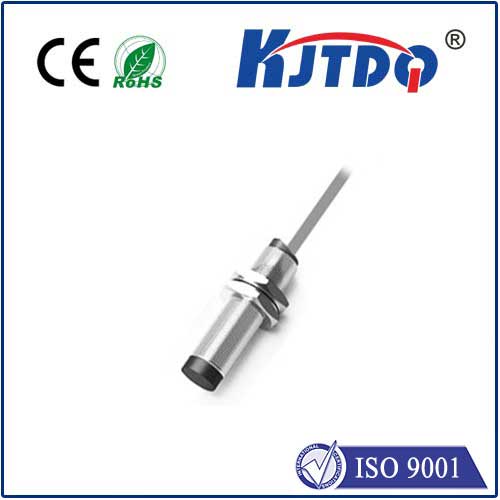
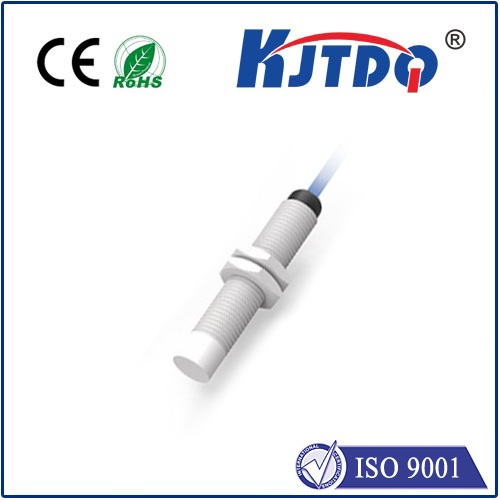
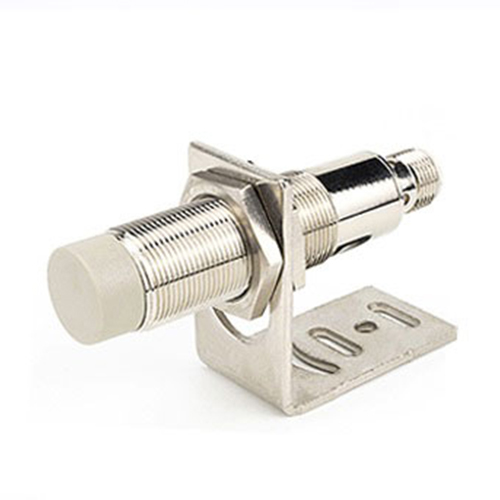
In the rapidly evolving landscape of industrial automation, the demand for reliable, precise, and durable sensing components is paramount. The GA18/115 photoelectric switch stands out as a critical component in this domain, offering a robust solution for a wide array of detection and control applications. This cylindrical, threaded housing sensor, typically measuring 18mm in diameter and 115mm in length, is engineered to deliver consistent performance in challenging industrial environments.
The core functionality of the GA18/115 photoelectric switch lies in its ability to detect the presence, absence, or distance of an object using a light beam. It operates primarily in three modes: through-beam, retro-reflective, and diffuse reflective. The through-beam model, consisting of separate emitter and receiver units, offers the longest sensing range and highest reliability, as it requires the object to physically break the beam. The retro-reflective type uses a single unit that emits light towards a reflector; detection occurs when the reflected beam is interrupted. The diffuse reflective variant detects objects by measuring the light scattered back from the target itself, making it suitable for applications where installing a reflector is impractical.
Constructed with a sturdy metal or high-grade plastic housing, the GA18/115 is designed to withstand harsh conditions commonly found in manufacturing plants, packaging lines, and material handling systems. Its IP67 or higher ingress protection rating ensures resistance against dust and temporary immersion in water, guaranteeing operational integrity. The device typically operates on a standard DC voltage range (e.g., 10-30V DC) and provides both NPN (sinking) and PNP (sourcing) output configurations to seamlessly interface with various programmable logic controllers (PLCs), relays, and other control systems. Key technical specifications often include a adjustable sensing range, fast response time in milliseconds, and a built-in LED indicator for status monitoring.
The application scope for the GA18/115 photoelectric sensor is extensive. In conveyor belt systems, it is indispensable for precise object counting, jam detection, and position verification. Within automated assembly lines, it ensures components are correctly positioned before robotic arms execute tasks. In packaging machinery, it detects labels, verifies fill levels, and monitors product flow. Furthermore, its use extends to security systems for door control and intrusion detection, as well as in the automotive industry for part presence verification. The device's high immunity to ambient light interference and stable performance across temperature variations make it a versatile choice.
When selecting a GA18/115 photoelectric switch, several factors must be considered to ensure optimal performance. The nature of the target object—its color, material, size, and surface texture—directly influences the choice of sensing mode. For instance, detecting transparent objects may require a polarized retro-reflective sensor. The required sensing distance and environmental factors like vibration, humidity, and chemical exposure are also critical. Proper installation is equally important; ensuring precise alignment in through-beam setups and maintaining a clean lens free from dirt or condensation are essential for long-term reliability. Regular maintenance, including periodic cleaning and functional checks, helps prevent unexpected downtime.
Compared to other sensing technologies like inductive or capacitive proximity sensors, photoelectric switches offer the distinct advantage of non-contact detection over longer distances and the ability to sense a wider variety of materials, including non-metals. The GA18/115 model, with its standardized form factor, provides an excellent balance of performance, durability, and ease of integration. As Industry 4.0 and smart manufacturing initiatives advance, the role of such precise and communicative sensors becomes even more central, forming the foundational layer of data acquisition for automated decision-making and process optimization.