Проверка
Проверка
Проверка
Проверка
Проверка
Проверка
In the rapidly evolving landscape of industrial automation, the demand for reliable, precise, and durable sensing solutions is paramount. Among the myriad of components that form the backbone of modern production lines, the photoelectric switch stands out as a critical element for non-contact detection. The EM-F-TJ series photoelectric switch represents a significant advancement in this field, offering engineers and system integrators a robust tool to enhance operational efficiency and safety.
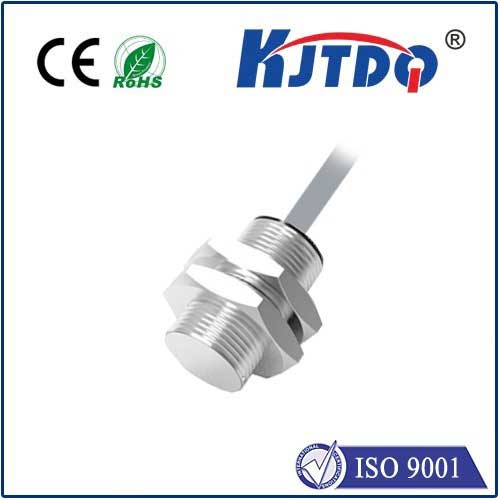
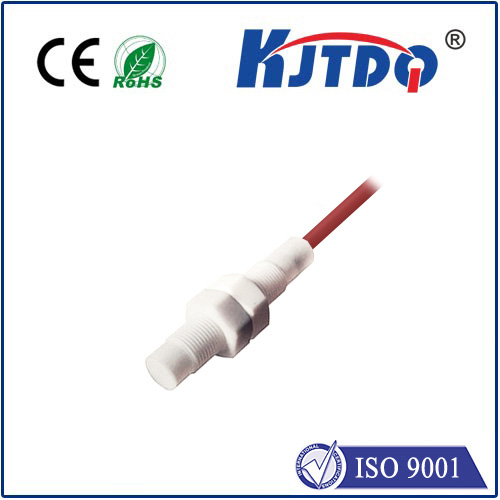
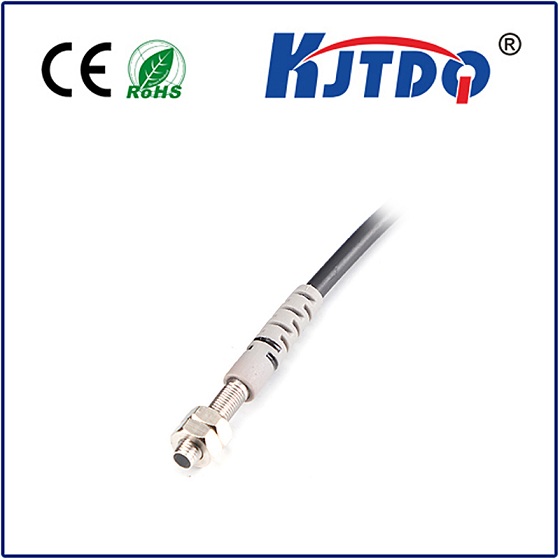
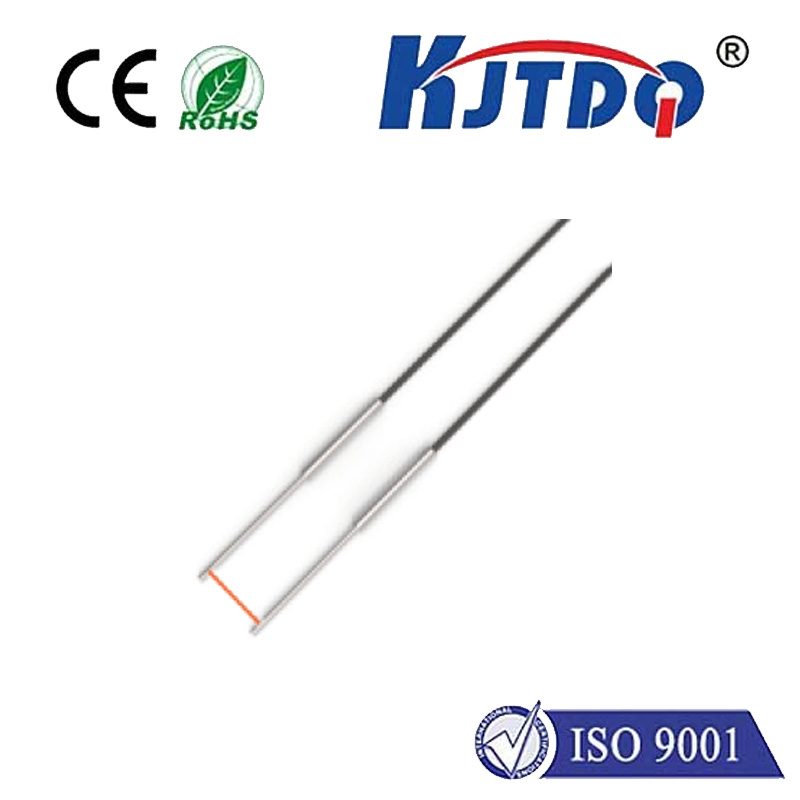
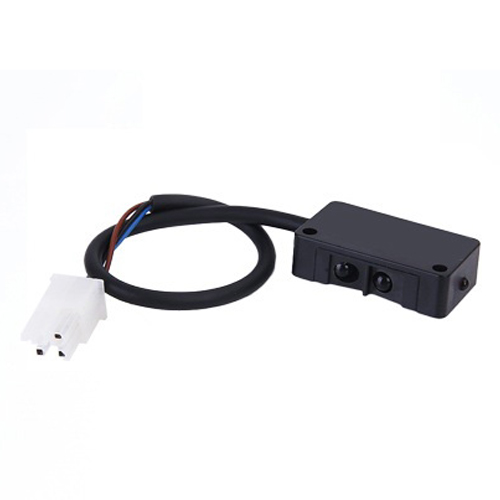
The core principle behind the EM-F-TJ photoelectric switch is the use of modulated infrared light to detect the presence, absence, or position of an object without physical contact. This non-invasive method eliminates mechanical wear and tear, significantly extending the operational lifespan of both the sensor and the machinery it monitors. The "EM-F-TJ" designation typically refers to a specific model featuring a compact, tubular housing, making it suitable for installations where space is at a premium. Its through-beam sensing mode, where the emitter and receiver are separate units, provides the longest and most reliable sensing distance within the photoelectric switch family, capable of stable operation even in environments with potential interference.
One of the standout features of the EM-F-TJ switch is its exceptional environmental resilience. Engineered with high-quality materials, it boasts an impressive IP67 rating for ingress protection. This means it is completely dust-tight and can withstand temporary immersion in water up to one meter deep. Consequently, it performs flawlessly in challenging conditions common to industries such as automotive manufacturing, packaging, material handling, and food processing, where exposure to dust, moisture, oil mist, or vibration is routine. The housing is often constructed from nickel-plated brass or stainless steel, providing excellent resistance to corrosion and mechanical impact.
Installation and alignment of the EM-F-TJ are streamlined for efficiency. The tubular design allows for easy mounting in standard sensor brackets. For through-beam types, precise alignment of the separate emitter and receiver is crucial. Many models incorporate a visible red LED beam or a stable alignment indicator to simplify this process, reducing setup time and minimizing errors. Once aligned, the switch delivers consistent performance with high repeat accuracy, ensuring that every object on a fast-moving conveyor belt, for instance, is detected without fail. The output is typically a clean, digital signal (PNP or NPN) compatible with standard programmable logic controllers (PLCs), counters, and other control systems.
The application scope for the EM-F-TJ photoelectric switch is vast. In automated assembly lines, it is used for precise part counting, verifying the presence of components before a robotic arm engages, or detecting the end position of a sliding mechanism. In packaging machinery, it ensures that boxes are correctly positioned for sealing or labeling. Within warehouse logistics, these switches monitor the passage of items on sortation conveyors, triggering diverters to route packages to their correct destinations. Their ability to detect objects regardless of surface color, material (metal, plastic, wood, glass), or reflectivity (with proper model selection) makes them incredibly versatile.
When selecting a photoelectric switch like the EM-F-TJ for a project, several technical parameters require careful consideration. The sensing distance, or range, must be appropriate for the application. The response time, often in milliseconds, determines how fast the sensor can detect objects in high-speed processes. The light source modulation is a key feature that helps the sensor ignore ambient light interference from factory lighting or sunlight, ensuring stable operation. Additionally, options for output configuration (normally open or closed) and connection types (pre-wired cable or quick-disconnect) provide flexibility for different electrical designs.
Maintenance of the EM-F-TJ photoelectric switch is minimal but essential for sustained reliability. Regular visual inspections to ensure the lens surfaces are clean and free from obstructions like dust, grime, or label adhesive are recommended. While the device is built to be robust, verifying the tightness of mounting hardware and the integrity of electrical connections as part of a routine preventative maintenance schedule can prevent unexpected downtime. Its solid-state design means there are no moving parts to lubricate or replace, contributing to a lower total cost of ownership over time.
In conclusion, the EM-F-TJ photoelectric switch embodies the innovation driving modern industrial automation forward. By providing a non-contact, highly reliable, and environmentally hardened sensing solution, it addresses the core needs of precision, durability, and integration ease. For system designers aiming to build resilient and efficient automated processes, incorporating components like the EM-F-TJ series is a strategic step toward achieving higher productivity, improved quality control, and enhanced operational safety. Its proven performance across diverse industries makes it a trusted component in the toolkit of automation professionals worldwide.