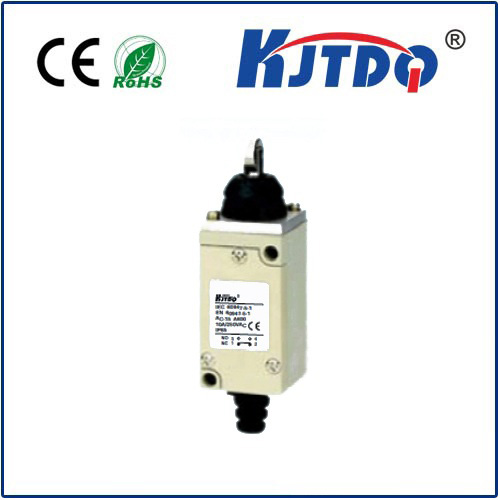
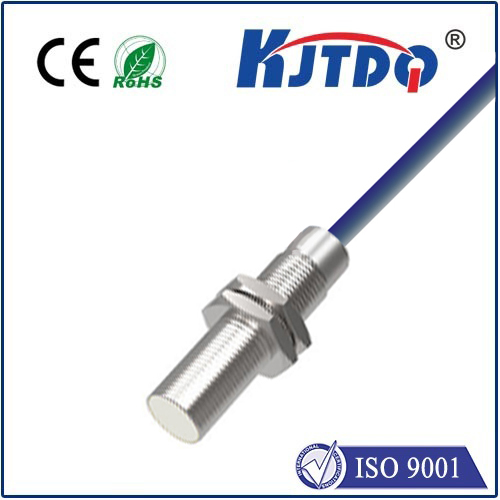
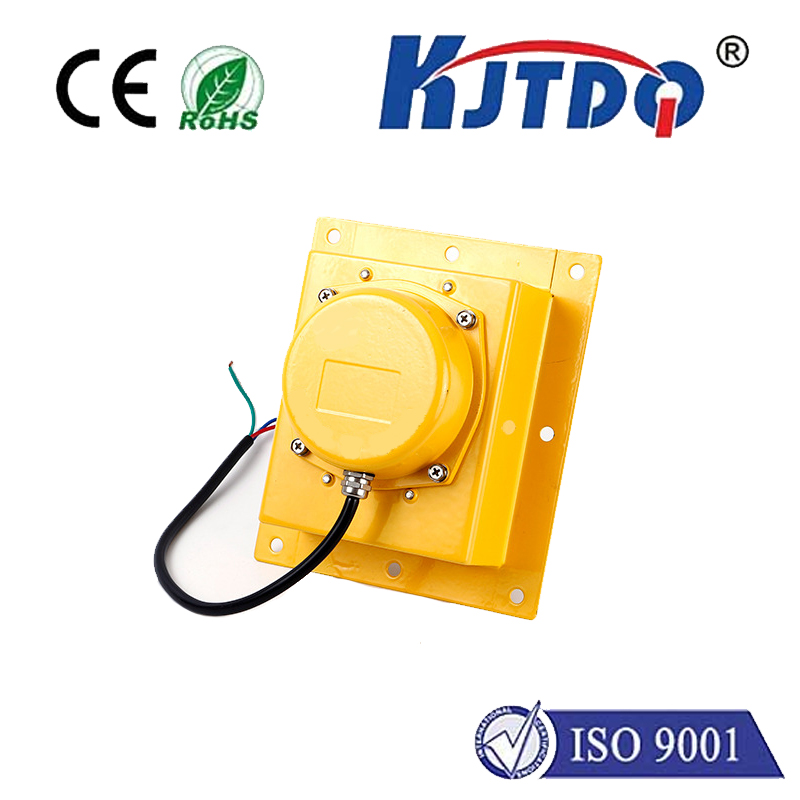
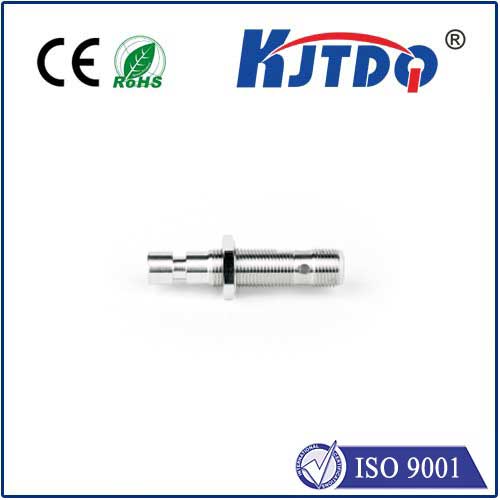
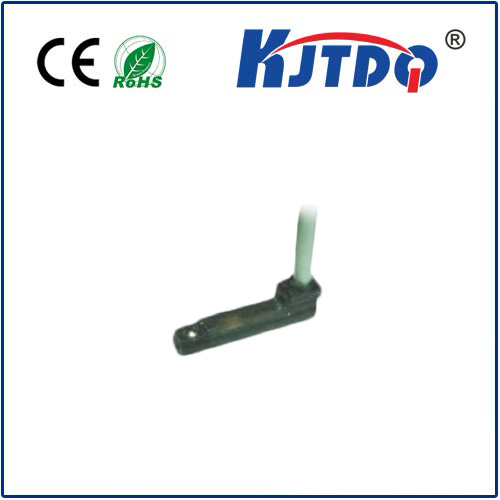
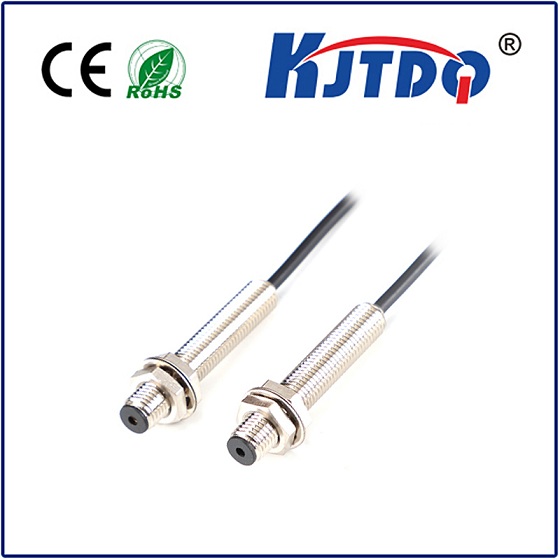
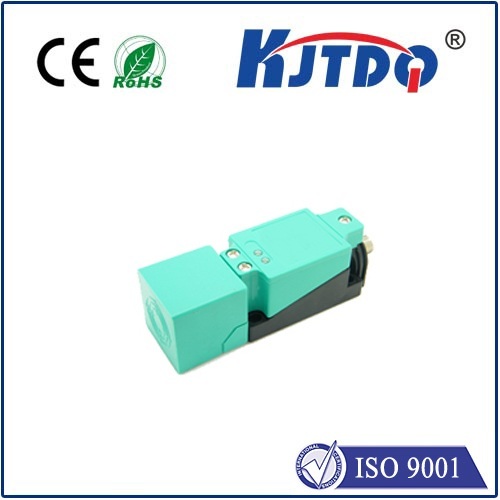
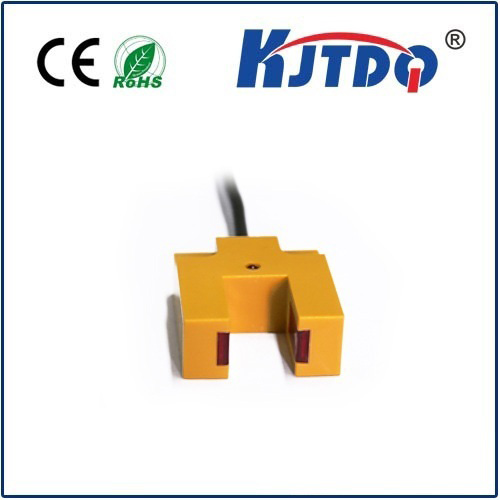
In the dynamic world of industrial automation, precision, reliability, and durability are non-negotiable. The LA28-F1/116 photoelectric switch stands as a testament to engineering excellence, designed to meet the rigorous demands of modern manufacturing, packaging, material handling, and assembly lines. This versatile sensor is not just another component; it is a critical enabler of efficiency, safety, and seamless operation.
At its core, the LA28-F1/116 is a diffuse reflective sensor. This operational principle allows it to detect objects without the need for a separate reflector. The device emits a beam of light—typically from an LED—and its built-in receiver detects the light reflected back from the target object. This design simplifies installation and reduces costs, making it an ideal choice for applications where mounting a reflector on the opposite side is impractical or impossible. The sensing range is optimized for various industrial tasks, providing consistent performance for detecting presence, position, and counting of objects on conveyor belts, in automated guided vehicles (AGVs), or at entry/exit points.
One of the defining features of the LA28-F1/116 is its robust construction. Housed in a compact, rectangular casing, it is built to withstand the harsh environments commonly found in factories. It typically offers a high degree of ingress protection (such as IP67), making it resistant to dust, water jets, and oil splashes. This resilience ensures long-term operational stability, minimizing downtime and maintenance costs. The housing material is often a high-grade plastic or metal, providing excellent resistance to mechanical impacts and chemical exposure.
The electrical characteristics of the LA28-F1/116 are tailored for seamless integration into diverse control systems. It commonly operates on a wide range of DC voltages (e.g., 10-30V DC), ensuring compatibility with standard industrial power supplies. The output is usually in the form of a solid-state NPN or PNP transistor switch, providing a clear signal to Programmable Logic Controllers (PLCs) or other control units. Many models feature a visible red or green LED indicator for easy status monitoring, allowing technicians to quickly verify operation and diagnose issues at a glance.
A key advantage lies in its adjustability. Many versions of this sensor come equipped with a potentiometer for sensitivity adjustment. This allows engineers to fine-tune the sensing range and threshold to ignore background interference or reliably detect objects with varying surface colors and reflectivity—from shiny metallic parts to dark, absorbent materials. This flexibility prevents false triggers and ensures accurate detection across a wide array of applications.
Practical applications for the LA28-F1/116 are vast. In packaging machinery, it reliably detects the presence of boxes or products for precise filling, sealing, and labeling. On assembly lines, it ensures components are correctly positioned before robotic arms engage. In palletizing systems, it confirms the presence of a layer before the next one is added. Its role in safety systems, such as detecting the correct placement of guards or the presence of an operator in a specific zone, further underscores its critical importance.
When selecting a photoelectric sensor like the LA28-F1/116, several factors must be considered. The required sensing distance, the size and material of the target objects, the ambient light conditions, and the specific environmental challenges (like dust, steam, or vibration) all play a crucial role. Consulting technical datasheets and, if necessary, the manufacturer's support team, is essential to ensure the selected model perfectly matches the application's needs.
Installation and alignment are straightforward but vital for optimal performance. The sensor should be mounted securely to avoid vibration-induced misalignment. Ensuring the lens is clean and free from obstructions is a simple yet critical maintenance step. For challenging detection scenarios—such as transparent glass or liquid-filled bottles—specialized versions or alternative sensing modes (like retro-reflective or through-beam) might be recommended, though the diffuse mode of the LA28-F1/116 handles a significant majority of common tasks with exceptional competence.
In conclusion, the LA28-F1/116 photoelectric switch represents a blend of sophisticated technology and practical design. Its reliability, environmental robustness, and user-friendly features make it an indispensable tool for engineers and system integrators aiming to build smarter, more efficient, and more reliable automated systems. By choosing a proven sensor solution like this, businesses invest in the foundational stability that drives productivity and quality in today's competitive industrial landscape.