Проверка
Проверка
Проверка
Проверка
Проверка
Проверка
In the intricate world of industrial automation, the reliability of a single component can dictate the efficiency of an entire production line. The RL28-55/47/74 photoelectric switch stands as a testament to this principle, offering a robust and precise sensing solution for demanding applications. This comprehensive guide delves into the features, applications, and critical advantages of this specific sensor model, providing essential insights for engineers and system integrators.
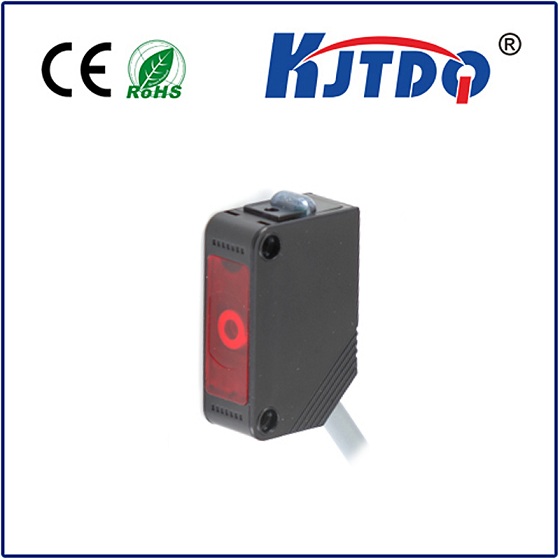
At its core, the RL28-55/47/74 is a self-contained, retro-reflective photoelectric sensor. Its operational principle is elegantly simple yet profoundly effective. The device houses both a light emitter and a receiver. It projects a modulated beam of light, typically infrared or visible red, towards a specialized reflector (corner-cube reflector). This reflector is designed to return the beam directly to its source regardless of the angle of incidence. The sensor's receiver detects this returned light. When an object interrupts this beam between the sensor and the reflector, the received signal drops, triggering an output state change. The "47" in its designation often refers to a sensing range of up to 4.7 meters, while the "74" may indicate a particular housing style or output configuration, making it suitable for medium-range detection tasks.
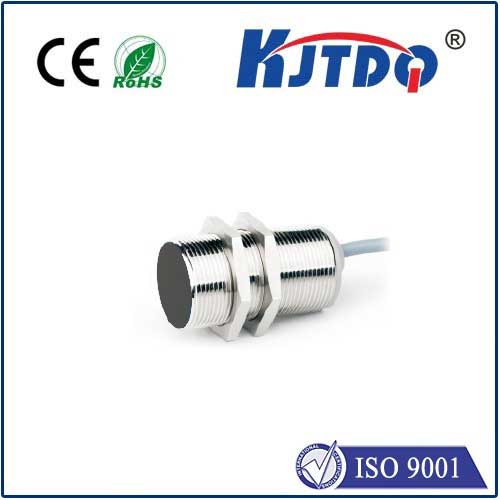
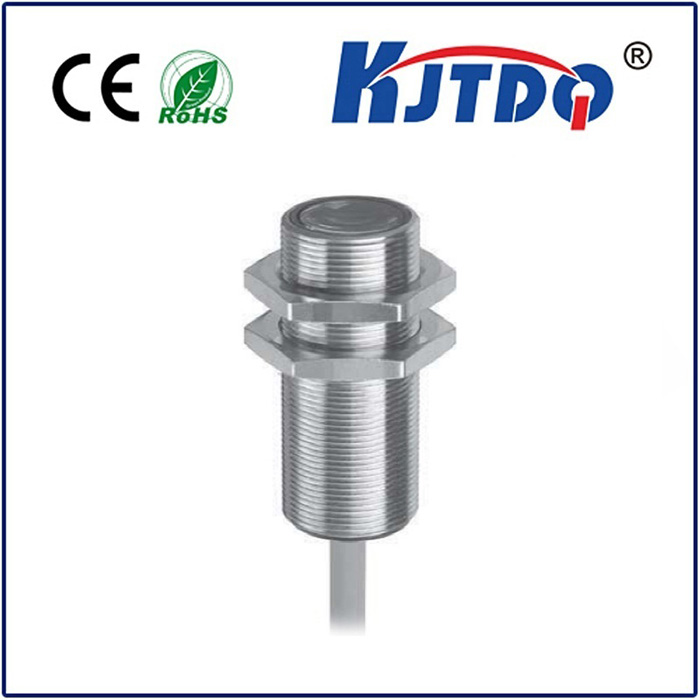
The construction of the RL28-55/47/74 is engineered for industrial resilience. It typically features a durable, cylindrical metal or high-grade plastic housing with an IP67 or higher rating, ensuring protection against dust ingress and temporary water immersion. This makes it ideal for harsh environments like packaging plants, material handling systems, and automotive assembly lines where exposure to moisture, oil, or particulate matter is common. The sensor is designed for easy installation and alignment, often incorporating a clear LED indicator that signals both power status and output activation, simplifying setup and troubleshooting.
One of the defining strengths of this photoelectric switch is its immunity to ambient light interference and its ability to detect a wide variety of objects. Unlike proximity sensors that require metallic targets, the RL28-55/47/74 can detect virtually any material—plastic, wood, glass, cardboard, or liquid—as long as it interrupts the light beam. This versatility opens its use to countless scenarios: detecting the presence of boxes on a conveyor, monitoring the level of transparent bottles, ensuring proper positioning of pallets, or counting items as they pass through a gate. Its retro-reflective design simplifies wiring and installation compared to through-beam sensors, as it requires only a single point for power and signal, with the reflector mounted opposite.
When selecting a sensor like the RL28-55/47/74, several technical parameters are paramount. The sensing range, response time, and output type (e.g., NPN, PNP, NO, NC) must align with the application's speed and control system requirements. Furthermore, features like a built-in potentiometer for sensitivity adjustment allow fine-tuning to ignore background objects or detect challenging targets like clear films. For optimal performance, correct alignment with the reflector is crucial; even a slight misalignment can significantly reduce the effective sensing range. Regular maintenance, including cleaning the lens and reflector surface from dirt and grime, is essential for long-term, fail-safe operation.
In comparison to other sensing technologies like inductive or capacitive sensors, the RL28-55/47/74 photoelectric switch provides a non-contact, long-range solution for non-metallic object detection. Its reliability and consistency help minimize downtime, reduce product waste, and enhance overall system safety. From automating warehouse logistics to ensuring precision in pharmaceutical packaging, this sensor model serves as an invisible yet indispensable guardian of process integrity. By understanding its capabilities and proper implementation, businesses can achieve higher levels of automation, efficiency, and quality control in their operations.