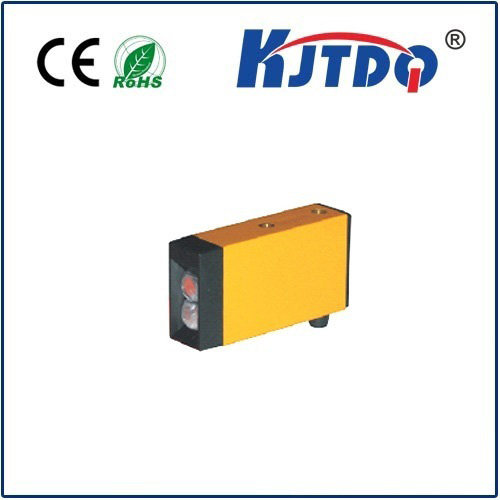
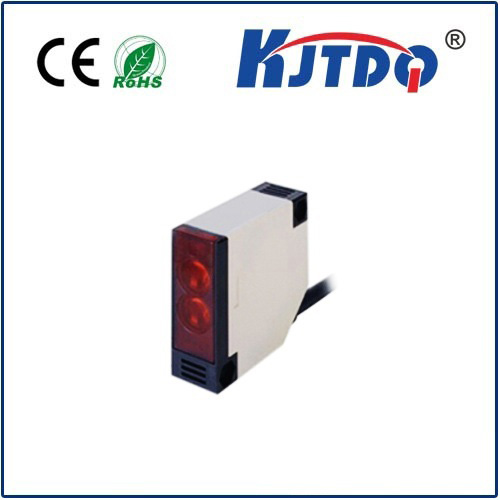
In the world of industrial automation and control systems, precision and reliability are non-negotiable. The QS30LP photoelectric switch stands as a testament to this principle, offering a robust and versatile sensing solution for a myriad of applications. This comprehensive guide delves into the features, benefits, and practical uses of this essential component, providing valuable insights for engineers, technicians, and procurement specialists.
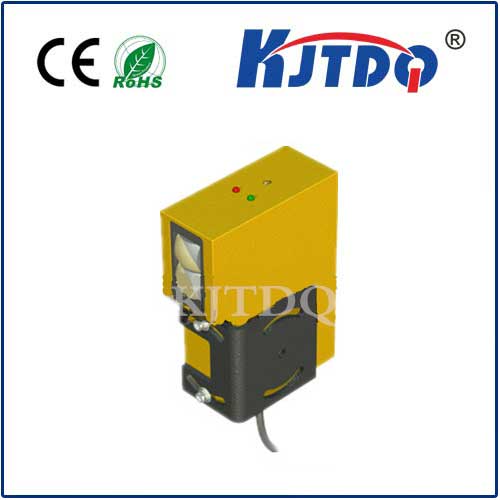
At its core, the QS30LP is a self-contained, modular photoelectric sensor. It operates on the fundamental principle of emitting a beam of light—typically infrared, visible red, or laser—and detecting changes in the received light signal. This allows it to sense the presence, absence, or position of an object without physical contact. The "LP" designation often indicates a long-range or specific performance characteristic, making it suitable for applications where standard sensors fall short. Its modular design is a key advantage, allowing users to select from various sensing modes, output configurations, and housing styles to perfectly match the requirements of their specific project.
One of the primary strengths of the QS30LP series is its exceptional sensing range. Capable of detecting objects at distances that challenge many conventional sensors, it excels in large-scale installations. Whether monitoring material on a wide conveyor belt, detecting vehicles in a parking system, or ensuring proper positioning in automated storage and retrieval systems (AS/RS), its long-range capability ensures reliable operation. The sensor incorporates advanced optics and signal processing to maintain accuracy and stability even in challenging environments with potential interference from ambient light or dust.
Durability is another hallmark of the QS30LP. Engineered for industrial environments, it typically features a rugged housing rated for IP67 or higher, providing robust protection against dust ingress and water jets. This makes it ideal for use in manufacturing plants, food and beverage processing, packaging lines, and outdoor applications where exposure to harsh conditions is inevitable. The construction ensures long-term performance with minimal maintenance, reducing downtime and total cost of ownership.
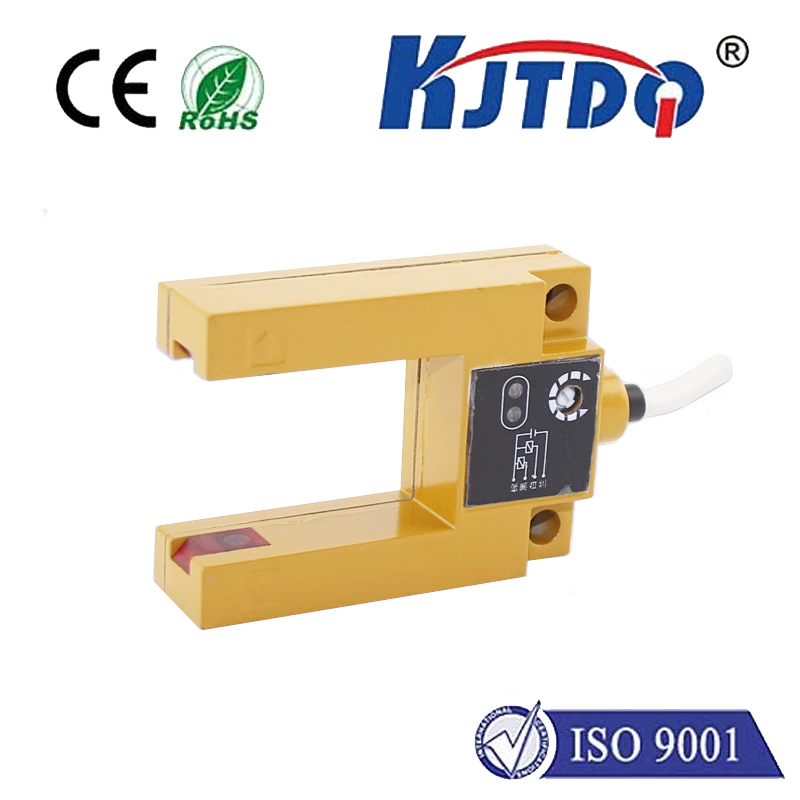
The versatility of this photoelectric switch is further enhanced by its available sensing modes. Users can choose from through-beam, retro-reflective, and diffuse reflective models. Through-beam models offer the longest range and highest reliability, with separate emitter and receiver units. Retro-reflective models use a reflector, simplifying installation while maintaining good performance. Diffuse reflective models sense objects directly, making them perfect for detecting objects without a dedicated reflector, though over shorter ranges. This flexibility allows the QS30LP to solve diverse detection challenges, from transparent bottle detection on a filling line to pallet presence verification in a logistics hub.
Integration into existing control systems is straightforward. The QS30LP commonly provides both digital (PNP/NPN) and analog output options, allowing seamless connection to PLCs (Programmable Logic Controllers), relays, and other industrial controllers. Features like adjustable sensitivity, teach-in functionality for easy setup, and a visible LED beam spot for alignment simplify installation and commissioning, saving valuable time during system integration and troubleshooting.
Real-world applications for the QS30LP photoelectric switch are vast. In material handling, it counts boxes, detects jams, and positions robotic arms. In the automotive industry, it verifies part assembly and monitors automated guided vehicles (AGVs). In packaging, it ensures correct label placement and product fill levels. Its reliability also makes it a preferred choice for safety-related applications, such as perimeter guarding and access control, where failure is not an option.
When selecting a sensor like the QS30LP, it is crucial to consider the specific environmental factors, target material, required sensing distance, and output needs. Consulting the detailed technical datasheet is essential to ensure optimal performance. Proper mounting, alignment, and periodic cleaning of the lens are simple best practices that guarantee the sensor operates at peak efficiency for years.
In conclusion, the QS30LP photoelectric switch represents a critical tool in the automation engineer's arsenal. Its combination of long-range sensing, industrial ruggedness, modular flexibility, and ease of use addresses the core demands of modern industrial sensing. By providing reliable, non-contact detection, it enhances productivity, ensures quality control, and contributes to the seamless operation of automated systems across countless industries. For professionals seeking a dependable and adaptable sensing solution, the QS30LP series offers a proven and powerful answer.