Проверка
Проверка
Проверка
Проверка
Проверка
Проверка
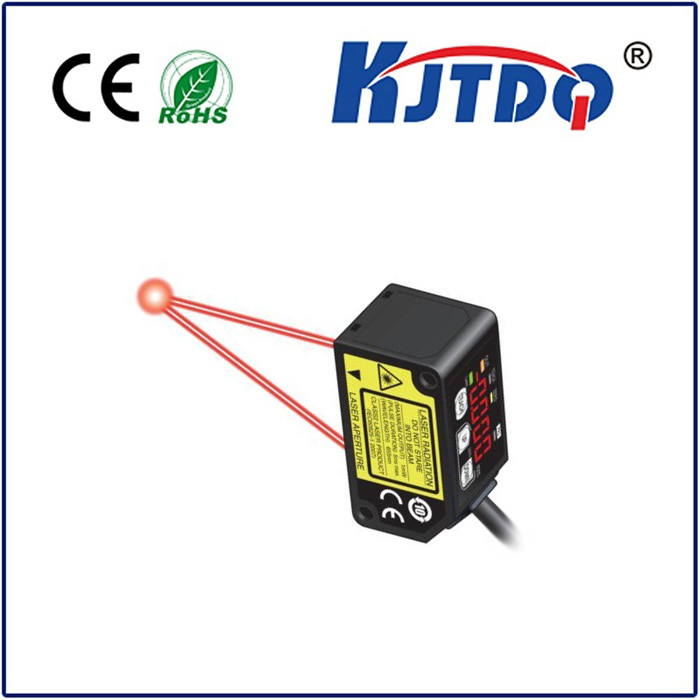
In the rapidly evolving landscape of industrial automation, the demand for reliable, high-precision measurement solutions is paramount. The ZX-T series laser displacement sensor stands out as a critical component for engineers and system integrators seeking to enhance quality control, process efficiency, and machine intelligence. Unlike conventional contact-based measurement tools, the ZX-T sensor utilizes a focused laser beam to perform non-contact, high-speed measurements with micron-level accuracy. This capability is indispensable in applications where physical contact could damage delicate components or where high-speed production lines require instantaneous feedback.
The operational principle of the ZX-T laser sensor is based on the triangulation method. The sensor projects a concentrated laser spot onto the target surface. The reflected light is then captured by a high-resolution CMOS array at a specific angle. By calculating the position of the light spot on the receiver, the sensor's onboard processor determines the exact distance to the target with exceptional repeatability. This method ensures stability even when measuring objects with varying surface colors, textures, or materials, a common challenge in diverse manufacturing environments.
Key performance characteristics of the ZX-T series make it a versatile choice for numerous industries. Its high sampling speed allows for real-time monitoring on fast-moving assembly lines, such as in automotive part inspection or electronics component placement. The robust housing, often rated with a high IP code for dust and water resistance, ensures reliable operation in harsh factory conditions, including machining centers and foundries. Furthermore, models within the ZX-T family offer various measurement ranges and spot sizes, allowing for customization based on specific application needs, from detecting minute warp in silicon wafers to profiling larger objects in logistics sorting systems.
Integration into existing automation frameworks is streamlined through multiple output options. Standard models provide analog voltage or current outputs proportional to the measured distance, easily interfacing with PLCs (Programmable Logic Controllers) and data acquisition systems. Advanced versions may include digital communication protocols like RS-485 or Ethernet/IP, enabling seamless connectivity within Industry 4.0 and IIoT (Industrial Internet of Things) networks for centralized data logging and analytics. This connectivity facilitates predictive maintenance strategies, where sensor data can signal the need for calibration or warn of potential process drift before it impacts product quality.
Practical applications of the ZX-T laser displacement sensor are vast. In the semiconductor industry, it is used for precise wafer thickness and warpage measurement. In automotive manufacturing, it ensures the correct gap and flushness between body panels. Within packaging lines, it verifies fill levels in bottles or the height of stacked products. Robotics cells employ these sensors for accurate bin-picking guidance and assembly verification. The non-contact nature also makes it ideal for measuring hot, soft, or vibrating targets that would be impossible to gauge with tactile probes.
Selecting the appropriate ZX-T sensor model requires careful consideration of several factors. The required measurement range and resolution are primary determinants. Environmental factors such as ambient light interference, temperature fluctuations, and the presence of dust or steam must be accounted for, potentially necessitating specialized models with protective filters or cooling housings. The surface characteristics of the target—whether glossy, dark, or transparent—can affect the laser's reflection and may require sensors with adjustable sensitivity or specialized algorithms for stable detection.
Ultimately, the implementation of ZX-T series sensors translates into tangible operational benefits. Manufacturers report significant reductions in material waste, minimized machine downtime through early fault detection, and consistent adherence to stringent quality standards. By providing a critical layer of process visibility, these laser sensors empower businesses to move beyond reactive maintenance and quality checks towards a proactive, data-driven manufacturing paradigm. As automation continues to advance, the role of precise, reliable measurement tools like the ZX-T laser displacement sensor will only grow in importance, forming the foundational sensory layer for the smart factories of today and tomorrow.