Проверка
Проверка
Проверка
Проверка
Проверка
Проверка
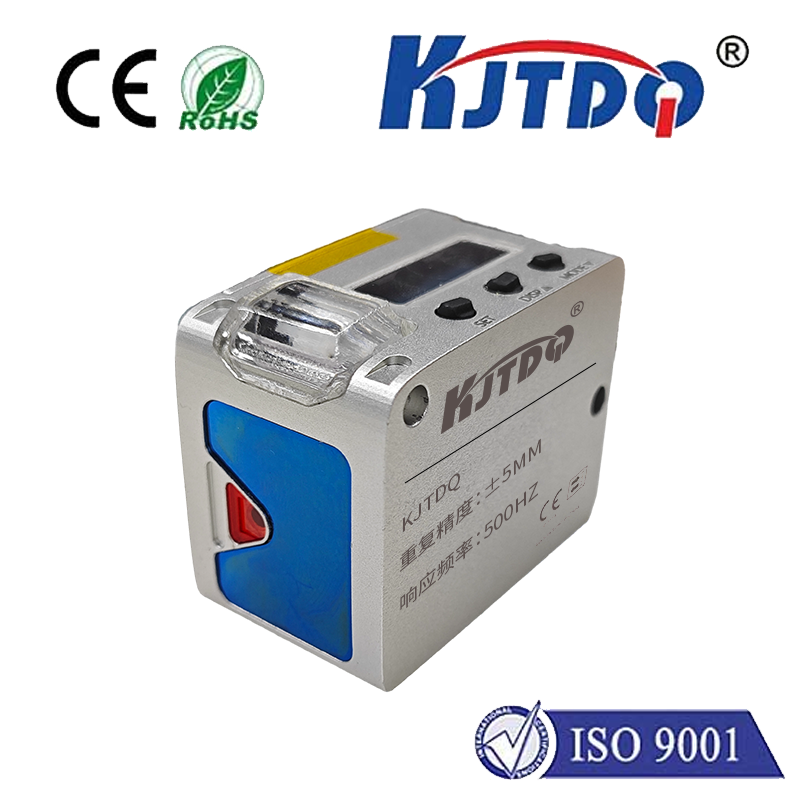
In today's rapidly advancing technological landscape, the demand for high-precision measurement and detection solutions is paramount across numerous industries. The LM3 laser sensor stands out as a pivotal component in this domain, offering unparalleled accuracy and reliability for a wide array of applications. This device exemplifies the integration of sophisticated laser technology into compact, user-friendly systems, driving improvements in automation, quality control, and operational safety.
The core functionality of the LM3 laser sensor revolves around its ability to emit a focused laser beam and precisely measure the time or phase shift of the reflected light. This principle, known as time-of-flight or triangulation depending on the specific model, allows for non-contact measurement of distance, position, thickness, or presence of objects. Unlike traditional mechanical or ultrasonic sensors, the LM3 provides micron-level precision, is unaffected by ambient noise, and can operate effectively on a diverse range of surfaces, including shiny, dark, or transparent materials. This makes it an indispensable tool in environments where delicate components or high-speed processes are involved.
One of the primary sectors benefiting from the LM3 laser sensor is industrial automation. On manufacturing assembly lines, these sensors are deployed for precise positioning of robotic arms, ensuring components are placed with exactitude. They perform critical roles in dimensional gauging, verifying the thickness of materials like metal sheets, glass, or plastic films in real-time, thus preventing defects and reducing material waste. Furthermore, in packaging machinery, LM3 sensors accurately detect label presence, monitor fill levels, and control the cutting and sealing processes, significantly enhancing production throughput and consistency.
Beyond the factory floor, the LM3 finds significant utility in the logistics and warehousing industry. Automated guided vehicles (AGVs) and robotic picking systems rely on these sensors for navigation and object recognition. The sensor's ability to quickly and accurately measure distances helps AGVs avoid obstacles and optimize their paths within dynamic warehouse environments. Similarly, in inventory management systems, LM3 sensors can automate the measurement of package dimensions for volumetric weight calculation and efficient storage space utilization.
The development and construction sectors also leverage the precision of the LM3 laser sensor. Surveying equipment integrated with this technology can capture detailed topographic data with high accuracy. In building information modeling (BIM) and structural monitoring, laser sensors facilitate the measurement of alignments, settlements, and vibrations, contributing to safer and more efficient construction practices. Their use in monitoring bridge deflection or tunnel deformation is crucial for preventive maintenance and infrastructure integrity.
A key advantage of the modern LM3 laser sensor is its enhanced connectivity and smart features. Many models now come equipped with industrial communication protocols like IO-Link, Ethernet/IP, or PROFINET, allowing for seamless integration into the Industrial Internet of Things (IIoT) ecosystems. This enables real-time data transmission to central control systems for predictive analytics, remote monitoring, and proactive maintenance scheduling. The sensor's robust design, often featuring high ingress protection (IP) ratings, ensures reliable operation in challenging conditions involving dust, moisture, or temperature variations.
When selecting an LM3 laser sensor for a specific application, several factors must be considered. The required measuring range, resolution, response time, and beam spot size are critical technical parameters. The environmental conditions, such as exposure to ambient light, temperature extremes, or potential interference from other optical sources, also dictate the choice of model with appropriate filters and protective housings. Furthermore, ease of configuration via intuitive software interfaces and the availability of technical support are important for minimizing setup time and ensuring long-term operational success.
In conclusion, the LM3 laser sensor represents a cornerstone of modern measurement technology. Its exceptional precision, versatility, and adaptability to digital industrial networks make it a powerful enabler for efficiency, quality, and innovation. From streamlining complex manufacturing processes to ensuring the safety of critical infrastructure, the applications of this technology continue to expand, solidifying its role as an essential component in the toolkit of engineers and technicians worldwide. As industries push towards greater automation and data-driven decision-making, the evolution of laser sensing technology, exemplified by the LM3, will undoubtedly remain at the forefront of this transformation.