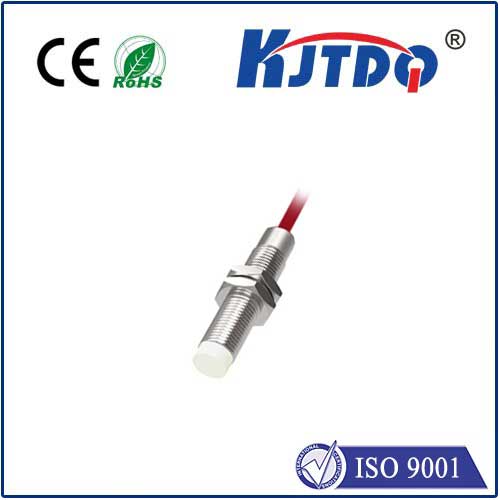
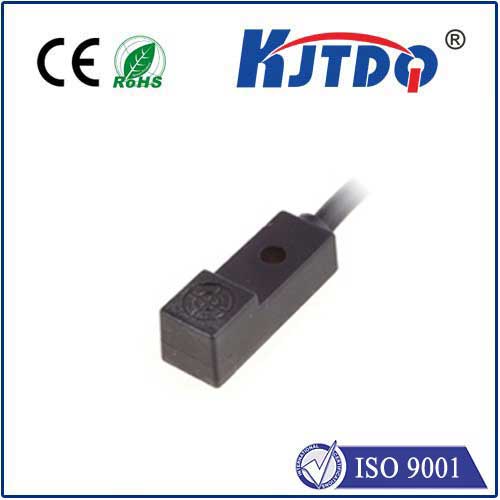
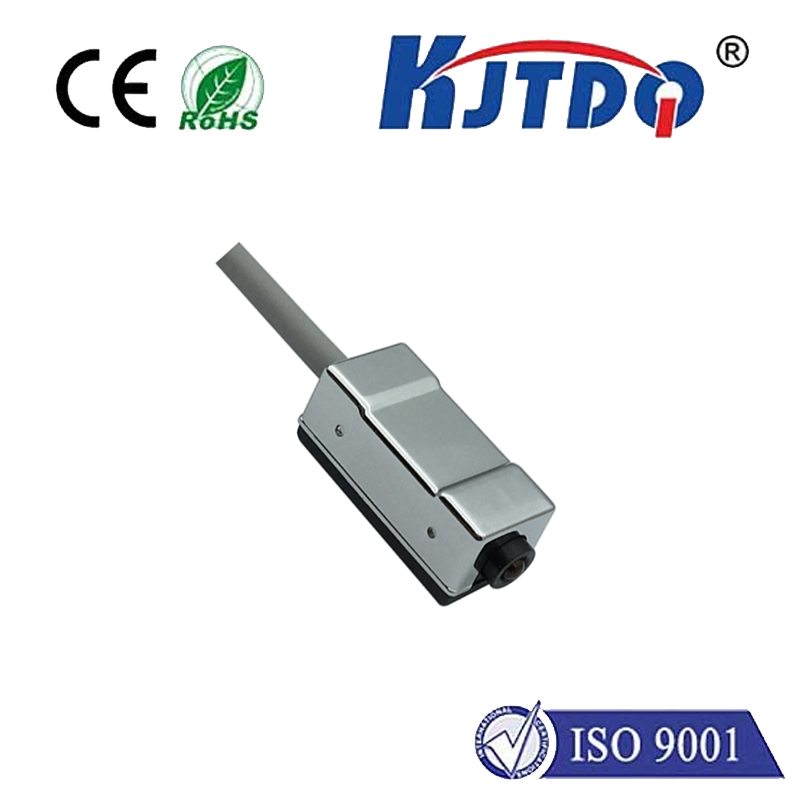
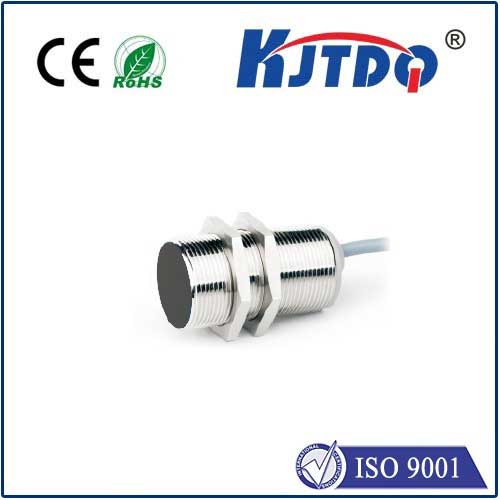
In today's fast-paced industrial landscape, achieving pinpoint accuracy and unwavering reliability in measurement and detection is not just an advantage—it's a necessity. Enter the KJTDQ HG-C Laser Sensor, a cutting-edge solution engineered to meet the most demanding application challenges across diverse sectors. This advanced sensor technology represents a significant leap forward, offering users unparalleled performance where it matters most.
The core of the HG-C Laser Sensor's superiority lies in its sophisticated use of laser triangulation principles. Unlike conventional sensors, it projects a highly focused, visible red laser beam onto a target object. The reflected light is then precisely captured by a high-resolution CMOS array. This data is processed by an intelligent onboard microprocessor, which calculates the exact distance or position with exceptional speed and accuracy. This method ensures measurements are largely immune to ambient light interference, surface color variations, or material differences that often plague other optical sensors, guaranteeing consistent and trustworthy results in dynamic environments.
Engineered for versatility, the KJTDQ HG-C series excels in a multitude of real-world applications. On automated production lines, it performs critical tasks such as precise height differentiation, thickness monitoring of materials, and continuous level control of liquids or bulk solids. Its high-speed response capability makes it ideal for presence/absence detection in electronics assembly, contour profiling in robotic guidance systems, and edge detection in high-speed packaging machinery. Furthermore, its robust design allows for reliable operation in settings ranging from clean rooms to more challenging industrial floors.
Key features set the HG-C apart from the competition. It boasts an impressive measuring range with resolution down to the micron level, enabling detection of the most minute variations. A wide variety of output options, including analog (4-20mA, 0-10V), digital (NPN/PNP), and serial communication (RS-485), ensures seamless integration into any existing control system, from PLCs to PCs. The sensor is housed in a rugged, compact metal casing rated for high IP protection against dust and water ingress, ensuring longevity even in harsh conditions. User-friendly aspects include intuitive teach-in programming via a button or remote input, a clear status LED, and the convenience of a visible laser spot for easy alignment and setup.
Selecting the right sensor is crucial for optimal system performance. When considering the KJTDQ HG-C, key parameters to evaluate include the required measuring range, the necessary resolution and repeatability for the task, the response speed needed to keep up with the process, the optimal sensing mode (diffuse-reflective or through-beam), and the environmental conditions such as temperature, humidity, and potential exposure to contaminants. Proper mounting, alignment, and periodic cleaning of the lens are simple yet essential practices to maintain peak sensor performance over its extended service life.
Beyond its technical specifications, the true value of the KJTDQ HG-C Laser Sensor is realized in the operational benefits it delivers. By providing exact, real-time data, it empowers manufacturers to drastically reduce material waste, minimize product defects, and prevent costly machine downtime. This directly translates to enhanced overall equipment effectiveness (OEE), streamlined quality control processes, and a stronger bottom line. It is a strategic investment in process optimization and intelligent automation.
As industries worldwide move towards greater automation and data-driven decision-making, the demand for precise, reliable, and smart sensing technology will only intensify. The KJTDQ HG-C Laser Sensor stands ready to meet this demand, offering a future-proof solution that enhances both precision and productivity. For engineers, system integrators, and plant managers seeking to elevate their operational capabilities, integrating the HG-C sensor is a definitive step toward building a more efficient, reliable, and competitive manufacturing operation.