Проверка
Проверка
Проверка
Проверка
Проверка
Проверка
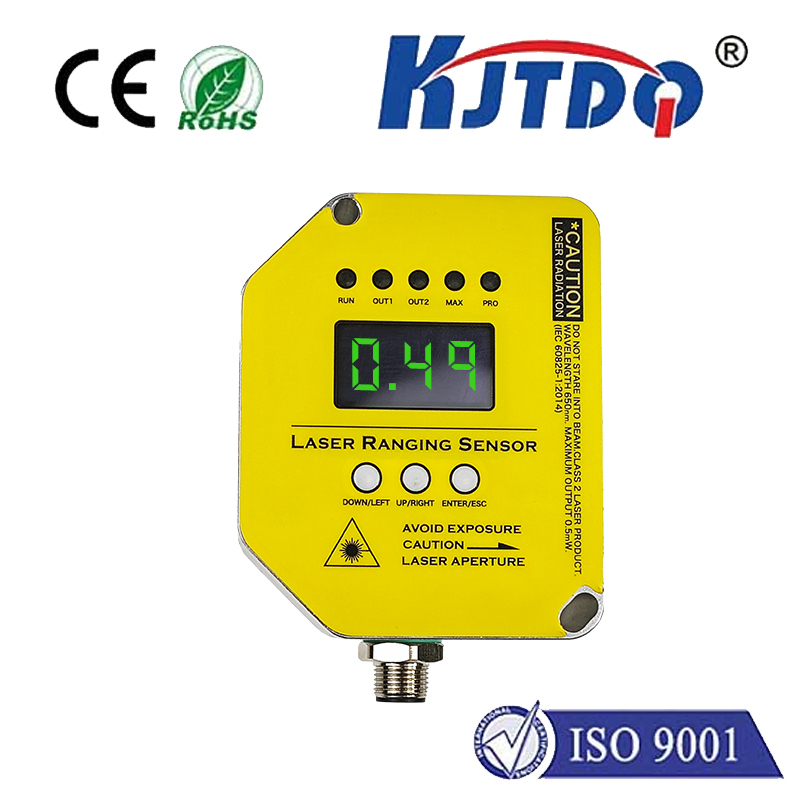
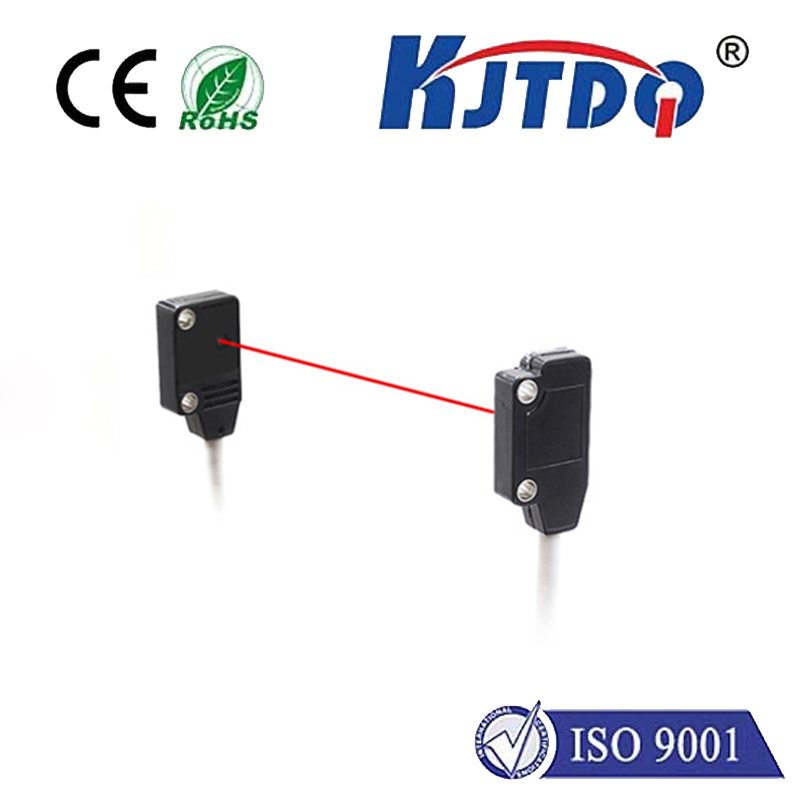
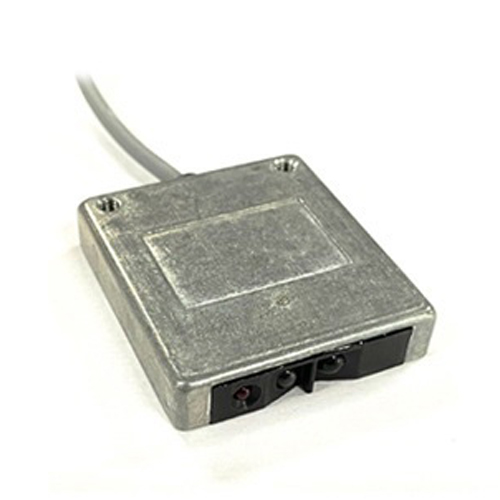
In the rapidly evolving landscape of industrial automation, the demand for reliable, high-precision measurement solutions is paramount. The P3PC341 laser sensor emerges as a critical component in this domain, offering unparalleled accuracy and stability for a wide range of applications. Unlike conventional sensors that may struggle with environmental interference or material surface variations, the P3PC341 utilizes advanced laser triangulation technology to deliver consistent, non-contact measurements.
The core strength of the P3PC341 lies in its sophisticated design. It projects a focused, visible red laser spot onto the target object. The reflected light is captured by a high-resolution CMOS array within the sensor. By precisely calculating the angle of the reflected beam, the sensor's internal processor determines the exact distance to the target with micron-level resolution. This principle allows it to perform flawlessly on surfaces of different colors, textures, and materials, from shiny metals to dark, matte plastics, where other optical sensors might fail.
Engineers and system integrators value the P3PC341 for its robust performance in challenging conditions. It features a high sampling rate, enabling real-time monitoring and control in dynamic production lines, such as robotic assembly or conveyor belt sorting. Its compact housing is built to withstand typical industrial environments, including vibrations, ambient light fluctuations, and dust. The sensor is often equipped with intuitive teaching functions and programmable logic outputs, allowing for easy integration into existing PLC (Programmable Logic Controller) systems without extensive configuration.
Typical use cases span multiple industries. In automotive manufacturing, the P3PC341 ensures precise gap and flush measurement between body panels. In electronics, it verifies component height and placement on PCBs. Within packaging machinery, it monitors fill levels and checks for lid presence or seal integrity. Its ability to measure tiny displacements makes it indispensable for quality control processes where tolerances are extremely tight.
Selecting the right sensor involves considering key specifications. The P3PC341 typically offers a well-defined measuring range, a linear output signal (e.g., 4-20mA or 0-10V), and digital interfaces like IO-Link for advanced diagnostics and parameter setting. Its setup is straightforward, often involving a simple teach-in procedure where the sensor is programmed for the desired measurement window. Regular maintenance is minimal, primarily consisting of keeping the lens clean to ensure optimal laser projection.
The integration of such a sensor into an automated system translates directly into enhanced productivity and reduced waste. By providing accurate, real-time data, the P3PC341 helps prevent defects, minimizes material usage, and ensures consistent product quality. This leads to lower operational costs and higher customer satisfaction. As factories move towards smarter, more connected Industry 4.0 ecosystems, the role of precise measurement sensors like the P3PC341 becomes even more central, feeding critical data into larger analytics platforms for predictive maintenance and process optimization.
Ultimately, the P3PC341 laser sensor represents more than just a measurement tool; it is an enabler of precision and efficiency. For any operation requiring dependable, non-contact distance or displacement measurement, implementing this sensor can be a transformative step towards achieving greater automation reliability and output consistency. Its proven technology continues to be a trusted choice for engineers seeking to solve complex measurement challenges.