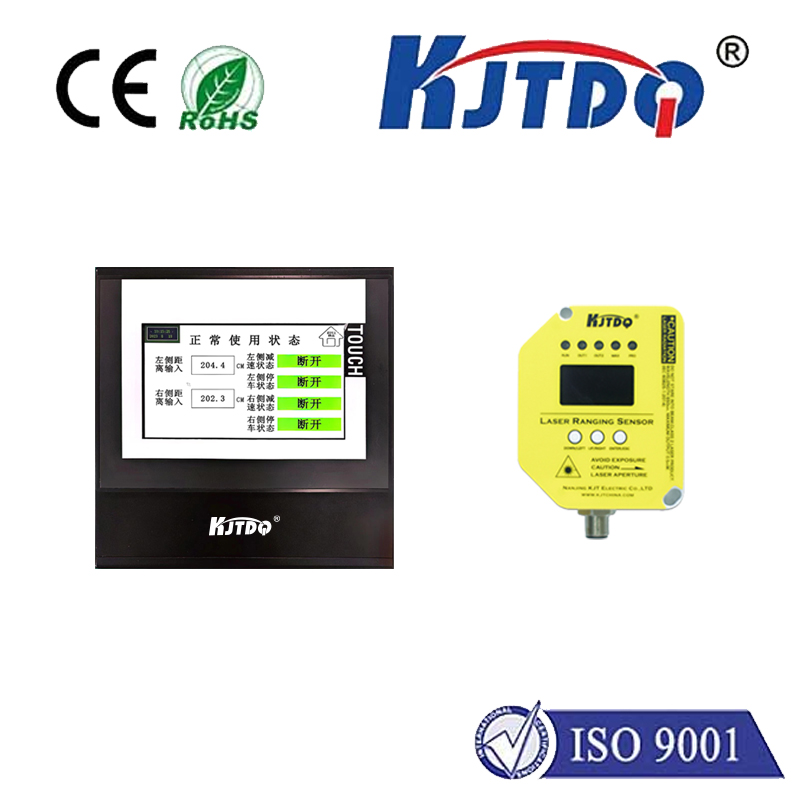
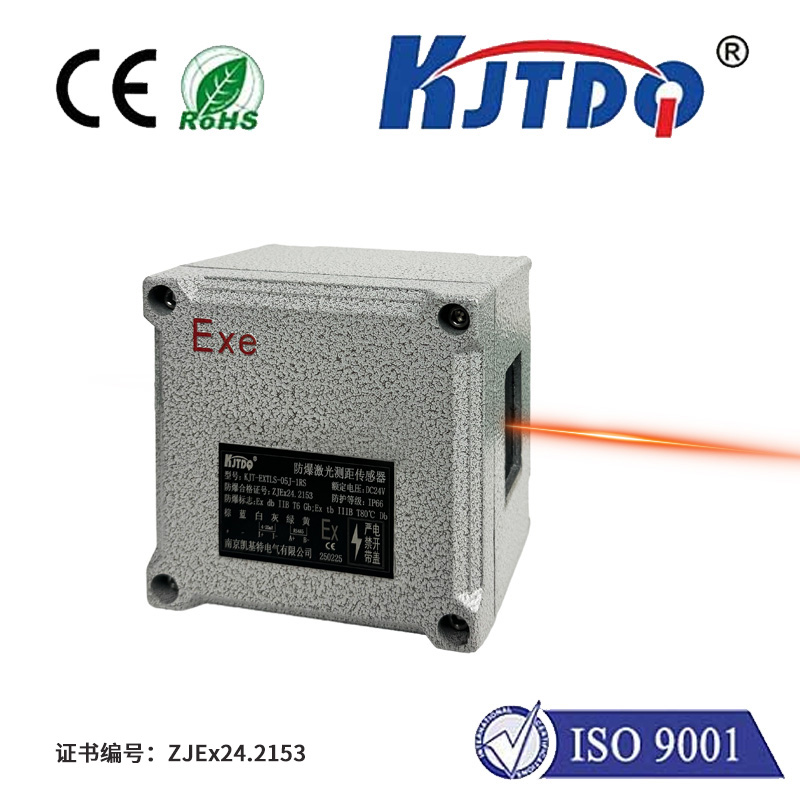
In the rapidly evolving landscape of industrial automation, precision and reliability are non-negotiable. The DL100-23HA2103 laser sensor stands as a pivotal component in this domain, engineered to deliver exceptional performance in diverse and demanding applications. This sensor represents a significant leap in detection technology, offering manufacturers and system integrators a robust tool to enhance efficiency, ensure quality, and reduce operational downtime.
The core of the DL100-23HA2103's capability lies in its advanced laser triangulation principle. Unlike conventional sensors, it emits a focused laser beam onto a target object. The reflected light is then captured by a high-resolution receiver at a precise angle. By calculating the displacement of the reflected light spot, the sensor can determine the object's distance, height, or presence with micron-level accuracy. This method provides superior performance compared to ultrasonic or photoelectric sensors, especially in environments with varying surface colors, textures, or ambient light conditions.
One of the most compelling features of the DL100-23HA2103 is its remarkable measurement stability. It is designed to maintain consistent readings even when faced with industrial challenges such as vibration, dust, or temperature fluctuations. The sensor housing is typically built to meet IP67 standards, ensuring complete protection against dust ingress and temporary immersion in water. This rugged construction makes it an ideal choice for harsh factory floors, outdoor applications, or cleanrooms where reliability is paramount.
The application scope for this laser sensor is vast. In assembly line production, it is indispensable for precise positioning of components, verifying the correct placement of parts, and conducting gap or step height measurements. In the packaging industry, it ensures that labels are applied correctly, flaps are properly sealed, and fill levels are accurate. Furthermore, in robotic guidance systems, the DL100-23HA2103 provides the critical feedback needed for robots to pick, place, and manipulate objects with high repeatability, enabling more flexible and intelligent automation cells.
Integration into existing control systems is streamlined thanks to its versatile output options. The sensor commonly provides both analog (e.g., 0-10V, 4-20mA) and digital (e.g., NPN/PNP switching) signals, allowing seamless communication with Programmable Logic Controllers (PLCs), human-machine interfaces (HMIs), and other industrial controllers. Many models also feature intuitive teach-in functions, where setting detection thresholds or measurement windows is as simple as pressing a button while presenting the target object, significantly reducing setup time and complexity.
When selecting a sensor like the DL100-23HA2103, several technical parameters are crucial. The measuring range defines the minimum and maximum distances over which it can operate accurately. The resolution indicates the smallest detectable change in distance. Response time determines how quickly the sensor can process a detection and send an output signal, which is vital for high-speed production lines. Understanding these specifications ensures the sensor is perfectly matched to the specific task, whether it's detecting tiny electronic components or large metal sheets.
Beyond its technical prowess, implementing the DL100-23HA2103 laser sensor translates into tangible business benefits. It directly contributes to zero-defect manufacturing philosophies by catching errors in real-time, preventing waste and rework. The enhanced precision reduces material usage and improves product consistency. Ultimately, this leads to higher overall equipment effectiveness (OEE), lower total cost of ownership, and a stronger competitive edge in markets where quality and throughput are key differentiators.
As Industry 4.0 and smart manufacturing initiatives gain momentum, the role of precise sensing becomes even more central. The DL100-23HA2103 is more than just a detection device; it is a source of critical data. This data feeds into larger analytics systems, enabling predictive maintenance, process optimization, and deeper insights into production health. By investing in high-performance laser sensor technology, companies are not just automating processes—they are building the foundation for a more responsive, data-driven, and intelligent industrial operation.