In the fast-paced world of industrial automation and material handling, safety and operational reliability are non-negotiable priorities. Among the myriad of components that ensure these standards, the emergency stop switch plays a pivotal role. The Z-15G-B Pull Cord Switch, a specific and highly regarded model in this category, stands out as a critical safeguard for conveyor systems and similar machinery. This device is engineered to provide an immediate and fail-safe method to halt equipment in emergency situations, preventing potential injuries and costly damage.
The fundamental operation of a pull cord switch like the Z-15G-B is elegantly simple yet profoundly effective. Installed along the length of a conveyor belt, it features a prominently accessible pull cord or cable. In the event of an emergency—such as a worker becoming entangled, a material jam, or any other hazardous condition—any person along the line can quickly pull this cord. This action mechanically activates the switch, instantly cutting power to the conveyor drive motor and bringing the entire system to a controlled stop. This "rope-operated emergency switch" is a first line of defense, enabling response from any point along the operational path without the need to locate a fixed stop button.
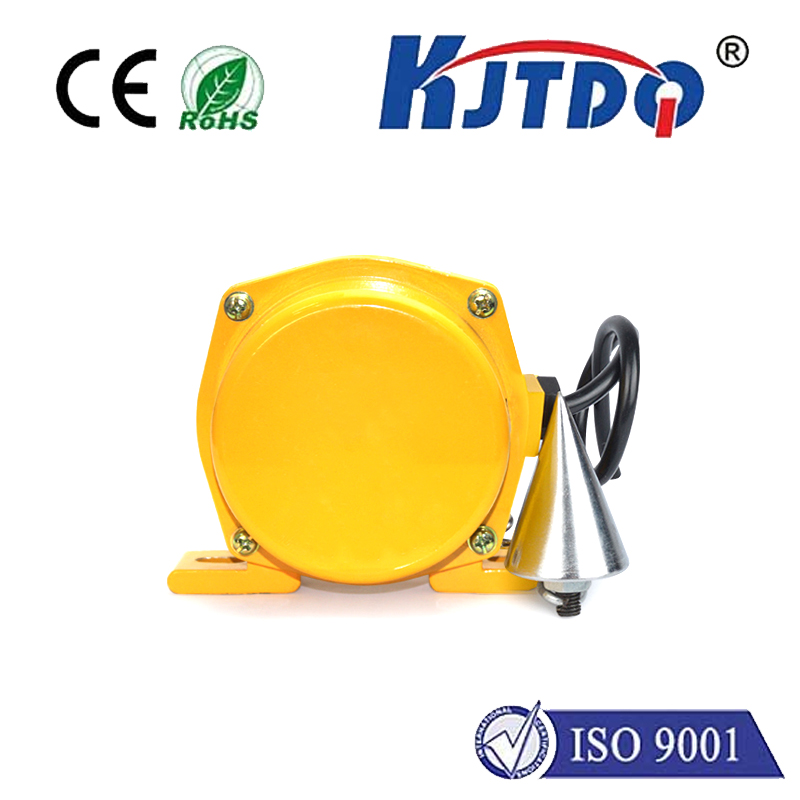
The design and construction of the Z-15G-B model focus on durability and consistent performance in harsh industrial environments. Typically housed in a robust, sealed enclosure, it is built to resist dust, moisture, and mechanical impact. Key internal components often include a precision snap-action mechanism that ensures positive switching and reliable electrical contact every time the cord is pulled. Many models also feature a manual reset function; after the emergency is resolved and the cause addressed, the switch must be physically reset to its normal position to restart the machinery. This prevents accidental or automatic restarting, adding another layer of safety for maintenance personnel.
The applications for the Z-15G-B Pull Cord Switch are extensive, primarily within bulk material handling sectors. It is indispensable in mining operations, aggregate processing plants, grain elevators, port loading facilities, and packaging lines. Anywhere long conveyors transport materials, the presence of these emergency stop switches is a fundamental safety requirement, often mandated by occupational health and safety regulations. Their implementation directly protects workers from life-threatening incidents and protects expensive equipment from severe damage due to blockages or malfunctions.
Selecting the right pull cord switch involves several technical considerations. Factors such as the operating voltage and current rating (e.g., for AC or DC control circuits), the number of contact configurations (normally open or normally closed), the mechanical life expectancy, and the IP (Ingress Protection) rating for environmental sealing are all crucial. The Z-15G-B designation typically signifies a specific set of these technical parameters tailored for industrial-grade reliability. Proper installation is equally important; the pull cord must be installed at a safe and accessible height, with adequate tension and clear visibility along the entire run of the conveyor.
Beyond basic functionality, modern iterations of devices like the Z-15G-B may integrate advanced features. These can include dual-channel safety outputs for connection to safety PLCs (Programmable Logic Controllers), status indication lights for easy monitoring, and corrosion-resistant coatings for use in chemically aggressive or outdoor settings. Regular testing and maintenance are essential to ensure the switch remains operational. A simple weekly test of the pull mechanism and electrical function can verify its readiness, making it a reliable partner in a comprehensive safety protocol.
In conclusion, the Z-15G-B Pull Cord Switch is far more than just a simple mechanical device. It embodies a fundamental principle of industrial safety: providing a quick, unambiguous, and reliable means for human intervention to override automated processes in the face of danger. Its robust design, fail-safe operation, and widespread adoption make it an unsung hero on factory floors and worksites worldwide. By ensuring the immediate cessation of motion during emergencies, it not only complies with stringent safety standards but also fosters a culture of security, protecting both human capital and physical assets, thereby underpinning efficient and responsible industrial operations.