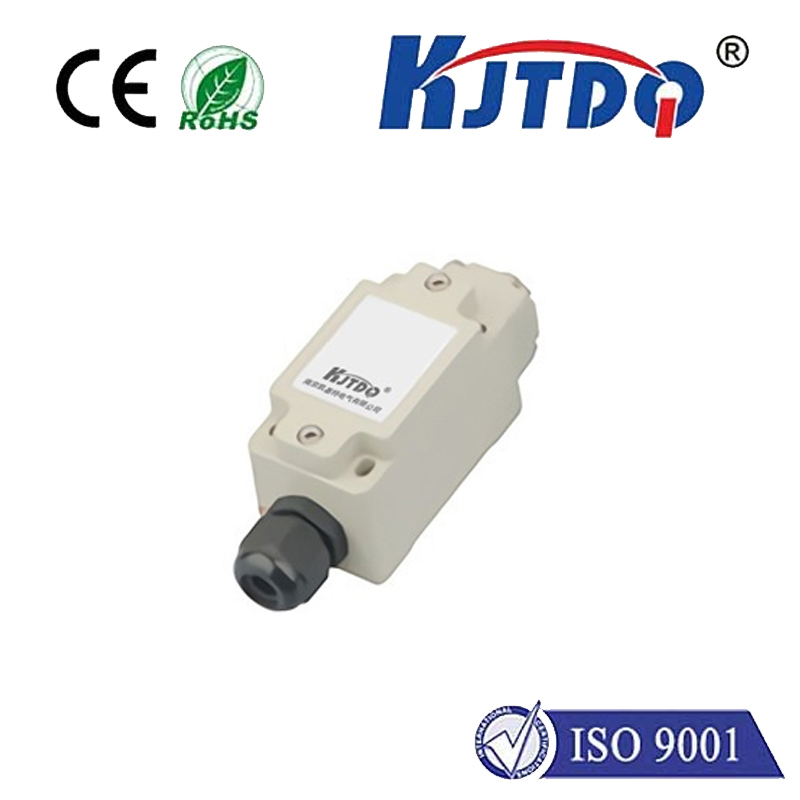
In the fast-paced world of industrial manufacturing and material handling, operational efficiency is paramount. However, it should never come at the expense of worker safety. This is where emergency stop devices, like the WNJ-QPull cord switch, become non-negotiable components of any robust safety system. This essential safety device provides a critical, fail-safe method for personnel to immediately halt machinery in the event of an emergency, preventing potential injuries and equipment damage.
The WNJ-QPull cord switch operates on a simple yet highly effective principle. It is typically installed along the length of a conveyor belt, assembly line, or other machinery with extended operational zones. A durable, highly visible pull cord runs the entire length of the guarded area, mounted within easy reach of operators. In a crisis—whether a worker's clothing gets caught, a product jams dangerously, or any other hazardous situation arises—any person along the line can instantly activate the switch by pulling the cord. This action mechanically triggers the switch to break the safety circuit, sending an immediate stop signal to the machinery's control system. The design ensures a positive break action, meaning the switch physically opens the contacts, providing a high degree of reliability that surpasses many electronic-only systems.
The "Q" in models like WNJ-Q often denotes specific features such as a robust metal housing, high ingress protection (IP) rating for dust and water resistance, and a mechanical latching mechanism. Once activated, the switch remains in the tripped position until manually reset by an authorized operator. This lock-out feature is crucial as it prevents the machinery from being restarted inadvertently before the emergency situation has been fully addressed and resolved. The reset process usually requires a deliberate action, such as turning or pulling a knob, ensuring a conscious decision to resume operations.
Why is the WNJ-QPull cord switch so vital for modern facilities? First and foremost, it addresses the critical need for decentralized emergency stopping. In large operations, an operator might not be near a standard push-button emergency stop. The pull cord offers a continuous, accessible stop command along the entire hazard zone. Secondly, it complies with stringent international safety standards, such as ISO 13850 and IEC 60947-5-5, which govern the principles for the design of emergency stop functions. Implementing certified devices like these is not just a best practice; it's often a legal requirement for workplace safety compliance.
Beyond compliance, integrating a reliable pull cord switch like the WNJ-Q model into a safety system mitigates financial and reputational risk. Unplanned downtime from an accident can be catastrophic. By enabling a rapid response to emergencies, these switches help minimize the severity of incidents, protecting both human capital and physical assets. Their durable construction ensures long-term performance even in harsh industrial environments characterized by vibration, temperature fluctuations, and exposure to oils or particulates.
When selecting a pull cord switch, engineers and safety managers must consider several factors. The length of the cord and the number of pull points must adequately cover the hazard zone. The switch's mechanical life—the number of reliable operations—should be rated for the application's demands. The electrical ratings must match the control circuit's voltage and current. Furthermore, features like a pre-stretched, anti-sway cable and brightly colored, corrosion-resistant housings enhance visibility and longevity.
In conclusion, the WNJ-QPull cord switch represents a fundamental layer of protection in industrial automation. It is a testament to the principle that the simplest solutions are often the most critical. By providing an unambiguous, immediately accessible, and highly reliable means to initiate a safe shutdown, it empowers every worker to act as a guardian of safety. For any operation prioritizing a culture of safety without compromising on productivity, specifying and maintaining high-quality emergency stop devices, including robust pull cord switches, is an indispensable investment in a secure and sustainable future.