In the bustling world of industrial automation and material handling, conveyor belts are the arteries that keep operations flowing. However, with continuous motion comes inherent risk. The sudden emergence of an equipment jam, a material spill, or an unexpected personnel entry into a hazardous zone demands an immediate and fail-safe response to prevent catastrophic damage or injury. This is where the CSD-80A Pull Cord Switch, often referred to as an emergency stop switch or rope pull switch, proves to be an indispensable safety sentinel. Far more than a simple component, it is a critical engineered safety device designed for reliability and rapid intervention.
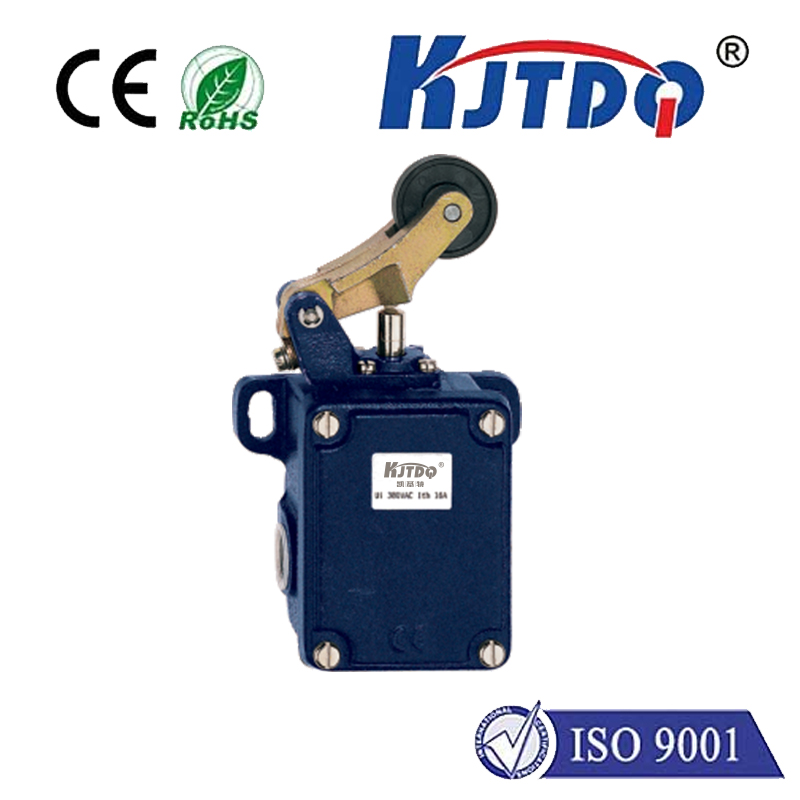
The core principle of the CSD-80A is elegantly straightforward yet profoundly effective. Installed along the length of a conveyor belt, typically on both sides, it features a robust, easily accessible pull cord or cable running parallel to the conveyor. This cable is connected to a mechanically actuated switch mechanism housed in a durable, often IP67-rated enclosure for protection against dust, moisture, and impacts. In an emergency, any personnel along the conveyor line can instantly actuate the switch by pulling the cord. This action mechanically trips the switch, immediately cutting power to the conveyor drive motor and bringing the entire system to a halt. This "pull-to-stop" functionality provides a vital, manually initiated emergency stop capability across the entire length of the protected zone, ensuring help is always within arm's reach.
What sets a high-quality switch like the CSD-80A apart are the features engineered for unwavering performance in harsh industrial environments. Durability is paramount. The housing is constructed from heavy-duty materials like die-cast aluminum or reinforced polymer to withstand vibration, corrosion, and physical abuse. The internal switching mechanism is designed for positive, reliable action, often with a latching function that requires a manual reset after activation. This prevents automatic restart, a crucial safety feature that ensures the problem is addressed before operations resume. Many models, including those designed to meet the CSD-80A's reliability standards, offer a highly visible visual status indicator—such as a brightly colored flag or LED—that clearly shows whether the switch is in a normal or tripped state from a distance.
The applications for the CSD-80A Pull Cord Switch are vast and critical. They are the safety backbone of industries reliant on long conveyor systems: mining operations transporting coal or minerals, aggregate plants moving stone and sand, port facilities loading and unloading bulk cargo, power plants handling fuel, and packaging or distribution warehouses. In these settings, the switch acts as a first line of defense against entrapment, belt misalignment, bearing failure fires, or other emergencies. Its presence is not merely a best practice; it is often a strict requirement mandated by occupational safety and health regulations worldwide, such as OSHA in the United States or similar bodies elsewhere. Compliance with these standards is non-negotiable for responsible operation.
Selecting and installing the correct pull cord switch is a serious undertaking. Key considerations include the switch's safety integrity level, the required voltage and current ratings for your conveyor motor circuit, the mechanical life expectancy (number of operations), and the environmental protection rating. Proper installation spacing, usually every 20-30 meters along the conveyor, ensures no point is beyond reach. The pull cord must be installed at a safe, accessible height and tensioned correctly to avoid sagging or false triggers while remaining easy to pull. Regular testing and maintenance are essential; a monthly functional test where the cord is pulled to verify system shutdown and a check of the mechanical components for wear or corrosion can mean the difference between a device that works in theory and one that works in a real crisis.
In conclusion, the CSD-80A Pull Cord Switch embodies a fundamental principle of industrial safety: providing a simple, immediate, and reliable means for human intervention to override automated systems in peril. It is a testament to the idea that the most sophisticated automation should always have a humble, accessible, and robust manual override. For engineers, facility managers, and safety officers, specifying and maintaining high-quality pull cord switches like the CSD-80A is not an exercise in checking a compliance box. It is a direct investment in protecting valuable assets, ensuring regulatory adherence, and, most importantly, safeguarding the well-being of every worker who depends on these massive systems daily. In the relentless rhythm of industry, it stands as a vigilant, silent guardian, ready to act in a split second.