Проверка
Проверка
Проверка
Проверка
Проверка
Проверка
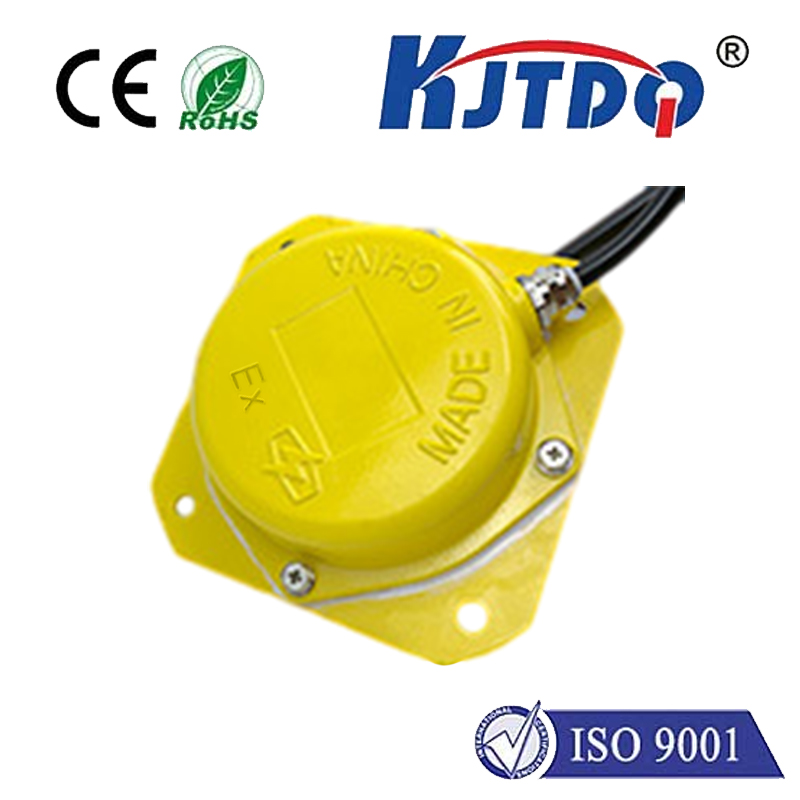
In industrial and commercial settings where conveyor belts, assembly lines, or large machinery are in operation, emergency stop mechanisms are not just a regulatory requirement—they are a critical component of workplace safety. Among the various safety devices available, the pull cord switch stands out for its simplicity, reliability, and immediate response capability. The HL-5050 Pull Cord Switch represents a significant advancement in this category, offering enhanced durability and performance for demanding environments. This guide delves into the features, applications, and benefits of this essential safety device.
The primary function of a pull cord switch, such as the HL-5050 model, is to provide a means for personnel to quickly and easily halt machinery in case of an emergency. Installed along the length of a conveyor or machine, it consists of a cable or cord that runs parallel to the equipment. When an operator pulls this cord, it activates a switch mechanism, sending an immediate stop signal to the machine's control system. This action can prevent accidents, injuries, or damage to equipment, making it a vital last line of defense.
What sets the HL-5050 apart is its robust construction designed for harsh industrial conditions. Typically housed in a sturdy, corrosion-resistant enclosure, often made from materials like die-cast aluminum or stainless steel, it is built to withstand exposure to dust, moisture, vibrations, and extreme temperatures. The internal switching mechanism is engineered for high reliability and a long operational life, often featuring a positive break action to ensure the stop command is executed without fail. Many models, including variants of the HL-5050, come with a manual reset function. After activation, the switch must be physically reset by an authorized person, preventing the machinery from restarting unintentionally and allowing for a safe investigation of the incident.
The applications for the HL-5050 Pull Cord Switch are extensive. They are most commonly found in material handling sectors, including mining, quarrying, packaging, and logistics warehouses, where long conveyor systems are used. In these settings, workers may be at a distance from the main control panels, and the pull cord provides localized emergency access. They are also crucial in manufacturing plants, power generation facilities, and anywhere large automated machinery operates with potential pinch points or other hazards. Compliance with international safety standards, such as those from ISO or regional equivalents, is a key consideration, and reputable HL-5050 switches are designed and certified to meet these rigorous requirements.
Installation and maintenance are straightforward but crucial for ensuring optimal performance. The switch should be mounted at a consistent and accessible height along the entire run of the machinery. The pull cord itself needs to have the correct tension—neither too loose, which could cause accidental sagging and activation, nor too tight, which might impede a smooth pull. Regular testing is mandatory. This involves periodically pulling the cord to verify that it cleanly breaks the circuit and stops the associated equipment. Visual inspections for wear and tear on the cord, the enclosure, and the mounting hardware should be part of routine safety checks.
Choosing the right pull cord switch involves evaluating several factors. The environmental conditions (explosive atmospheres, high humidity, etc.) dictate the required ingress protection (IP) rating and material construction. The electrical specifications, such as voltage, current rating, and the type of contacts (normally open or normally closed), must match the control circuit of the machinery. The mechanical lifespan, indicated by the number of operations it can endure, is another critical parameter for high-cycle applications.
The HL-5050 Pull Cord Switch embodies the principle that the best safety devices are those that are simple to use, incredibly reliable, and built to last. Its design prioritizes human safety by providing an unambiguous and immediate action point in an emergency. For facility managers, safety officers, and engineers, integrating such a device is a proactive step towards creating a safer work environment, reducing downtime caused by accidents, and demonstrating a commitment to operational excellence and regulatory compliance. In the complex ecosystem of industrial automation, the unassuming pull cord switch remains an indispensable guardian of personnel and assets.