Проверка
Проверка
Проверка
Проверка
Проверка
Проверка
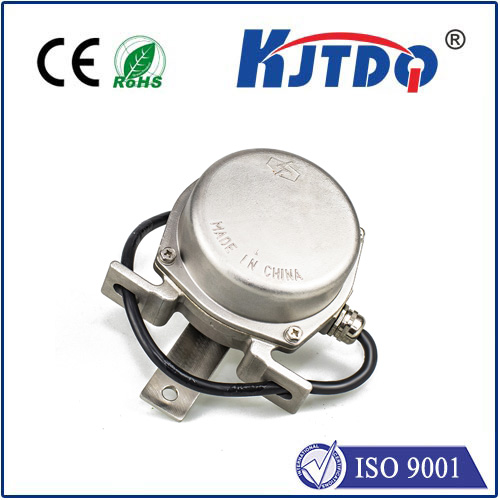
In the demanding environment of industrial operations, where heavy machinery and conveyor systems are in constant motion, the implementation of fail-safe emergency stop mechanisms is not just a regulatory requirement but a fundamental pillar of workplace safety. Among these vital safety devices, the pull cord switch stands out for its simplicity, reliability, and immediate effectiveness. Specifically, the HA1-AZ model represents a robust and widely trusted solution designed to halt equipment swiftly in the event of an emergency, preventing potential injuries and equipment damage.
The core function of a pull cord switch, such as the HA1-AZ, is straightforward yet crucial. It is typically installed along the length of a conveyor belt or beside other long-running machinery. A cable or cord runs parallel to the equipment, accessible from multiple points. In an emergency—whether a worker becomes entangled, a product jams, or any other hazardous situation arises—any person along the line can pull this cord. This action mechanically activates the switch, which immediately cuts power to the drive motor, bringing the machinery to a rapid and controlled stop. This instant response capability is what makes it an indispensable last line of defense.
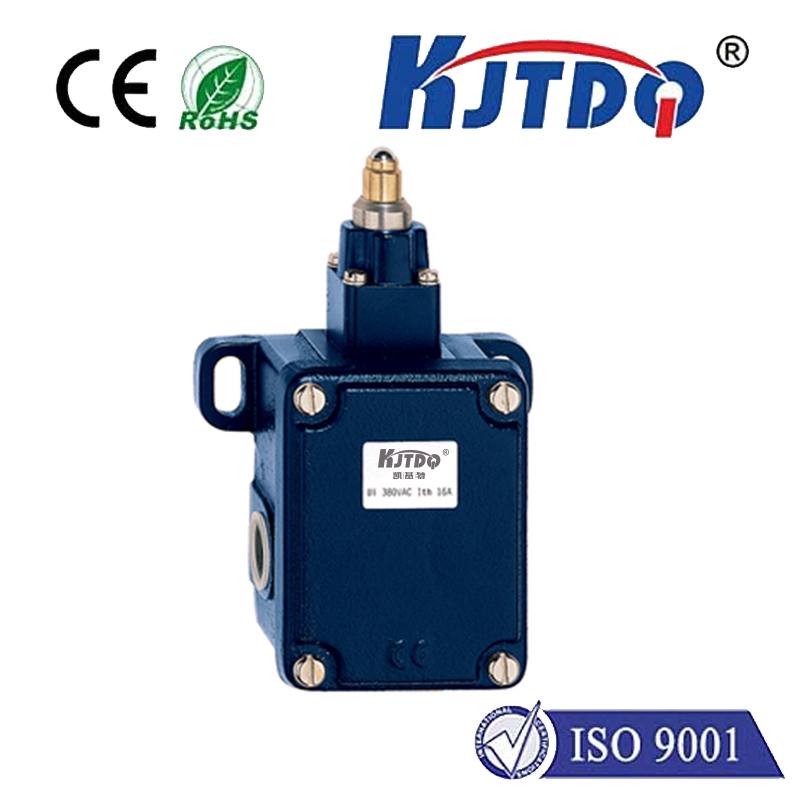
The HA1-AZ pull cord switch is engineered for durability and resilience in harsh industrial settings. Its housing is often constructed from high-grade, corrosion-resistant materials like die-cast aluminum or reinforced plastics, protecting the internal components from dust, moisture, and physical impact. The internal switching mechanism is designed for high precision and long service life, capable of handling the electrical loads required to interrupt motor control circuits. Many models, including variants of the HA1-AZ, feature a clearly visible flag or indicator that changes position when the switch is activated. This visual signal allows maintenance personnel to quickly identify which switch along the line was triggered, facilitating faster troubleshooting and resetting after the emergency is resolved.
A key operational feature of safety switches like the HA1-AZ is the "manual reset" requirement. After the cord is pulled and the emergency stop is initiated, the switch cannot be simply turned back on automatically. A qualified operator must physically go to the switch location, identify the cause of the activation, and manually reset the mechanism. This forced procedure is a critical safety step. It prevents the machinery from being restarted inadvertently while someone might still be in a dangerous position or before the underlying issue has been properly addressed. It ensures a deliberate restart process, reinforcing overall operational safety protocols.
The applications for the HA1-AZ pull cord switch extend across numerous industries. They are ubiquitous in mining operations, where long conveyor belts transport bulk materials. In packaging and bottling plants, they safeguard automated assembly lines. Warehouses and distribution centers rely on them for sortation systems, and they are equally vital in the agricultural, recycling, and manufacturing sectors. Anywhere there is extended, automated machinery with potential pinch points or access along its length, the presence of a pull cord switch system is a non-negotiable safety standard. Compliance with international safety standards, such as ISO 13850 (Safety of machinery — Emergency stop function — Principles for design) and various regional regulations, is a primary consideration. The design and certification of the HA1-AZ model typically adhere to these rigorous guidelines, ensuring it provides a reliable and recognized emergency stop function.
Proper installation and regular maintenance are paramount to ensure the HA1-AZ switch functions correctly when needed. The pull cord must be installed at a safe and accessible height, usually within easy reach of personnel working near the equipment. The tension on the cord must be correctly adjusted; too loose, and it may not activate reliably, too tight, and it could cause false triggers or wear. Routine inspections should include checking the cord for wear or damage, verifying the mechanical operation of the switch, and testing the full emergency stop circuit to confirm it successfully cuts power to the machinery. These checks should be documented as part of a facility's preventative maintenance schedule.
In conclusion, the HA1-AZ pull cord switch is far more than a simple mechanical device; it is a fundamental engineering control embedded within a comprehensive safety culture. Its design prioritizes immediate human intervention, mechanical reliability, and a fail-safe operation. By providing a simple, universally understood action—pulling a cord—it empowers every worker on the floor to act decisively in a crisis. For engineers, facility managers, and safety officers specifying equipment for industrial conveyor systems and machinery, selecting a proven and robust component like the HA1-AZ pull cord switch is a direct investment in protecting personnel, minimizing downtime from accidents, and upholding the highest standards of operational integrity and regulatory compliance.