In the demanding world of industrial automation and material handling, safety and reliability are non-negotiable. The HL-5072 Pull Cord Switch, often referred to as an emergency stop switch or rope pull switch, stands as a critical guardian in conveyor system operations. This robust device is engineered to provide an immediate and fail-safe method to halt conveyor belt movement in the event of an emergency, such as personnel entanglement, material spillage, or equipment malfunction. Its primary function is to prevent accidents, minimize downtime, and protect both workforce and assets.
The operational principle of the HL-5072 is elegantly straightforward yet highly effective. It is typically installed at strategic intervals along both sides of a conveyor belt. A steel wire rope, the "pull cord," runs parallel to the conveyor and is connected to the switch's actuation mechanism. When an emergency arises, any personnel along the line can quickly pull this cord. This action triggers the internal switching mechanism, instantly cutting power to the conveyor drive motor and bringing the entire system to a controlled stop. This immediate response capability is vital for preventing minor incidents from escalating into major injuries or catastrophic equipment damage.
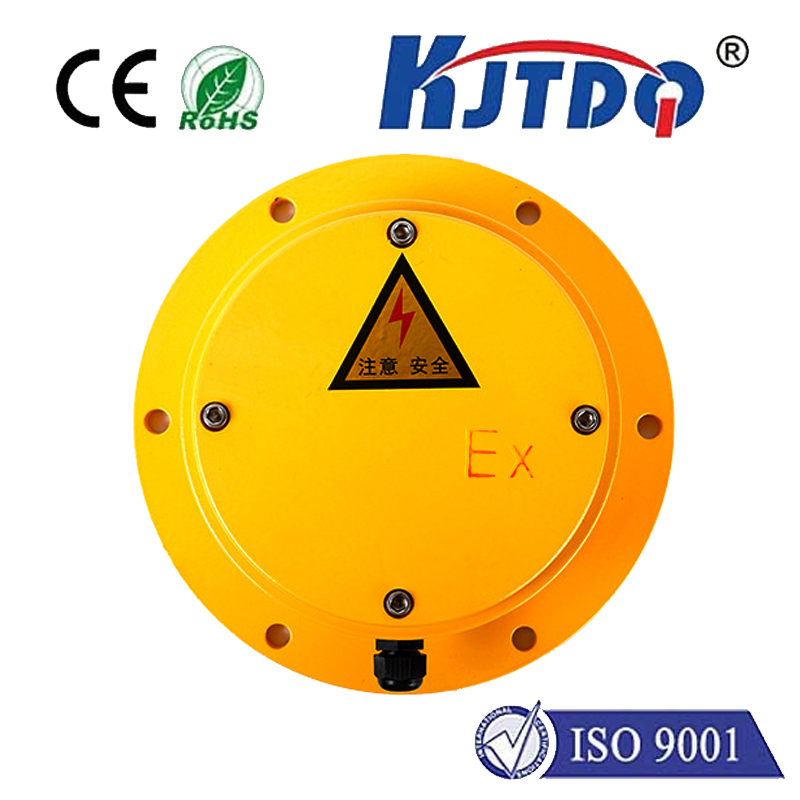
What sets the HL-5072 model apart are its specific design features tailored for harsh industrial environments. Constructed with a heavy-duty, corrosion-resistant enclosure, often meeting IP65 or higher ratings, it is protected against dust, moisture, and physical impacts. The internal components are designed for high mechanical life and reliable switching, even in environments with significant vibration. Many models feature a dual-action mechanism: the switch must be manually reset after being activated, ensuring the cause of the stoppage is investigated and resolved before operations resume. This "lock-out" feature is a fundamental safety protocol. Visibility is another key aspect; most HL-5072 switches are equipped with highly visible, color-coded flags or indicators that clearly show whether the switch is in its normal "run" position or has been tripped to the "stop" position, aiding in quick fault identification from a distance.
The application scope for the HL-5072 Pull Cord Switch extends across numerous industries. It is indispensable in mining operations, where long-haul conveyors transport bulk materials. In aggregate and cement plants, it safeguards processes involving crushing and screening. Ports and terminals rely on these switches for ship loading and unloading conveyors. Furthermore, they are essential in packaging lines, warehouse distribution centers, and any facility employing extended conveyor systems. Compliance with international safety standards, such as ISO 13850 (Safety of machinery — Emergency stop function — Principles for design) and various regional machinery directives, is a core attribute of well-designed pull cord switches like the HL-5072, making them a compliant choice for global operations.
Proper installation and diligent maintenance are crucial to ensure the HL-5072 performs its life-saving role reliably. Installation must follow manufacturer guidelines, ensuring correct tension on the pull wire and proper alignment. The pull cord should be within easy reach of any operator, typically at a recommended height and with adequate slack for quick grasping. Regular testing schedules are mandatory. This involves manually pulling the cord at different stations to verify the conveyor stops immediately and the indicator changes state. Maintenance checks should include inspecting the cable for wear or damage, ensuring the enclosure seal is intact, and verifying the mechanical action and electrical contacts are clean and functional. A well-maintained pull cord switch system is not just a regulatory requirement; it is a cornerstone of a proactive safety culture.
While technology advances with integrated sensor-based monitoring systems, the HL-5072 Pull Cord Switch remains a fundamental, physically accessible, and intuitively operated safety device. Its simplicity is its greatest strength, requiring no complex training to use during a high-stress emergency. It serves as a direct, unambiguous link between human intervention and machine control. For engineers, facility managers, and safety officers, specifying and maintaining the HL-5072 is a direct investment in operational integrity and human welfare. It embodies the principle that the safest systems are those with clear, immediate, and reliable means for human intervention, making it an enduring and essential component in the landscape of industrial safety.