In the demanding world of industrial automation and material handling, safety is not just a priority; it's an absolute necessity. Conveyor systems, the lifelines of factories, warehouses, and processing plants, require fail-safe mechanisms to protect personnel and equipment from potential hazards. This is where the ZNBH-KG-2-11 pull cord switch emerges as a critical and reliable component in any comprehensive safety strategy. Designed for durability and immediate response, this emergency stop device ensures operations can be halted instantly from any point along the conveyor line.
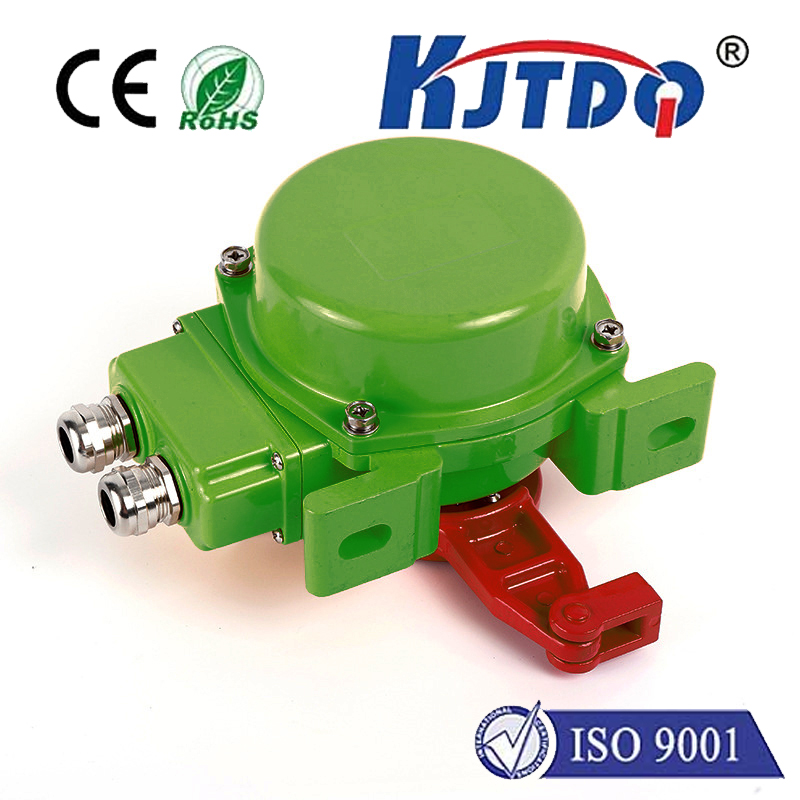
The core function of the ZNBH-KG-2-11 pull cord switch, often referred to as a rope pull switch or emergency stop switch, is straightforward yet vital. It consists of a rugged housing containing a switching mechanism, connected to a steel wire rope that runs parallel to the conveyor belt. In the event of an emergency—such as a worker becoming entangled, a spillage, or equipment malfunction—any person can pull the cord from either side. This action immediately triggers the switch, sending a stop signal to the conveyor's motor control circuit, bringing the entire system to a swift and complete halt. This instant response capability is crucial for preventing injuries, minimizing material damage, and avoiding costly production downtime.
What sets the ZNBH-KG-2-11 model apart is its robust construction tailored for harsh industrial environments. The enclosure is typically made from high-grade, corrosion-resistant materials like die-cast aluminum or reinforced plastic, offering protection against dust, moisture, and mechanical impact. Its design often meets stringent international protection ratings, such as IP65 or higher, ensuring reliable operation even in areas with significant dust or water spray. The internal switching mechanism is built for longevity, capable of handling millions of operations with consistent performance. Many models feature a highly visible, brightly colored actuator or flag that clearly indicates the "tripped" state, allowing for quick visual identification of the emergency location after an activation.
Installation and maintenance of the ZNBH-KG-2-11 pull cord switch are engineered for simplicity and efficiency. The switch is mounted at a strategic point along the conveyor, and the steel cable is run through a series of guide brackets installed at regular intervals, ensuring the cord remains accessible and taut along the entire length of the run. A key operational feature is the "manual reset" function. After the emergency has been addressed and it is safe to resume operations, the switch must be manually reset by an authorized operator. This deliberate reset procedure prevents the conveyor from being restarted accidentally before the hazardous situation is fully resolved, adding an essential layer of safety protocol. Regular functional testing, as simple as pulling the cord at different points to verify the stop signal is triggered, is recommended to ensure the system's readiness.
Beyond basic emergency stopping, modern iterations of the ZNBH-KG-2-11 can integrate with broader Plant Safety and Control Systems. They can be equipped with dual-channel, positively driven contacts compatible with safety relays and programmable logic controllers (PLCs). This integration allows for sophisticated monitoring, enabling the system to distinguish between a genuine emergency stop and a wire breakage, and providing diagnostic feedback to control rooms. This connectivity is vital for complex, automated facilities aiming for higher Safety Integrity Levels (SIL) as per international standards like IEC 62061.
Choosing the right safety component is a decision that impacts operational integrity. The ZNBH-KG-2-11 pull cord switch represents a proven solution, balancing immediate safety response with industrial-grade durability. Its application spans industries from mining and aggregate processing to packaging, food and beverage, and airport baggage handling. For engineers, facility managers, and safety officers, implementing such a device is a clear demonstration of a commitment to creating a secure working environment. It acts as a simple, physical safeguard—a last line of defense that empowers every worker on the floor to take immediate action to protect themselves and their colleagues, ensuring that productivity never comes at the expense of personnel safety.