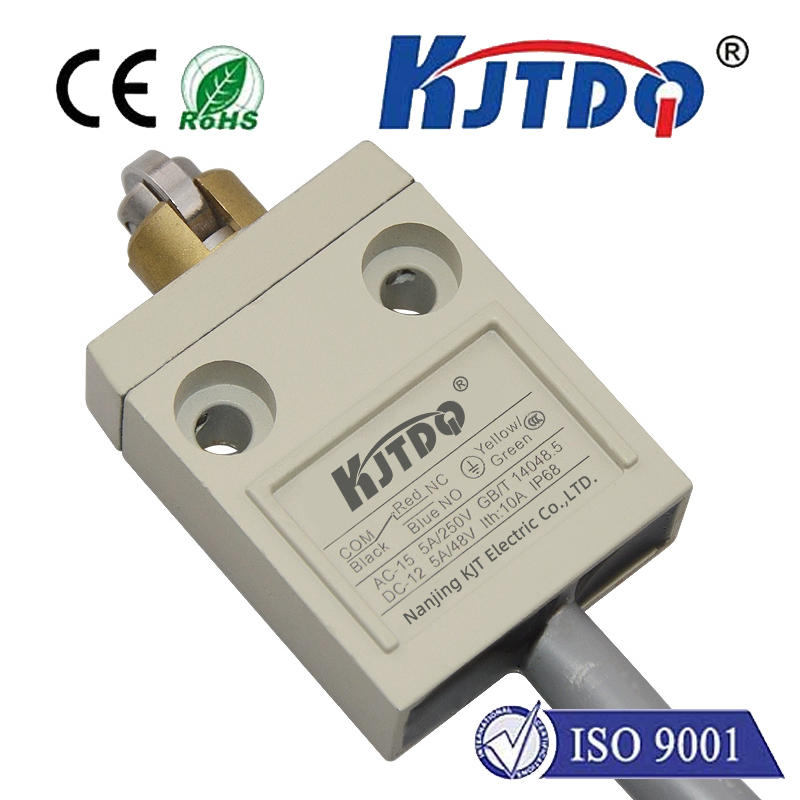
In industrial environments where safety is paramount, the 440E-L13137 pull cord switch stands as a critical component in emergency stop systems. This robust safety device is engineered to provide a reliable and immediate means of halting conveyor belts, processing lines, and other machinery in the event of an emergency, preventing potential injuries and equipment damage.
The fundamental operation of a pull cord switch is elegantly simple yet highly effective. Installed along the length of a conveyor or machine, it features a prominently accessible pull cord or cable. In an emergency, any operator along the line can quickly pull this cord. This action mechanically actuates the switch, instantly breaking the electrical control circuit and sending a stop signal to the motor starter or control system. This "fail-safe" design ensures that the machinery stops even in the event of a power loss to the switch itself. The 440E-L13137 model is specifically designed for durability in harsh conditions, often featuring a heavy-duty enclosure rated for dust and moisture, corrosion-resistant components, and a highly visible actuator for easy identification.
The importance of such devices cannot be overstated in sectors like mining, aggregate processing, packaging, and material handling. Conveyors, while essential, present significant entanglement and pinch-point hazards. A strategically placed pull cord switch at regular intervals—typically every 20-30 meters—ensures that an operator is never far from an emergency stop, a principle often mandated by safety regulations like OSHA, MSHA, and various international standards. The 440E-L13137 is designed to meet these rigorous requirements, providing a dependable last line of defense.
Beyond basic functionality, advanced models like the 440E-L13137 offer features that enhance safety and maintenance. Many incorporate a manual reset mechanism. After the cord is pulled and the system stops, the switch must be manually reset on-site before operations can restart. This prevents accidental or remote reactivation, forcing a physical inspection of the area to resolve the emergency condition. Some versions also include dual contacts (one normally open, one normally closed) for flexible integration into diverse control logic systems, and status indication lamps to show the operational state at a glance.
Proper installation, testing, and maintenance are crucial for ensuring the ongoing reliability of any pull cord switch. The pull cord should be installed at a consistent, accessible height, with sufficient slack to allow for easy pulling but not so much that it becomes a snag hazard. The entire emergency stop system, including every pull cord switch, should be tested regularly according to a documented schedule to verify its immediate functionality. Maintenance involves checking for cord integrity, ensuring the switch mechanism operates freely without binding, and verifying the security of electrical connections.
Choosing the right pull cord switch involves evaluating several factors. The environmental conditions—presence of dust, moisture, explosive atmospheres, or extreme temperatures—dictate the required ingress protection (IP) and material ratings. The electrical specifications, such as voltage, current rating, and contact configuration, must match the control circuit. Mechanical considerations include the required pull force and the switch's mechanical life expectancy. The 440E-L13137 series is developed to answer these demands, offering a balance of robustness, reliability, and compliance.
In conclusion, the 440E-L13137 pull cord switch is more than just a component; it is a vital investment in workplace safety and operational integrity. By providing a simple, direct, and reliable method for emergency intervention, it protects personnel, minimizes downtime from incidents, and helps companies uphold their safety commitments. Integrating such certified and well-engineered safety devices into industrial machinery is a non-negotiable aspect of responsible and sustainable operations.