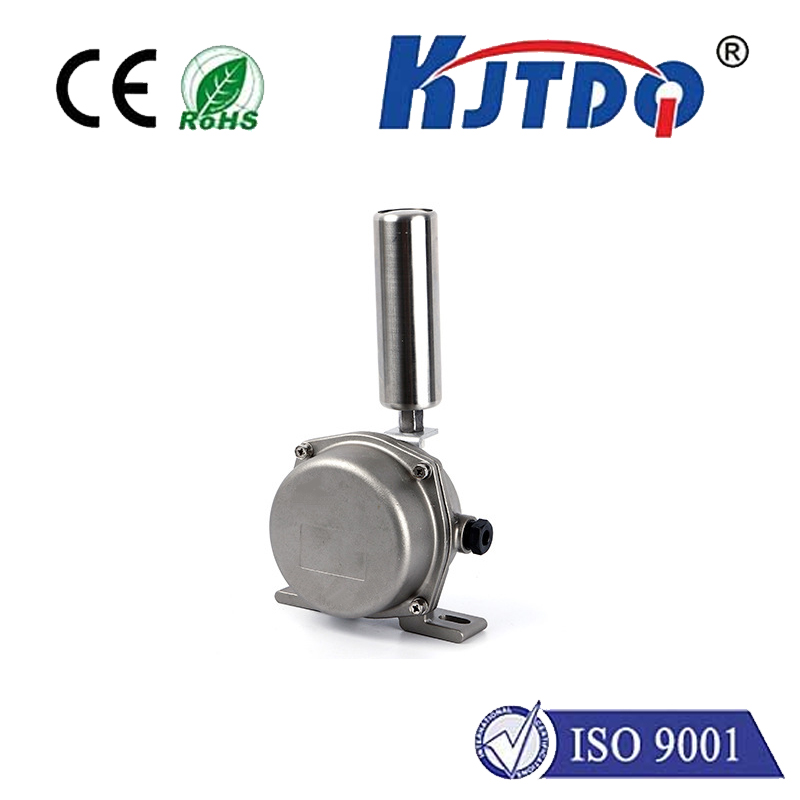
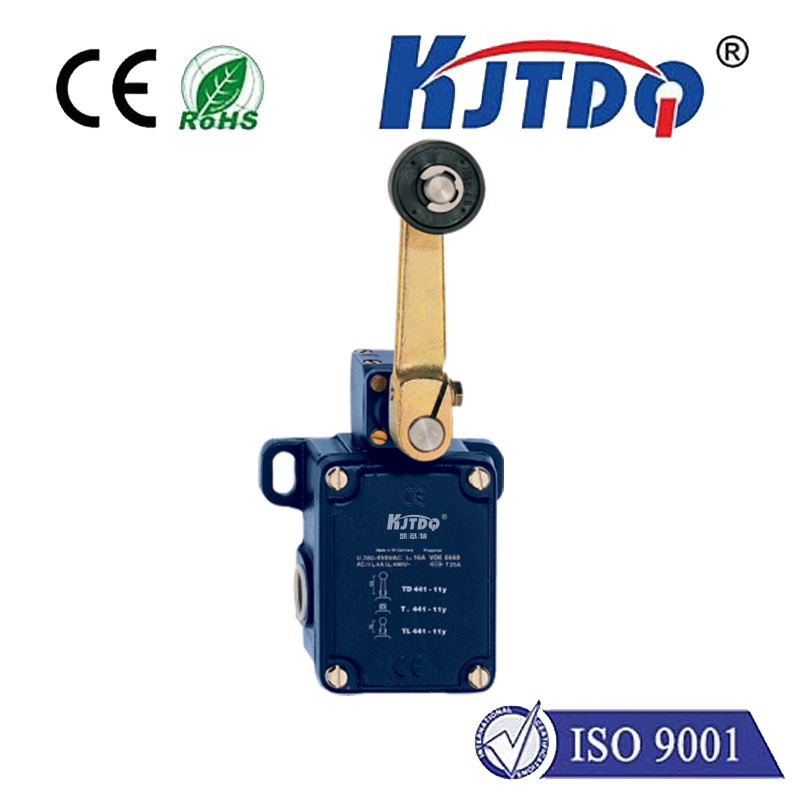
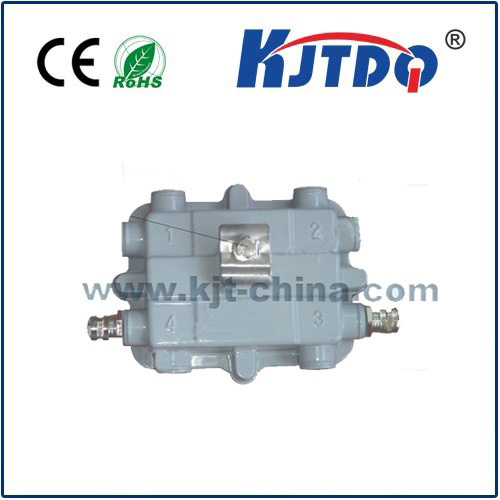
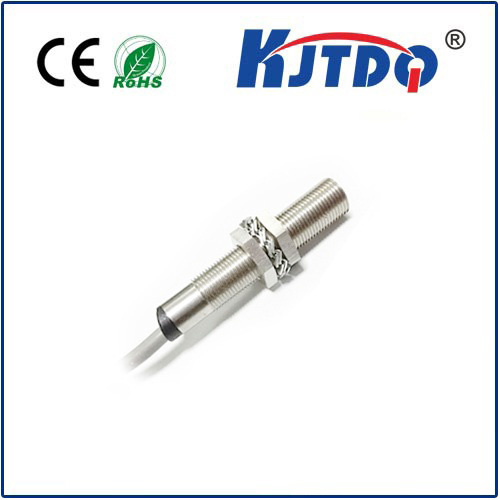
In industrial environments where conveyor belts are the lifeline of material handling, operational safety is non-negotiable. The ZGLS-LX-Z pull cord switch emerges as a critical component in this safety ecosystem, designed to provide an immediate and reliable emergency stop function. This robust device is engineered to protect personnel, prevent equipment damage, and minimize costly downtime, making it an indispensable asset for factories, mining operations, and logistics hubs worldwide.
The fundamental principle of the ZGLS-LX-Z is elegantly simple yet profoundly effective. Installed along the length of a conveyor belt, typically on both sides, it features a prominently accessible pull cord or cable. In the event of an emergency—such as a worker entanglement, material spillage, or equipment malfunction—any person along the belt can instantly actuate the switch by pulling the cord. This action triggers an immediate shutdown of the conveyor system, halting all motion and preventing a potential incident from escalating into a serious accident. The "LX" designation often indicates a specific series known for enhanced durability and specific operational features tailored for harsh conditions.
What sets the ZGLS-LX-Z apart is its rugged construction. Built to withstand the rigors of industrial settings, it commonly features a heavy-duty, corrosion-resistant enclosure (often IP67 rated for dust and water ingress protection). The internal mechanism is designed for high reliability, with gold-plated contacts or similar quality components to ensure a positive electrical break or make, even after long periods of inactivity. This fail-safe design is paramount; the switch defaults to a "stop" state if the cord is pulled, cut, or suffers excessive slack, ensuring safety is never compromised. Many models also include a manual reset function, which requires an operator to physically reset the switch at the location of the activation. This prevents unauthorized or remote restarting, forcing a safety inspection of the incident area before operations can resume.
The versatility of the ZGLS-LX-Z pull cord switch is another key strength. It is compatible with a wide range of conveyor types and lengths. Multiple switches can be wired in series along a single, extended conveyor line, creating a continuous emergency stop network. Its output is typically integrated into the conveyor's main control circuit or a dedicated safety relay system. Furthermore, modern iterations may include auxiliary contacts that can send signals to centralized control panels or SCADA systems, providing immediate alert notifications and pinpointing the activation zone for faster response.
Beyond basic emergency stopping, the implementation of the ZGLS-LX-Z is a cornerstone of compliance with stringent international safety standards such as ISO 13850 (Safety of machinery — Emergency stop function — Principles for design) and various regional occupational health and safety regulations. Its use demonstrates a proactive commitment to creating a "Safety First" culture on the plant floor. Regular testing and maintenance of these switches are as crucial as their installation. Best practices involve scheduled functional tests to verify the mechanical action and electrical response, along with visual inspections for cord integrity, housing damage, and clear access pathways.
For facility managers and safety engineers, selecting the right emergency stop device is a decision with direct implications for human safety and operational integrity. The ZGLS-LX-Z pull cord switch represents a mature, proven technology that delivers unambiguous performance. It empowers every worker on the line with the direct ability to safeguard themselves and their colleagues. In the complex, automated landscape of modern industry, such a simple, physical, and immediate safety interface remains irreplaceable. Investing in high-quality safety components like the ZGLS-LX-Z is not merely a regulatory checkbox; it is a fundamental investment in asset protection, operational continuity, and, most importantly, human well-being.