In the demanding world of industrial automation and material handling, safety and operational continuity are paramount. The SKY-XL-C-R Pull Cord Switch stands as a critical component in this ecosystem, designed to provide an immediate and reliable emergency stop function for conveyor systems and other long machinery. This robust device is engineered to prevent accidents, protect equipment, and minimize costly downtime, making it an indispensable safety solution for mines, quarries, power plants, and bulk handling facilities worldwide.
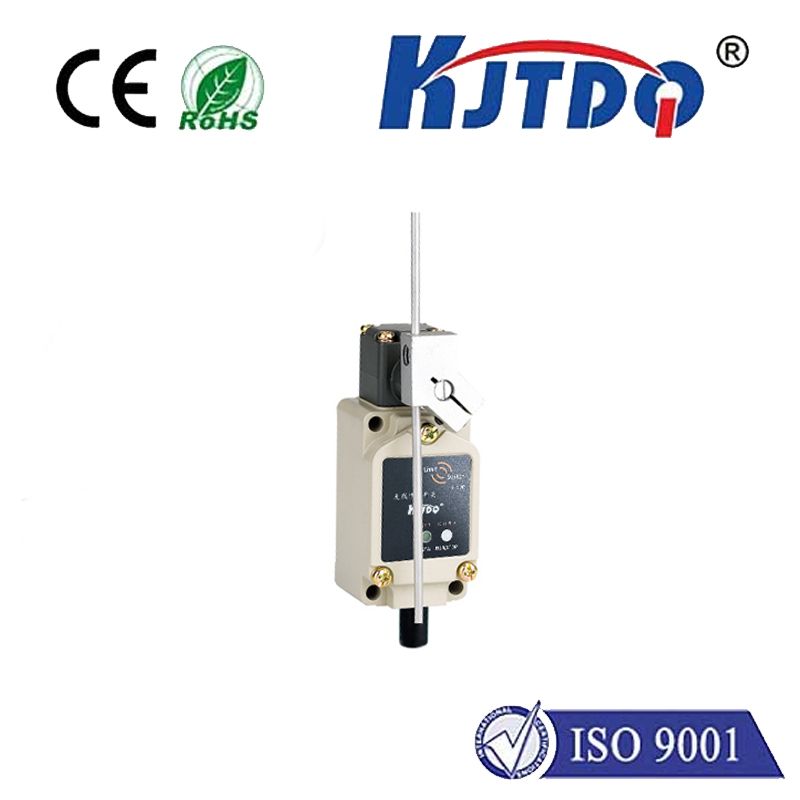
The fundamental principle of the SKY-XL-C-R is elegantly simple yet highly effective. Installed along the length of a conveyor belt, typically at intervals of 20 to 30 meters, the switch is connected to a steel wire rope (the pull cord) that runs parallel to the conveyor. In the event of an emergency—such as a material spill, belt misalignment, or a worker in danger—any person at any point along the line can quickly pull this cord. This action mechanically actuates the switch, instantly cutting power to the conveyor drive motor and bringing the entire system to a halt. This "fail-safe" operation ensures that the response is direct, mechanical, and independent of complex control systems, guaranteeing a high level of reliability.
What sets the SKY-XL-C-R apart is its rugged construction and thoughtful design features tailored for harsh industrial environments. The housing is typically crafted from heavy-duty, corrosion-resistant materials like cast aluminum or stainless steel, offering protection against dust, moisture, and physical impact. Its design often includes a clearly visible flag indicator, which changes position when the switch is activated. This visual signal allows maintenance personnel to quickly identify which specific switch along the line was triggered, drastically reducing troubleshooting time after an emergency stop or during routine checks.
A key operational feature is its manual reset mechanism. After an emergency stop, the SKY-XL-C-R cannot be reset remotely or automatically. An operator must physically go to the location of the activated switch, assess the situation, and manually reset it. This crucial safety step prevents accidental or premature restarts, ensuring that the cause of the stoppage is fully addressed before operations resume. Furthermore, many models are designed for easy installation and adjustment, with options for various actuation force settings and different types of cable tensioners to suit specific layout requirements.
Beyond basic emergency stopping, modern iterations of pull cord switches like the SKY-XL-C-R often integrate seamlessly with broader plant control and monitoring systems. They can provide discrete signals to Programmable Logic Controllers (PLCs) or SCADA systems, logging emergency events for operational analysis and safety audits. This connectivity transforms the switch from a standalone safety device into a smart node within the industrial Internet of Things (IIoT), contributing to predictive maintenance strategies and overall operational intelligence.
Regular inspection and maintenance are vital to ensure the SKY-XL-C-R performs flawlessly when needed. This includes checking the pull cord for proper tension and freedom of movement, verifying the mechanical action of the switch, ensuring the housing seal is intact, and testing the electrical contacts. A well-maintained pull cord switch system is a cornerstone of any comprehensive workplace safety protocol, demonstrating a commitment to protecting both personnel and capital investment.
In conclusion, the SKY-XL-C-R Pull Cord Switch embodies a perfect synergy of simple mechanical reliability and essential safety function. It serves as a vigilant guardian along kilometers of moving machinery, offering a last line of defense that is both immediately accessible to operators and incredibly dependable. For engineers and safety managers specifying equipment for bulk material transport or long automated lines, choosing a robust and certified pull cord switch like the SKY-XL-C-R is not just a technical decision—it's a fundamental responsibility towards creating a safer, more efficient, and more resilient industrial operation.