In the bustling world of industrial automation and material handling, conveyor systems are the lifelines that keep operations flowing. However, with continuous motion comes inherent risk. The HBSD-A-56 Pull Cord Switch emerges as a non-negotiable safety component, designed to provide an immediate and reliable means of stopping a conveyor belt in the event of an emergency or operational fault. This device is not merely an accessory; it is a critical safeguard for personnel, equipment, and productivity.
The core function of the HBSD-A-56 is elegantly simple yet profoundly important. Installed along the length of a conveyor, typically on both sides, it features a prominently accessible pull cord or cable. In any situation where danger arises—be it a worker becoming entangled, a material jam, a fire, or any other hazardous condition—any person along the belt's path can instantly actuate the switch by pulling the cord. This action triggers a switch mechanism that cuts power to the conveyor drive motor, bringing the entire system to a swift and complete halt. This immediate stop function is vital for preventing injuries, minimizing equipment damage, and containing potential incidents before they escalate.
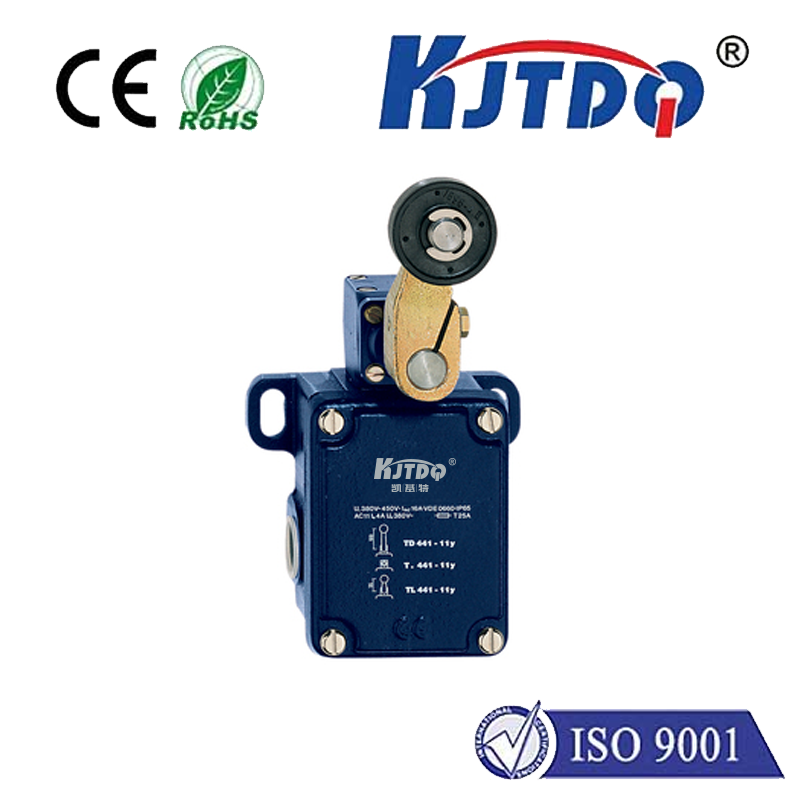
What sets the HBSD-A-56 model apart are its robust construction and reliability features tailored for harsh industrial environments. Engineered with a durable, corrosion-resistant housing, it withstands exposure to dust, moisture, vibration, and extreme temperatures commonly found in mining, quarrying, cement plants, and bulk shipping terminals. The internal switching mechanism is designed for high precision and longevity, ensuring consistent performance over millions of cycles. Many models offer a dual-action mechanism: the switch remains in the tripped ("stop") position until manually reset after the emergency has been safely addressed. This "lock-out" feature prevents accidental or premature restarting, a key safety protocol.
Installation and maintenance are straightforward, contributing to its widespread adoption. The switch is mounted at strategic intervals along the conveyor, ensuring that a pull cord is always within easy reach of any operator, typically not exceeding 20-30 meters between stations. The cable itself is tensioned appropriately to allow for smooth operation while being sensitive enough to activate from any point along its length. Regular testing, as simple as pulling the cord during pre-shift checks, verifies operational readiness and reinforces a culture of safety among the workforce.
Beyond emergency stops, the HBSD-A-56 integrates seamlessly into broader plant control and monitoring systems. Its status (normal or tripped) can be wired into a central Programmable Logic Controller (PLC) or supervisory system, providing operators with immediate visual and audible alerts pinpointing the trip location. This rapid diagnostics capability drastically reduces downtime by allowing maintenance teams to respond directly to the problem zone rather than inspecting the entire conveyor line.
The implications of deploying a reliable pull cord switch like the HBSD-A-56 extend far beyond compliance with OSHA, MSHA, or other international safety regulations, though it certainly fulfills those critical requirements. It represents a tangible commitment to workplace safety, protecting the most valuable asset: people. It also safeguards capital investment by preventing catastrophic damage to expensive conveyor belts, drives, and structures from overloads or blockages. Furthermore, by enabling a faster, more controlled response to issues, it contributes to overall operational efficiency and reduced loss from spillage or product damage.
In conclusion, the HBSD-A-56 Pull Cord Switch is a paradigm of effective safety engineering—simple in concept, rugged in execution, and indispensable in function. In the dynamic and demanding environments where conveyor systems operate, it stands as a silent, vigilant guardian. Its presence ensures that the power of automation can be harnessed productively while maintaining an unwavering priority on human safety and system integrity. For any operation relying on conveyor technology, specifying and maintaining high-quality emergency stop devices like the HBSD-A-56 is not just a best practice; it is a fundamental responsibility.