In the demanding world of industrial material handling, conveyor belt systems are the lifelines of operations. Their continuous, reliable function is paramount, but so is the safety of the personnel working around them. Emergencies can occur in an instant—a material jam, equipment entanglement, or a personnel hazard. In these critical moments, every second counts, and the ability to stop the conveyor immediately from any point along its length is not just a feature; it's a lifesaving necessity. This is where the YH-TP-15/30D Pull Cord Switch, a cornerstone product from KJTDQ, proves its indispensable value.
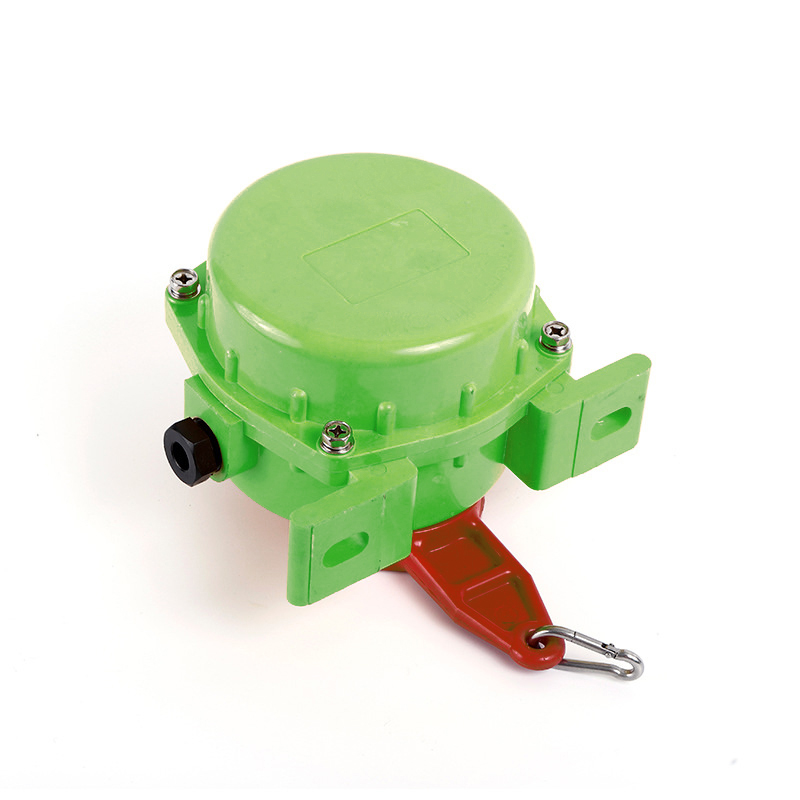
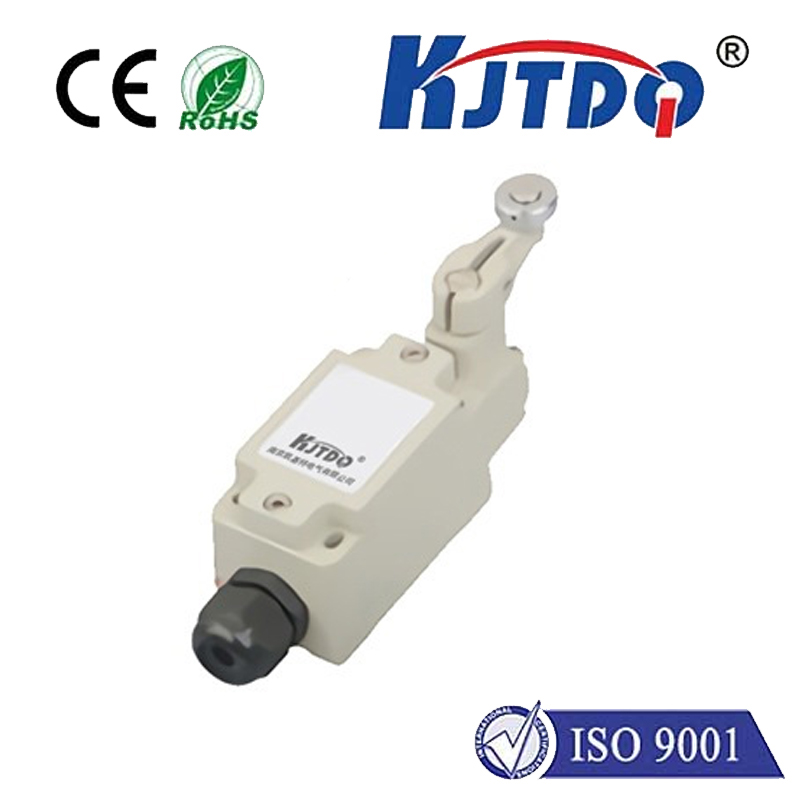
The YH-TP-15/30D is engineered as a robust, fail-safe emergency stop device. Installed at regular intervals along both sides of a conveyor belt, it consists of a weather-resistant and impact-resistant housing containing a precision switching mechanism. A durable steel wire rope, the "pull cord," runs the entire length of the conveyor, connected to the actuator of each switch unit. In an emergency, any personnel can simply pull this cord from anywhere along the line. This action triggers the internal switch to instantly change state, sending a stop signal directly to the conveyor's motor control circuit, bringing the entire system to a halt. This simple, intuitive operation requires minimal training and works under the most stressful conditions, providing a reliable and accessible safety measure for all workers.
What sets the KJTDQ YH-TP-15/30D apart in a crowded market is its exceptional design and construction focused on longevity and reliability. The housing is typically made from high-grade aluminum or reinforced polyester, offering excellent corrosion resistance against dust, moisture, and chemical exposure common in mining, aggregate, cement, and port facilities. The internal switching mechanism is designed for high precision and millions of actuations, ensuring consistent performance over years of service. Many models feature a manual reset function, requiring an operator to physically reset the switch at the location of the pull. This prevents an accidental or automatic restart, allowing for a safe investigation and clearance of the fault that triggered the stop—a critical safety protocol.
Furthermore, the YH-TP-15/30D model often incorporates a highly visible indicator flag. When the cord is pulled, this flag changes position (e.g., from vertical to horizontal), providing immediate visual confirmation of the exact switch that was activated. This drastically reduces troubleshooting time, helping maintenance teams quickly locate the incident area. The design also usually includes a tension adjustment for the pull cord, ensuring it remains taut and responsive along the entire conveyor run, even as the cable stretches slightly over time.
Integration into modern automated systems is seamless. The switch provides a clear dry contact signal that interfaces directly with PLCs (Programmable Logic Controllers) or safety relays. This allows not only for the immediate stoppage of the conveyor but can also be integrated into broader plant alarm systems, logging the event for operational and safety audits. Compliance with international safety standards is a key consideration, and products like the YH-TP-15/30D are designed to meet rigorous requirements, providing peace of mind to facility managers and safety officers.
Beyond emergency stops, the consistent pull offered by these switches makes them suitable for use as a "run" cord for starting sequences in certain configurations or as a general safety tripwire in other industrial applications. Their versatility underscores their fundamental role in operational safety planning.
For any industry reliant on conveyor systems, overlooking the importance of a reliable emergency stop system is an untenable risk. The KJTDQ YH-TP-15/30D Pull Cord Switch represents more than just a component; it is a proactive commitment to workplace safety, asset protection, and operational integrity. It embodies the principle that the simplest, most robust solutions are often the most effective in preventing accidents and saving lives. Investing in such certified, high-quality safety devices is not an operational cost but a foundational investment in human capital and sustainable productivity.