Проверка
Проверка
Проверка
Проверка
Проверка
Проверка
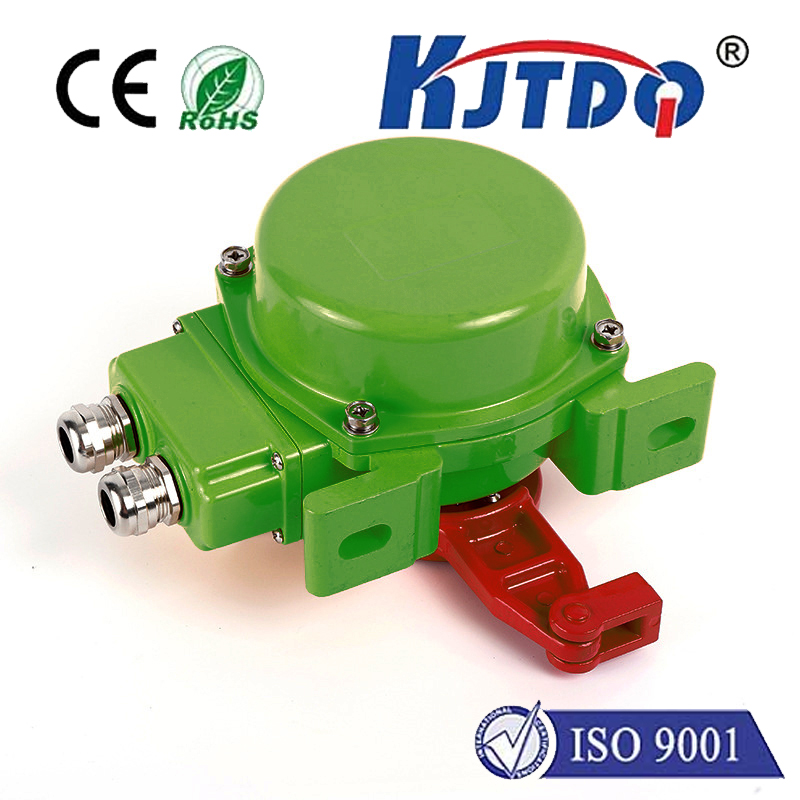
In the demanding landscape of industrial automation and machinery control, the reliability of safety components is non-negotiable. The DLX-J25 Pull Cord Switch emerges as a critical safeguard, designed to provide an immediate and fail-safe method for stopping conveyor belts and other long-reach machinery in emergency situations. This device is not merely an accessory but a fundamental pillar of operational safety protocols, engineered to protect personnel, prevent equipment damage, and minimize costly downtime.
The core function of the DLX-J25 is elegantly straightforward yet profoundly effective. Installed along the length of a conveyor system, it features a prominently accessible pull cord. In the event of an emergency—such as a material spillage, a personnel slip, or a machinery jam—any operator along the line can instantly actuate the switch by pulling the cord. This action triggers a rapid shutdown signal, bringing the entire connected system to an immediate halt. This manual override capability is crucial, as it provides a direct and unambiguous human intervention point, independent of automated control systems that may fail or be delayed.
What sets the DLX-J25 apart in the market is its robust construction tailored for harsh industrial environments. Typically housed in a durable, corrosion-resistant enclosure, it is built to withstand exposure to dust, moisture, vibration, and extreme temperatures commonly found in mining, quarrying, aggregate processing, and bulk material handling plants. The internal switching mechanism is designed for high reliability and long service life, often featuring a positive break action that ensures electrical contacts open decisively upon activation, guaranteeing the safety signal is transmitted without fault. Many models also include a manual reset function, requiring an operator to physically reset the switch at the location of the pull, which prevents accidental or remote restarting before the emergency situation has been fully addressed.
Beyond its primary safety role, the strategic implementation of the DLX-J25 Pull Cord Switch contributes significantly to operational efficiency. By preventing minor incidents from escalating into major equipment failures or prolonged stoppages, it helps maintain smoother production flows. The quick response it enables reduces the scope of potential damage, leading to faster recovery times and lower repair costs. Furthermore, its presence is a visible commitment to workplace safety, which can enhance operator confidence and adherence to safety procedures. For facility managers and engineers, selecting a switch like the DLX-J25 involves evaluating key specifications such as switching capacity, enclosure rating (commonly IP65 or higher for dust and water protection), mechanical lifespan, and compliance with relevant international safety standards.
Installation and maintenance are designed for practicality. The switches are typically mounted at regular, easily accessible intervals along the conveyor, with the pull cord running parallel to the belt. Regular testing, as part of a routine safety maintenance schedule, is essential to verify immediate operability. This involves simulating a pull action to confirm the switch activates and sends the correct stop command to the control system. Keeping the cord free from obstructions and ensuring the mechanism is clean from debris are simple yet vital upkeep tasks.
In conclusion, the DLX-J25 Pull Cord Switch represents a vital intersection of safety, reliability, and practical engineering. It serves as a silent guardian on the production floor, empowering personnel with a simple, physical means to assert control during critical moments. For industries where conveyor systems are the lifeline of material movement, integrating a dependable safety component like the DLX-J25 is not just a regulatory or compliance step; it is a foundational investment in human safety, asset protection, and sustained operational integrity. Its role underscores a fundamental principle: the most effective safety systems are those that are robust, intuitive, and always within reach.