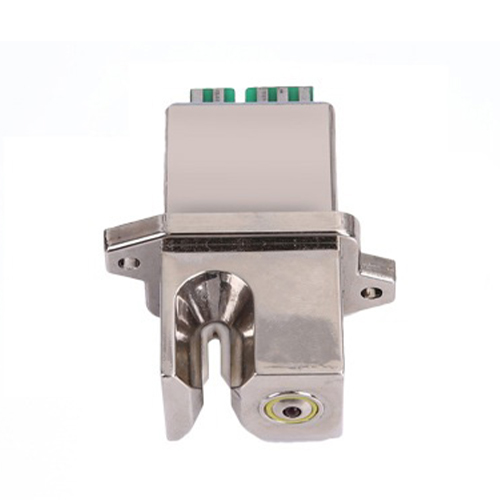
In the fast-paced world of industrial automation and material handling, conveyor systems are the backbone of efficient operations. However, their continuous motion and extensive length present significant safety challenges. A single point of failure or an operator in distress along a lengthy conveyor belt can lead to catastrophic accidents. This is where the KWB-220L Pull Cord Switch, often referred to as an emergency stop switch or a rope pull switch, proves to be an indispensable guardian of workplace safety. It serves as a critical, manually activated safety device designed to halt conveyor operation immediately from any point along its path, ensuring the protection of both personnel and equipment.
The core function of the KWB-220L is elegantly simple yet profoundly effective. A robust steel wire rope, the "pull cord," runs parallel to the entire length of the conveyor. This cord is connected to a series of strategically placed switch units. In an emergency—whether a worker's clothing gets caught, a blockage occurs, or any hazardous situation arises—any person can quickly pull this cord. This action mechanically triggers the switch, sending an immediate stop signal to the conveyor's motor control circuit. The system halts instantly, preventing potential injury or damage. The "220L" designation often relates to specific operational parameters like switching capacity or housing protection等级, making it suitable for demanding industrial environments characterized by dust, moisture, and vibration.
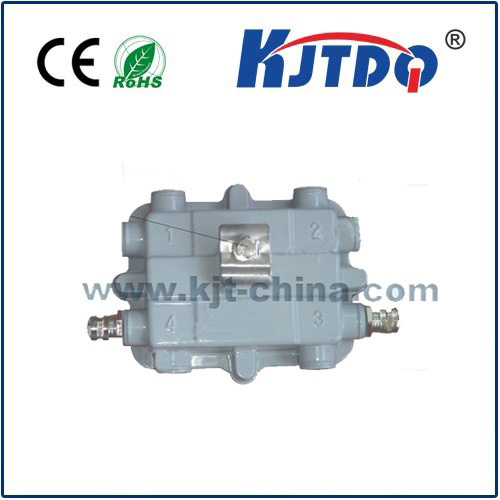
What sets the KWB-220L apart in the market is its unwavering commitment to reliability and durability. Constructed with a heavy-duty, corrosion-resistant enclosure, typically meeting IP65 or higher standards, it is built to withstand harsh conditions found in mining, quarrying, cement plants, and port logistics. The internal mechanism is designed for minimal maintenance and high mechanical life, often featuring a positive break action that ensures the safety circuit opens reliably upon activation. Many models come with a manual reset function, requiring an operator to physically reset the switch at the location of activation. This crucial feature prevents an accidental or unauthorized restart, allowing for a safe investigation of the incident that triggered the stop.
Installation and integration of the KWB-220L system are straightforward, contributing to its widespread adoption. The pull cord is tensioned and mounted along the conveyor's walkway, with switch units installed at regular intervals, usually every 30 to 50 meters, to ensure the cord can be reached from any location without excessive force. It integrates seamlessly with existing conveyor PLC (Programmable Logic Controller) or safety relay systems. Compliance with international safety standards, such as ISO 13850 (Safety of machinery — Emergency stop function — Principles for design) and various regional machinery directives, is a fundamental aspect of its design, providing plant managers and safety officers with certified peace of mind.
Beyond mere compliance, implementing the KWB-220L Pull Cord Switch represents a proactive investment in a company's most valuable asset: its people. It empowers every worker on the floor with the direct ability to control a dangerous situation, fostering a stronger culture of safety and shared responsibility. The cost of installing these systems is negligible compared to the potential financial and human costs of a serious conveyor-related accident, which can include medical expenses, equipment downtime, regulatory fines, and reputational damage.
In conclusion, for any operation relying on conveyor belts, the KWB-220L Pull Cord Switch is not an optional accessory but a fundamental safety necessity. Its robust design, fail-safe operation, and standards compliance make it the ultimate choice for engineers and safety professionals seeking to create a secure, responsive, and responsible working environment. By providing a simple, visible, and effective means of emergency intervention along the entire conveyor line, the KWB-220L stands as a silent sentinel, ensuring that productivity never comes at the expense of worker safety.