In the bustling world of industrial automation and material handling, conveyor systems are the arteries that keep operations flowing. Their continuous, often high-speed operation is crucial for productivity. However, this very efficiency introduces significant safety risks for personnel working in proximity. This is where a simple yet profoundly critical device comes into play: the pull cord switch. Specifically, the XTKS-20 model stands as a paramount example of reliability and safety engineering, designed to bring any moving conveyor to an immediate halt in an emergency.
Imagine a scenario where a worker's clothing gets caught, a blockage occurs, or an individual is in danger near the moving belt. The seconds it takes to reach a standard stop button could be the difference between a close call and a catastrophic incident. The XTKS-20 pull cord switch solves this problem by providing a "life line" of safety that runs the entire length of the conveyor. By simply pulling on the robust, accessible cable from any point along the system, the switch is activated, sending a stop signal directly to the conveyor's motor control circuit. This immediate and unambiguous action is its core value proposition.
The design and construction of the XTKS-20 are what set it apart in demanding industrial environments. It is typically housed in a rugged, corrosion-resistant enclosure, often meeting IP65 or higher ratings to withstand dust, moisture, and harsh weather conditions commonly found in mining, quarrying, aggregate, and packaging plants. The internal mechanism is built for durability, featuring a high-precision snap-action switch that ensures a positive and reliable operation every time the cord is pulled. Many models, including variants of the XTKS series, come with a manual reset function. After an emergency stop, the switch must be physically reset by an operator, preventing the conveyor from restarting automatically until the hazard has been clearly investigated and resolved. This feature is a fundamental safety protocol.
Installation and maintenance are straightforward. The switch is mounted at a strategic point along the conveyor frame, and the steel wire rope or nylon cord is run through pulley brackets installed at regular intervals, typically every 20-30 meters, ensuring the pull cord is always within easy reach. Regular testing is a non-negotiable part of operational safety. Personnel should be trained to perform routine functional tests, pulling the cord at different sections to verify the switch activates and the conveyor stops promptly. Visual inspections for cord damage, proper tension, and enclosure integrity are simple yet vital checks.
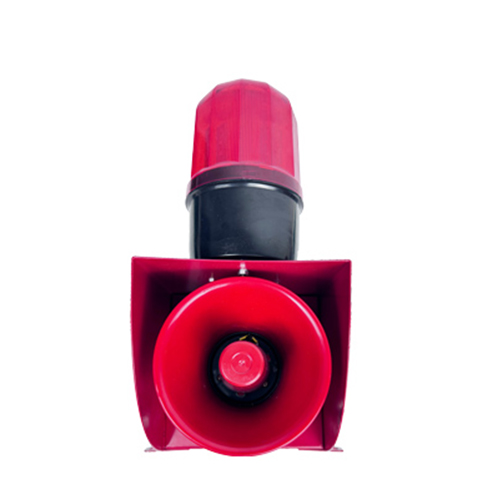
Beyond the basic emergency stop, modern iterations of pull cord switches like the XTKS-20 can integrate with broader safety and control systems. They can be connected to programmable logic controllers (PLCs) to not only stop the conveyor but also trigger alarms, illuminate warning lights, or even send alerts to a control room, providing a comprehensive safety response. This integration transforms them from isolated devices into key nodes within a plant-wide safety network.
Choosing the right safety device is not merely a compliance issue; it is a moral and operational imperative. Regulations such as OSHA in the United States, Machinery Directive in Europe, and similar standards globally mandate adequate emergency stopping devices for conveyor systems. The XTKS-20 pull cord switch helps companies not only meet these legal requirements but also foster a culture of safety. It demonstrates a tangible commitment to worker protection, which in turn can improve morale, reduce downtime associated with accidents, and protect valuable assets.
In conclusion, while conveyor systems drive modern industry forward, their safe operation hinges on dependable safeguards. The XTKS-20 pull cord switch is more than just a component; it is an essential safety guardian. Its robust design, fail-safe operation, and potential for system integration make it an indispensable investment for any operation relying on conveyor belts. Prioritizing such safety mechanisms ensures that the pursuit of efficiency never comes at the cost of human well-being.