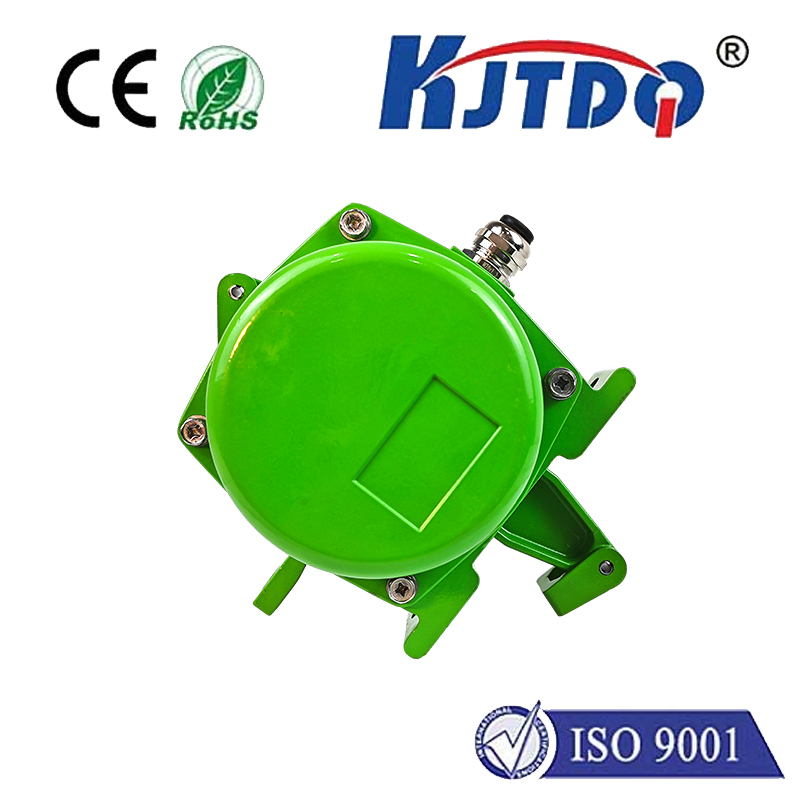
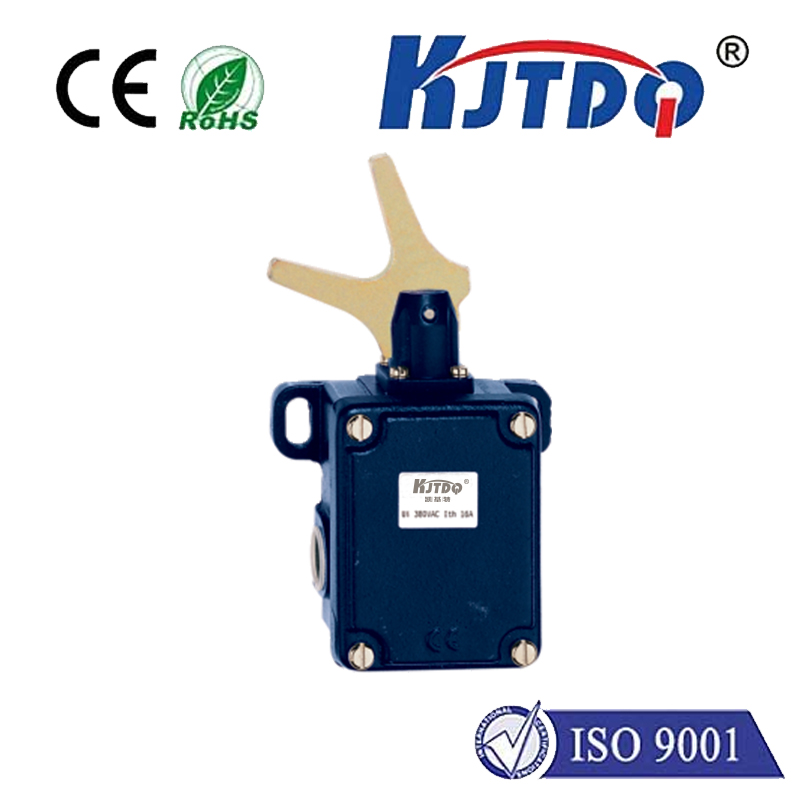
In the demanding world of industrial material handling, conveyor systems are the lifelines of production. Their continuous and efficient operation is paramount, yet the safety of personnel working around them is non-negotiable. This is where a simple, robust, and fail-safe device becomes critical: the emergency stop switch. Specifically designed for long conveyor runs, the YH-50/7-4 Pull Cord Switch from KJTDQ stands as a vigilant guardian, ensuring operational safety and compliance with the strictest international standards.
The core function of the YH-50/7-4 is straightforward yet vital. Installed along the length of a conveyor belt, it allows an operator to initiate an immediate shutdown of the system from any point by pulling a suspended cord. This "pull-and-stop" mechanism is the first line of defense in emergencies, such as equipment jams, material spillage, or when a worker's safety is compromised. The "YH-50/7-4" designation indicates a specific model built for durability, with features like a precise actuation force and a reliable switching mechanism rated for industrial environments.
What sets the KJTDQ YH-50/7-4 apart is its engineering focused on reliability and longevity. Industrial settings are harsh, characterized by dust, moisture, vibration, and extreme temperatures. This pull cord switch is typically housed in a rugged, corrosion-resistant enclosure, often meeting IP65 or higher ratings for protection against dust and water jets. Its internal components are designed to withstand mechanical stress, ensuring that the switch activates consistently when needed, without false triggers from routine vibration. The pull cord itself is made from high-strength, weather-resistant material, capable of spanning long distances along the conveyor structure.
Beyond the emergency function, modern iterations of such switches offer enhanced features for system monitoring and control. The YH-50/7-4 can be configured with dual contacts, providing not only an emergency stop signal but also a separate status indication for control panels. This allows for sophisticated monitoring, distinguishing between a normal stop command and an emergency pull-cord activation, thereby aiding in faster diagnostics and root cause analysis after a shutdown. Its design often includes a manual reset mechanism, which requires an operator to physically reset the switch at the location of the activation. This safety feature prevents an unattended or automatic restart, ensuring the issue is addressed before operations resume.
Installation and maintenance are key considerations for any industrial component. The YH-50/7-4 is designed for straightforward mounting on conveyor support structures. Clear guidelines for cord tension, spacing between switches, and proper alignment are crucial for optimal performance. Regular maintenance checks, though minimal, are essential. This involves inspecting the cord for wear or damage, verifying the smooth operation of the mechanical latch and reset mechanism, and testing the electrical contacts to ensure a positive switch action. KJTDQ provides comprehensive technical support and documentation to facilitate this process, ensuring the safety system remains in peak condition.
Choosing the right safety component is a decision that impacts both operational integrity and regulatory compliance. The YH-50/7-4 Pull Cord Switch aligns with global safety directives for machinery. Implementing such devices is not merely about following rules; it's about fostering a culture of safety on the plant floor. It empowers every worker with the direct ability to halt dangerous situations, protecting both people and assets.
For facility managers, maintenance engineers, and safety officers, specifying a proven component like the KJTDQ YH-50/7-4 is a strategic investment. It minimizes downtime caused by accidents, reduces liability risks, and demonstrates a commitment to workforce welfare. In the complex ecosystem of industrial automation, this simple pull cord switch remains an indispensable and reliable sentinel, silently ensuring that productivity never comes at the cost of safety.